Ghee vs Clarified Butter vs Regular Butter: What's the Difference
Ghee and clarified butter are often confused for the same thing - here's the one extra step that actually separates them, and why it matters.
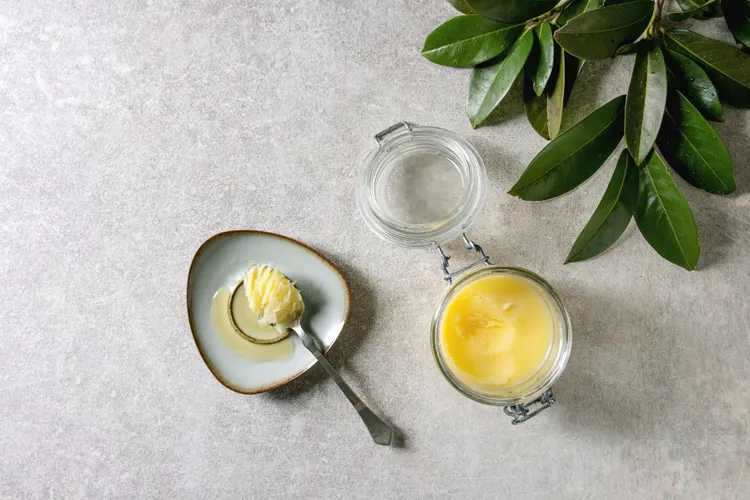
Ghee and clarified butter are often used interchangeably, but they're not quite the same thing - the difference comes down to one extra step, and that step is responsible for most of what makes ghee distinct.
Regular Butter
Butter is roughly 80% butterfat, with the remainder made up of water and milk solids (proteins and milk sugars). Those milk solids are what cause butter to burn relatively quickly at high heat and what require butter to be refrigerated to prevent spoilage.
Clarified Butter
Clarified butter is butter that's been gently melted and had the water and milk solids removed, leaving behind pure butterfat. The process stops as soon as the solids have separated and can be skimmed or strained out, without letting them brown or toast. The result is a clean, mild-tasting fat that's more heat-stable than regular butter, but tastes fairly similar to plain butter, just without the milk solids.
Ghee
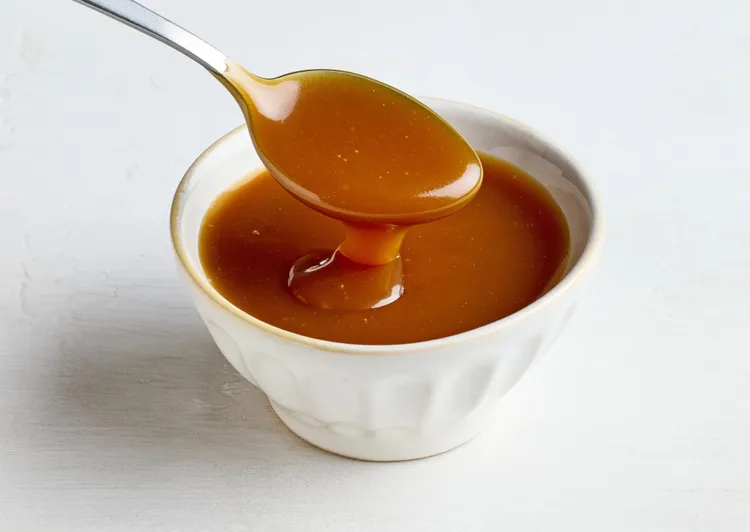
Ghee takes the same starting process as clarified butter, but continues cooking after the milk solids separate, allowing them to toast in the hot butterfat until they turn golden brown before being strained out. That toasting step is the entire difference - it develops a deep, nutty, almost caramelized flavor that clarified butter doesn't have, along with a noticeably deeper golden color. See our full ghee-making guide for exactly how this process works.
Side-by-Side Comparison
- Butter: Contains milk solids and water; needs refrigeration; lower smoke point; mild, creamy flavor.
- Clarified butter: Milk solids removed before browning; more heat-stable than butter; mild flavor, closer to plain butter than to ghee.
- Ghee: Milk solids removed after browning; most heat-stable of the three; deep, nutty, toasted flavor; doesn't require refrigeration when properly made and stored.
Can You Use Them Interchangeably?
Clarified butter and ghee can generally substitute for each other in terms of cooking performance, since both have similar smoke points and lack milk solids. The main difference you'll notice is flavor - ghee brings a nuttier, more pronounced taste, while clarified butter is milder and closer to plain melted butter. In a recipe where the fat is meant to be a neutral cooking medium, the swap barely matters; in a recipe like dal tadka, where ghee's specific flavor is part of the dish's identity, clarified butter is a noticeably flatter substitute.
Regular butter is not a direct substitute for either in high-heat applications, since its milk solids will burn well before ghee or clarified butter would even approach their much higher smoke points - see our smoke point guide for the specifics on why that matters.
Why the Distinction Matters
Beyond flavor, the distinction affects shelf life and storage. Clarified butter, while more stable than regular butter, doesn't have quite the same room-temperature shelf life that properly made ghee does, since ghee's more thorough removal of moisture (through the longer cooking process) makes it more resistant to spoilage. See our storage guide for more on why ghee specifically holds up so well without refrigeration.
Understanding this distinction is useful both for buying the right product at the store and for knowing what to expect if you decide to make your own. For everything else on cooking with ghee, see the complete ghee guide.
Latest