Gochugaru: The Korean Chili Flakes That Are Not Like Any Other Chili
The mild-spicy, faintly sweet, slightly smoky flakes that make kimchi taste like kimchi - and ten applications beyond the jar
Most chili flakes are interchangeable for most purposes - they provide heat in different intensities and that is broadly the extent of what distinguishes them. Gochugaru is not like other chili flakes. It is a specific ingredient with a specific flavour profile that produces a specific result in cooking - and no other chili replicates it.
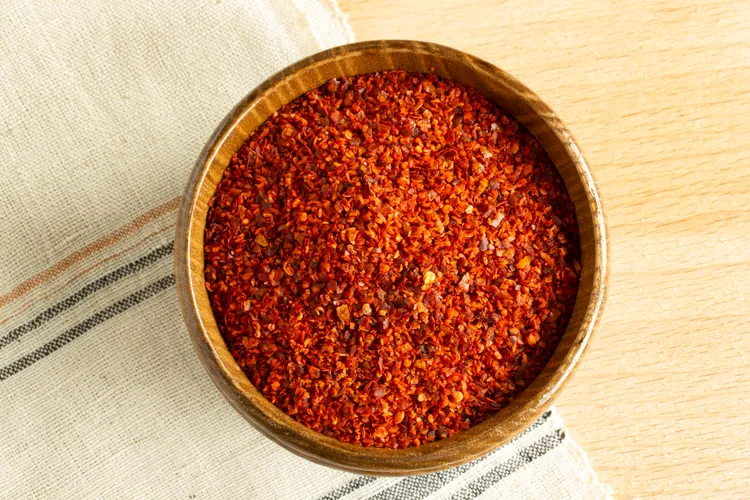
Korean red chili (capsicum annuum, grown primarily in Korea and China for Korean consumption) is harvested in autumn, sun-dried (the traditional method that develops the characteristic flavour), seeded, and ground to coarse or fine flakes with a distinctive dark red colour and a faintly oily texture. The flavour is: mildly spicy (significantly less hot than cayenne or standard chili flakes), slightly sweet (a specific natural sweetness in the dried pepper that other varieties don't have), and faintly smoky (from the sun-drying process, not from wood smoke - a subtler, more integrated smokiness than chipotle).
These three characteristics - mild heat, slight sweetness, gentle smoke - are what make gochugaru irreplaceable in kimchi, gochujang, tteokbokki, and the rest of Korean cooking. Substituting cayenne produces a hotter, flatter result. Substituting smoked paprika produces a smokier, completely different result. The specific flavour combination of gochugaru is its own thing, and the only way to achieve it is to use gochugaru specifically.
The Two Forms: Coarse vs. Fine
Gochugaru is available in two grind levels, which are used for different applications:
Coarse gochugaru (gulgeun gochugaru): The flakes are large and irregular, with visible seed fragments. This is the standard form for kimchi - the larger particles distribute through the cabbage and provide both visible colour and textural presence.
Fine gochugaru (gochu garu): Finely ground to almost a powder, similar in texture to paprika. Used for gochujang, for sauces where a smooth consistency is needed, and in dishes where visible flakes are not desired.
Many recipes simply call for "gochugaru" without specifying, meaning either form is acceptable. For kimchi: coarse. For gochujang: fine. For most other applications: either works.
Where to Buy
Asian grocery stores (Korean, Japanese, Chinese, or general Asian) are the most reliable source. Gochugaru is sold in bags ranging from 100g to 1kg - if you make kimchi regularly, the larger bag is worth buying.
Online: Amazon, Korean food retailers (H Mart online in the US; Korea Foods in the UK), and specialty spice retailers. Ensure the product is labeled as gochugaru or Korean red pepper flakes - not simply "red chili flakes."
Major supermarkets: Some large UK supermarkets (Waitrose, Ocado) now carry gochugaru. Availability is improving but not universal.
Storage: In a sealed container in the refrigerator or freezer. Gochugaru oxidises fairly quickly at room temperature - the red colour fades and the flavour flattens. Frozen, it keeps for up to a year with excellent colour and flavour retention.
The Gochugaru Flavour Spectrum
The heat level: Medium-low by global chili standards. 1,500–10,000 Scoville units - significantly less than cayenne (30,000–50,000) or standard dried chili flakes (20,000–30,000). This lower heat level is what allows gochugaru to be used in significant quantities (a full jar of kimchi uses ½ cup or more) without making the dish intolerably spicy. The heat builds gradually and sustains rather than being sharp and immediate.
The sweetness: The specific natural sweetness of the Korean pepper variety distinguishes gochugaru from most other dried chilies. This sweetness is what produces the rounded, balanced heat of kimchi and tteokbokki - the dish doesn't just taste spicy, it tastes spicy-and-sweet simultaneously.
The smoke: Very subtle - more of a warmth from the drying process than a distinct smokiness. Present but not identifiable as smoke specifically.
10 Applications
1. Kimchi
The primary and defining application. Traditional baechu kimchi (napa cabbage kimchi) uses approximately 50-80g of gochugaru per kilogram of cabbage - a significant quantity that produces the vivid red colour and the specific flavour that defines kimchi. See the complete kimchi recipe and the Fermentation collection for the full technique. The gochugaru quantity in the recipe is calibrated for standard coarse gochugaru - if yours is particularly fine or coarse, adjust to taste.
2. Tteokbokki Sauce
The spicy-sweet rice cake sauce that is one of Korea's most popular street foods. The gochugaru provides the heat and colour foundation; gochujang provides additional depth; soy sauce and sugar complete the balance.
Standard tteokbokki sauce: 3 tbsp gochujang + 1 tbsp gochugaru + 2 tbsp soy sauce + 1 tbsp sugar + 500ml dashi or vegetable stock. Simmer together until thickened, then add the rice cakes.
See the complete recipe in the Global Street Food collection.
3. Gochujang (Korean Chili Paste)
Gochugaru is the primary ingredient in gochujang - Korea's fermented chili paste that is the other essential Korean condiment after kimchi. Gochujang contains gochugaru, fermented soybean powder (meju), glutinous rice, and salt, fermented together. Its thick, deep flavour is built on gochugaru's sweetness and heat, deepened by fermentation.
Making simplified gochujang at home (not the traditional months-long fermented version): Mix 4 tbsp fine gochugaru + 3 tbsp white miso + 2 tbsp honey or sugar + 1 tbsp soy sauce + 1 tbsp rice vinegar. Adjust consistency with a splash of water. This quick version doesn't have the complexity of properly fermented gochujang but provides its characteristic sweet-spicy-savoury profile and keeps refrigerated for 2-3 weeks.
4. Korean Spiced Butter
Combine 1 tbsp gochugaru + 100g softened butter + ½ tsp sesame oil + ½ tsp garlic powder + pinch of salt. Beat until smooth.
Use on: Grilled corn (the Korean version of Mexican elote), grilled salmon, steaks, roasted sweet potato, toast.
This is the miso butter and chipotle butter principle applied to Korean flavours - a compound butter that adds a whole cuisine's flavour in a single application.
5. Gochugaru Vinaigrette
A Korean-inflected salad dressing that bridges Western salad and Korean banchan.
1 tbsp gochugaru + 3 tbsp rice vinegar + 2 tbsp sesame oil + 1 tbsp soy sauce + 1 tsp honey + 1 tsp grated ginger. Whisk to combine.
Use on: Shredded cabbage and carrot slaw (the essential taco topping from the Jackfruit Tacos recipe), cucumber salads, grain salads.
6. Korean Fried Chicken Coating
Gochugaru in a spice mix applied to fried chicken produces the specific Korean fried chicken heat - present but not sharp, slightly sweet, deeply coloured.
Gochugaru spice mix for chicken: 2 tbsp gochugaru + 1 tbsp garlic powder + 1 tbsp onion powder + 1 tsp salt + ½ tsp black pepper. Mix into a flour coating or apply directly to sauced fried chicken after cooking.
For the glazed version: combine 3 tbsp gochujang + 2 tbsp honey + 1 tbsp soy sauce + 1 tbsp rice vinegar + 1 tsp sesame oil. Toss the fried chicken in this glaze while hot.
7. Dakgalbi (Korean Spicy Stir-Fried Chicken)
A straightforward weeknight Korean preparation. The marinade: 3 tbsp gochugaru + 2 tbsp gochujang + 2 tbsp soy sauce + 1 tbsp sesame oil + 1 tbsp sugar + 3 garlic cloves (minced) + 1 tsp grated ginger.
Marinate chicken thighs (sliced) for 30 minutes. Stir-fry over very high heat with cabbage, spring onion, and rice cakes (or sweet potato, which is a common variation). The gochugaru chars slightly at the edges of the chicken against the hot pan - this is correct and desirable.
8. Chili Oil Base
Gochugaru makes the most flavourful chili oil - its sweetness and moderate heat produce a chili oil that is broadly useful across a range of cooking rather than just for dishes that need aggressive heat.
Gochugaru chili oil: Heat 100ml neutral oil until shimmering. Place 3 tbsp gochugaru in a heatproof bowl. Pour the hot oil over the gochugaru - it will sizzle immediately. Add 1 tsp sesame oil, ½ tsp salt, 1 tsp soy sauce. Cool. Store in a sealed jar in the refrigerator for up to 2 months.
Use on: noodles, dumplings, eggs, pizza, cheese on toast, roasted vegetables, as a sauce for any dish that needs mild heat and depth.
9. Spiced Rice or Grain Bowl
Stir 1 tsp of gochugaru into cooked white rice or any grain with 1 tsp of sesame oil and 1 tsp of soy sauce. This simplest possible Korean-flavoured grain bowl is the fastest useful application of gochugaru - the spiced rice as a base for fried eggs, kimchi, and pickled vegetables.
10. Gochugaru in Soups and Braises
Added to soups and braises in the blooming step (cooked in the oil with other spices), gochugaru adds colour, mild heat, and a specific Korean character. Particularly effective in:
- Doenjang jjigae (Korean soybean paste stew): 1 tbsp gochugaru adds heat alongside the miso-like doenjang.
- Spicy noodle soup: 1-2 tbsp gochugaru as part of the broth seasoning alongside soy sauce and doenjang.
- Any tomato-based stew where Korean spice direction is wanted.
The Gochujang Relationship
Gochugaru and gochujang are related but distinct: gochugaru is the raw ingredient; gochujang is a processed condiment that contains gochugaru alongside fermented soybean, rice, and salt. They are not interchangeable but are often used together - gochujang provides depth and fermented complexity; gochugaru provides fresh heat and colour.
When a recipe calls for both: the gochujang is the backbone flavour; the gochugaru amplifies the heat and adds the characteristic flake texture and vivid colour.
When a recipe calls for only one: gochujang produces a rounder, more complex result; gochugaru produces a cleaner, brighter heat.
Pro Tips
- The colour is an ingredient. Gochugaru's vivid red colour is part of what it adds to kimchi, tteokbokki sauce, and Korean stews. Do not substitute a lighter-coloured chili even if the heat level seems similar - the visual character matters.
- Buy in quantity if you make kimchi. A kimchi batch requires 50-80g of gochugaru per kilogram of cabbage. A 1kg bag of gochugaru - frozen after opening - is more economical than multiple small purchases.
- Freeze what you don't use within a month. Gochugaru oxidises at room temperature, losing its vivid colour and sweet flavour within weeks of opening. Freeze in a sealed bag; use directly from frozen.
- Fresh gochugaru smells vivid and sweet. Old gochugaru smells flat and slightly musty. If yours has lost its characteristic aroma, replace it.
Common Mistake: Substituting Cayenne or Standard Chili Flakes Cayenne produces a sharper, hotter, flatter result than gochugaru. Standard dried chili flakes (usually a blend of various red chilies) produce varying heat without gochugaru's specific sweetness and colour. Neither produces the rounded, slightly sweet, vivid-red result that gochugaru achieves - they produce a chili-spiced dish rather than a Korean-flavoured one. The substitution is acceptable if gochugaru is genuinely unavailable; it is not acceptable if you want the specific flavour of kimchi or tteokbokki.
FAQ
Q: How hot is gochugaru compared to other chilies?
Moderate. The Scoville range (1,500-10,000) places it below cayenne (30,000-50,000), below standard dried chili flakes (20,000-30,000), and well below habanero (100,000-350,000). Most people with moderate chili tolerance find gochugaru comfortably warm rather than intensely spicy, even in the quantities used in kimchi.
Q: Can I use gochugaru to make gochujang?
The quick homemade version above (gochugaru + miso + honey + soy + rice vinegar) produces something in the gochujang register. Traditional fermented gochujang takes months and requires meju (fermented soybean brick) as a starting culture - the fermentation produces complexity that the quick version approximates but doesn't fully replicate.
Q: Is gochugaru gluten-free?
Pure gochugaru (100% Korean red pepper) is naturally gluten-free. Some processed versions include anti-caking agents - check the label if gluten is a concern.
🔗 Related Ingredient Deep Dives
- Miso: Japan's Most Versatile Fermented Ingredient
- Sesame Oil: The Finishing Oil That Transforms Asian Cooking
- Fish Sauce: The Fermented Condiment That Makes Everything Savourier
- How to Make Kimchi: The Complete Beginner's Guide
- From the Street Food collection: Korean Tteokbokki
- World Cuisines in Your Pantry: The Ingredient Deep Dives
Latest