Sesame Oil: The Finishing Oil That Transforms Asian Cooking
Two entirely different ingredients that share a name - and why most Western cooks are using only one of them
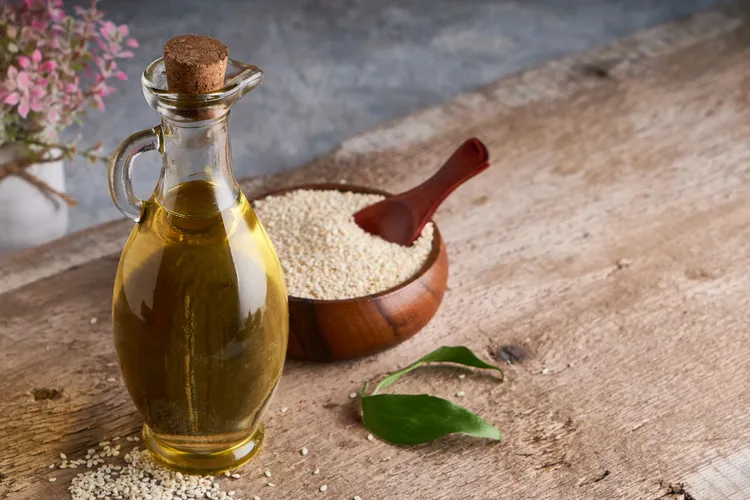
Sesame oil is one of the most misused ingredients in home cooking - not because people use it incorrectly, but because most people don't know that "sesame oil" is actually two completely different ingredients that happen to share a name, look similar in the bottle, and behave completely differently in cooking.
The confusion produces disappointing results: smoky, slightly acrid stir-fries from toasted sesame oil used at high heat where it was never designed to go; flat, underflavoured dressings from light sesame oil used where the roasted version's intensity is required. Most Western cooks who have bought sesame oil and been underwhelmed have encountered only one version, used it in the wrong application, and concluded that sesame oil is overrated.
It is not overrated. It is misunderstood - and the misunderstanding is fixable in a single sentence.
The Essential Distinction: Light vs. Toasted
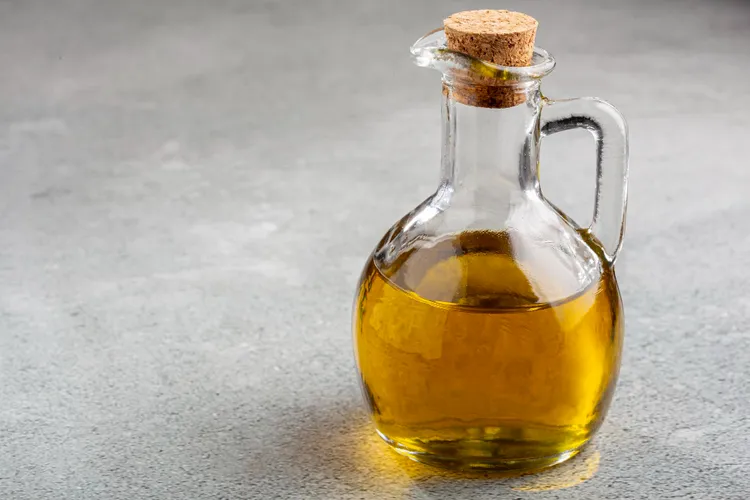
Light sesame oil (also called pure sesame oil, cold-pressed sesame oil, or untoasted sesame oil):
- Made from raw, untoasted sesame seeds, cold-pressed
- Pale golden, almost transparent
- Mild, nutty flavour - present but subtle
- High smoke point (approximately 210°C)
- Used for: cooking at high heat - stir-frying, deep-frying, sautéing
- Widely used in Korean cooking, Chinese cooking, and for high-heat applications throughout East and Southeast Asia
Toasted sesame oil (also called dark sesame oil, roasted sesame oil, or Asian sesame oil):
- Made from roasted sesame seeds - the roasting produces dramatically different flavour compounds
- Dark amber to deep brown
- Intensely nutty, roasted, aromatic - a teaspoon is enough to flavour an entire dish
- Low smoke point (approximately 170°C) - burns easily if cooked at high heat
- Used for: finishing, not cooking - added at the end of cooking, in dressings, in marinades applied cold, as a flavour drizzle
- The sesame oil associated with Chinese, Japanese, and Korean flavours in most Western kitchens
The rule in one sentence: Light sesame oil for cooking; toasted sesame oil for finishing.
Why the Distinction Matters
When toasted sesame oil is used for high-heat cooking - added to a wok at the beginning of a stir-fry, for example - two things happen. First, the volatile aromatic compounds that produce its distinctive roasted, nutty flavour (primarily pyrazines and furans, created during the roasting of the seeds) evaporate almost immediately at high heat. The characteristic flavour is gone. Second, the oil hits or exceeds its smoke point and the remaining fatty acids begin to break down into acrolein and other compounds that taste acrid and slightly harsh.
The result is a stir-fry that tastes slightly burnt and flat, with none of the sesame depth the cook intended to add.
When the same dish is finished with a teaspoon of toasted sesame oil removed from the heat - drizzled over the completed stir-fry or stirred in during the final 30 seconds - the aromatics are preserved completely and the dish gains the rich, roasted, nutty depth that defines Chinese and Japanese cooking.
What Most Kitchens Have and Should Have
Most Western kitchens that own sesame oil have toasted sesame oil - the dark, intensely flavoured version that is the standard in Chinese and Japanese grocery stores and the type most likely to be found in mainstream supermarkets labeled simply "sesame oil."
If you cook Asian food regularly, you should have both:
- Toasted sesame oil for finishing - a small bottle goes a long way (a few drops or teaspoon per dish). Kept in the refrigerator for best flavour preservation.
- Light sesame oil for high-heat cooking - a larger bottle, used more freely.
For most home cooks making Asian-inspired dishes occasionally, toasted sesame oil alone is the most useful purchase. The high-heat applications where light sesame oil excels can be accomplished with neutral oil; the finishing role of toasted sesame oil is harder to substitute.
Buying and Storing Sesame Oil
Quality indicators for toasted sesame oil:
- Deep amber colour - significantly darker than neutral cooking oil
- Nutty, roasted aroma immediately on opening
- Ingredients: 100% sesame oil (or sesame oil + light sesame oil, which is common)
Recommended brands:
- Kadoya (Japanese) - considered by many professional cooks the best toasted sesame oil available. Deep flavour, consistent quality.
- Lee Kum Kee - widely available, reliable for everyday cooking
- Ottogi (Korean) - excellent for Korean applications
- Roland - good mid-range option
Storage: Toasted sesame oil is prone to oxidation (the polyunsaturated fats go rancid with exposure to heat and light). Store in the refrigerator after opening. Properly stored, it keeps for 6-12 months.
Rancid sesame oil: Smells unpleasantly sharp, almost paint-like, rather than pleasantly nutty. Discard and replace - rancid oil adds an unpleasant flavour to anything it touches.
12 Applications
1. The Essential Stir-Fry Finish
The most common and most important application. After completing any stir-fry - vegetables, noodles, fried rice, meat - drizzle 1 tsp of toasted sesame oil over the finished dish immediately before serving. Toss once to distribute.
The sesame oil is the "finish" - the moment that transforms a dish from cooked food into something with the aromatic depth of a restaurant preparation. Without it, the stir-fry tastes flat despite correct technique. With it, every element tastes more complete.
The quantity: 1 tsp for a dish serving 2; 1.5-2 tsp for a dish serving 4. More than this and the sesame flavour becomes dominant rather than background.
2. Sesame Noodle Dressing
The most recognisable sesame oil application in Western kitchens - the cold noodle dressing.
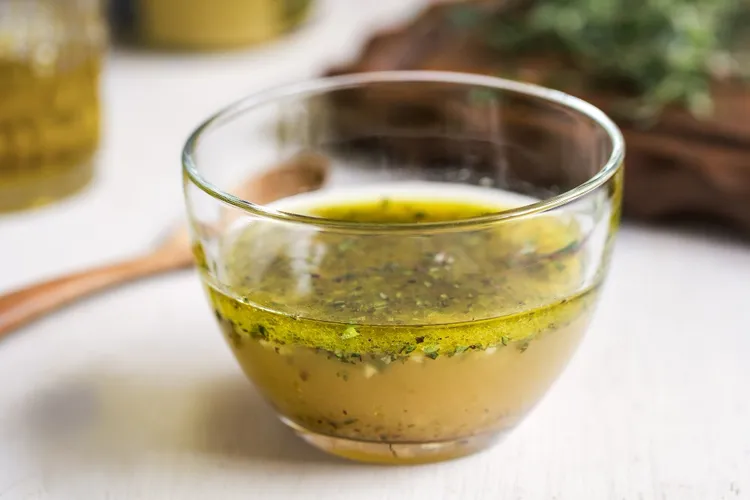
Standard sesame noodle dressing: 2 tbsp toasted sesame oil + 2 tbsp soy sauce + 1 tbsp rice vinegar + 1 tbsp Chinese sesame paste (or tahini) + 1 tsp chili oil + 1 tsp sugar + 1 tsp grated ginger + 1 clove garlic (minced).
Toss with cold cooked noodles (soba, udon, or any Asian noodle), shredded cucumber, spring onion, and sesame seeds.
The sesame oil is the structural element - the fat that carries the other flavours and provides the richness that makes cold noodles a complete dish rather than dressed pasta.
3. Japanese Sunomono (Cucumber Salad)
Thinly sliced cucumber, lightly salted to draw moisture, dressed with: 2 tbsp rice vinegar + 1 tbsp mirin + ½ tsp sugar + ½ tsp toasted sesame oil + sesame seeds.
The sesame oil is the finishing element - just ½ tsp per serving adds a nutty warmth that defines this preparation. Without it, sunomono tastes of vinegar and cucumber; with it, it tastes of Japan.
4. Korean Banchan Dressings
Korean side dishes (banchan) frequently use sesame oil as both a flavour component and a texture element. The most common applications:
Seasoned spinach (sigumchi namul): Blanch spinach, squeeze dry, dress with 1 tbsp soy sauce + 1 tsp sesame oil + 1 tsp sesame seeds + ½ tsp gochugaru + 1 clove minced garlic.
Seasoned bean sprouts: Same dressing. The sesame oil is the specific flavour that makes these simple vegetables taste specifically Korean.
See the Gochugaru post for the broader context of Korean flavour layering.
5. Miso Soup Finish
A few drops of toasted sesame oil drizzled over a finished bowl of miso soup immediately before serving - this is not traditional in Japanese homes but is used in some restaurant preparations. The sesame oil adds a richness and aromatic complexity that the dashi-miso base alone doesn't have.
6. Chinese Wonton Soup
The characteristic finishing oil of Chinese soups and wonton preparations is toasted sesame oil - a few drops in the bowl before the soup is ladled in. The heat of the soup blooms the sesame oil's aromatics; the oil floats on the surface and provides aroma with each spoonful.
7. Fried Rice (Finish, Not Start)
Fried rice cooked and then finished with a teaspoon of toasted sesame oil, tossed through in the final 30 seconds on the heat. The sesame oil adds the restaurant fried rice character - the aromatic finish that distinguishes good fried rice from serviceable fried rice. See the note above: the sesame oil goes in at the end, not the beginning.
8. Sesame Oil in Hummus
A teaspoon of toasted sesame oil added to hummus alongside the tahini adds a roasted sesame depth that tahini alone (made from raw sesame seeds) doesn't fully provide. It is a subtle addition that experienced hummus eaters notice and appreciate. This is the application that bridges the Middle Eastern and East Asian sections of this pillar.
9. Sesame Ginger Marinade
3 tbsp toasted sesame oil + 2 tbsp soy sauce + 1 tbsp rice vinegar + 1 tbsp honey + 1 tbsp grated ginger + 2 cloves garlic (minced).
Use as a marinade for chicken, salmon, tofu, or tempeh. The sesame oil acts as both flavour and fat - it carries the ginger and garlic into the protein and promotes browning during cooking. Apply the marinade, cook at 200°C or grill over high heat. The sesame oil's aromatics are partially preserved (the lower-temperature finish of baking keeps more intact than wok cooking).
10. Chili Oil Enhancement
Most chili oils contain sesame oil as a component - the sesame and chili combination is one of the great East Asian flavour pairings. If making chili oil from scratch (see the recipe in the Vegan Ramen post), use toasted sesame oil as the base. The sesame oil carries the chili aromatics; the chili's heat and colour carry into the sesame oil.
11. Korean BBQ Dipping Sauce
1 tbsp soy sauce + 1 tbsp toasted sesame oil + ½ tsp gochugaru + 1 spring onion (finely sliced) + 1 clove garlic (minced) + sesame seeds.
The simplest dipping sauce in this collection, and one of the most effective. The sesame oil is the fat that softens the soy sauce's saltiness and carries the gochugaru's heat. Served alongside Korean grilled meats, dumplings, or roasted vegetables.
12. Vietnamese Dipping Sauce Enhancement
A few drops of toasted sesame oil added to nuoc cham (the Vietnamese dipping sauce from the Fish Sauce post) adds a warmth and richness to what is otherwise a thin, sharp sauce. This is not traditional nuoc cham - it is a cross-cultural adaptation - but it produces a dipping sauce that works excellently with spring rolls, fresh rice paper rolls, and grilled chicken.
The Sesame Family in Your Pantry
Sesame appears in multiple forms across this collection - understanding them as a family helps:
Raw sesame seeds: Toasted in a dry pan and used as a garnish. The least processed form.
Toasted sesame seeds: Pre-toasted, often sold in sealed packs. Used as a topping and texture element across Korean, Japanese, and Chinese cooking.
Tahini (Middle Eastern sesame paste): Ground raw sesame seeds. See the Tahini post for the full deep dive.
Chinese sesame paste: Ground roasted sesame seeds - darker, more intensely flavoured than tahini. Used in dan dan noodles, cold noodle dressings, and Sichuan preparations.
Light sesame oil: Cold-pressed raw seeds. High-heat cooking oil.
Toasted sesame oil: Pressed from roasted seeds. Finishing oil and dressing ingredient.
All six share the same source ingredient and the same characteristic nuttiness - in increasingly processed and concentrated forms.
Pro Tips
- Add toasted sesame oil at the end, always. This cannot be repeated enough. The volatile compounds that produce its flavour evaporate above 170°C. Every application in this list adds it at the end of cooking, off the heat, or uses it cold.
- A little goes a long way. Toasted sesame oil is intensely flavoured. 1 tsp for a dish serving 2-4 is the standard range. Starting with less and adding more is the correct approach; overseasoning with sesame oil produces dishes that taste aggressively of sesame rather than dishes that benefit from a sesame note.
- Refrigerate after opening. The high polyunsaturated fat content of toasted sesame oil means it oxidises more quickly than saturated oils. Refrigerator storage extends its useful life significantly.
- The Kadoya bottle test. Kadoya sesame oil, available at Japanese grocery stores and many Asian supermarkets, is the benchmark for quality. If your current sesame oil tastes flat or acrid in comparison, the difference is the starting seed quality and the roasting level.
The Most Common Sesame Oil Mistake: Treating It as a Cooking Oil Toasted sesame oil (the dark, intensely flavoured type in most kitchens) has a smoke point of approximately 170°C - significantly lower than most cooking oils. Used for high-heat stir-frying, it burns before the food is properly cooked, producing an acrid, slightly bitter flavour that ruins the dish. Use it only as a finishing oil or in dressings and cold preparations. For high-heat Asian cooking, use neutral oil (sunflower, vegetable, or light sesame oil) and add toasted sesame oil at the very end.
FAQ
Q: Can I use sesame oil for non-Asian cooking?
Yes - toasted sesame oil in a salad dressing or as a finishing drizzle over roasted vegetables adds a nutty depth that works beyond Asian culinary contexts. The Hummus application above is the clearest example - a Middle Eastern preparation that benefits from an East Asian ingredient.
Q: What is the difference between sesame oil and sesame paste (tahini or Chinese sesame paste)?
Sesame oil is extracted oil - flavour without texture. Sesame paste is ground seeds - flavour plus texture and fat together. They are complementary rather than interchangeable.
Q: Why does my sesame oil have a slight cloudiness?
Natural sesame oil can become slightly cloudy when cold - this is the natural waxes in the oil solidifying at refrigerator temperatures, similar to how coconut oil solidifies. Warm the bottle briefly in your hands or at room temperature and the cloudiness disappears. It does not affect quality.
🔗 Related Ingredient Deep Dives
- Fish Sauce: The Fermented Condiment That Makes Everything Savourier
- Miso: Japan's Most Versatile Fermented Ingredient
- Gochugaru: The Korean Chili Flakes That Are Not Like Any Other Chili
- Tahini: The Sesame Paste That Makes Everything Better
- Tamarind: The Sour Backbone of Indian and Southeast Asian Cooking
- World Cuisines in Your Pantry: The Ingredient Deep Dives
Latest