Lemongrass: The Stalk That Perfumes an Entire Cuisine
The preparation technique most cooks get wrong, the parts most cooks discard that should be used, and twelve applications
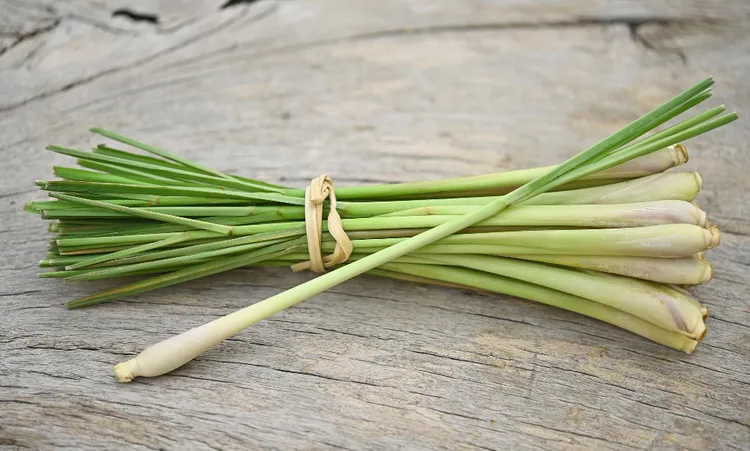
Lemongrass is the aromatic backbone of Thai, Vietnamese, Indonesian, and Malaysian cooking. Its flavour is immediately distinctive - a specific, complex combination of citrus (primarily from the compound citral), floral notes (geraniol, linalool), and a faint medicinal quality - that is lighter, more delicate, and more aromatic than lemon itself, and that cannot be replicated by lemon zest, lemon verbena, or any other citrus ingredient.
Most Western cooks who have encountered lemongrass have encountered it in one of three ways: dried and flattened in a supermarket spice section (largely useless, most aromatic compounds evaporated), as a paste in a tube (acceptable as a convenience ingredient), or fresh - and mostly unprepared correctly, with the tough outer leaves included and the most aromatic inner portion under-utilised.
This guide corrects those encounters. Fresh lemongrass, properly prepared, is one of the most rewarding aromatics available to a home cook. Understanding which parts to use, which parts to discard, and how to release the aromatic compounds most effectively transforms it from a decorative stalk into an essential ingredient.
The Anatomy of a Lemongrass Stalk
A fresh lemongrass stalk is approximately 30-40cm long, with distinct sections that are used differently:
The outer layers: Dry, fibrous, pale green to beige. These are tough, papery, and have very little aromatic content. Peel off 2-3 outer layers and discard.
The inner stalk (the bottom 15-18cm): The core of the lemongrass, where the aromatic oils are concentrated. Pale yellow to pale green, firm but not completely dry. This is the part used in most preparations.
The top third: Tougher and less aromatic than the lower stalk. Can be used to perfume broths (added whole and removed before serving) or discarded.
The root end: The very base, slightly bulbous. Contains concentrated aromatic oils - particularly useful when making curry pastes or stocks.
The Four Preparation Methods
Different preparations release the aromatic compounds differently:
1. Bruising (for infusing liquids): Cut the stalk into 5-6cm pieces. Place on a cutting board and smash firmly with the side of a heavy knife until the fibres break and the stalk is slightly flattened. This breaks the cell walls and releases the aromatic oils into whatever liquid the lemongrass is cooked in. Used in: broths, soups, poaching liquids, infused oils.
2. Finely slicing (for eating in the dish): Remove the outer leaves. Use only the bottom 10cm of the inner stalk. Slice as finely as possible - ideally 1-2mm rounds. Even these fine slices can be chewy in a finished dish; the finer the slice, the less intrusive the texture. Used in: salads, some curry pastes, preparations where the lemongrass is eaten rather than removed.
3. Mincing (for curry pastes): Remove the outer leaves. Use the bottom 10cm. Slice finely, then chop repeatedly until as fine as possible. Many curry paste recipes then call for pounding in a mortar or blending - the breaking down of the fibres releases the aromatic oils and produces a smooth paste. Used in: Thai curry pastes, Indonesian and Malaysian marinades.
4. Whole stalk (for large-format infusing): Tie the whole stalk in a knot (this bruises it along its length) and add to braises, soups, or stocks. Remove before serving.
Buying, Storing, and Substituting
Buying: Fresh lemongrass is increasingly available in mainstream supermarkets (sold in 2-3 stalk packs) and universally available at Asian grocery stores. Choose stalks that are firm and pale - dry, brittle stalks have lost most of their aromatic content.
Lemongrass paste (in tubes or jars): A reasonable convenience substitute for fresh in cooked applications - approximately 1 tsp of paste per stalk of fresh. Not suitable for preparations where fresh texture is needed.
Dried lemongrass: Less useful than the paste. Dried lemongrass has significantly reduced aromatic content and must be rehydrated; use it only in long-simmered broths where time compensates for lower potency.
Storage:
- Refrigerator: Wrap in slightly damp paper towels in a plastic bag. Keeps 2-3 weeks.
- Freezer: Whole or sliced stalks freeze well for 3-4 months. Use directly from frozen.
The lemon zest substitute question: Lemon zest approximates some of the citrus character of lemongrass but lacks the floral notes, the faint medicinal quality, and the specific aromatic complexity. In Thai curry pastes or Vietnamese pho, lemon zest produces a citrusy result but not a lemongrass result. Use the paste if fresh is unavailable.
12 Applications
1. Thai Green Curry Paste
Lemongrass is one of the three essential aromatics in Thai green curry paste alongside galangal and kaffir lime leaves. In homemade green curry paste, finely minced lemongrass is pounded with green chilies, shallots, garlic, galangal, and coriander root until a smooth, intensely fragrant paste forms.
The lemongrass provides the citrusy, herbal lift that distinguishes Thai curry from Indian curry - the specific brightness that is the defining flavour difference between the two traditions. See the Galangal post for the complete curry paste ingredient discussion.
2. Vietnamese Pho Broth
Lemongrass, charred ginger, star anise, cinnamon, and cloves in beef or chicken bone broth - the aromatic basis of Vietnam's national soup. The lemongrass is bruised and added whole, then removed before serving. Its contribution to the pho broth is a citrusy, slightly floral note that lifts and brightens the otherwise rich, meaty broth.
3. Lemongrass Chicken (Ga Nuong Xa)
Vietnamese lemongrass grilled chicken - one of the great Southeast Asian preparations. The marinade: 3 stalks of finely minced lemongrass + 3 cloves garlic + 2 tbsp fish sauce + 1 tbsp sugar + 1 tbsp neutral oil + 1 tsp turmeric. Marinate chicken thighs for 2-4 hours. Grill over high heat.
The lemongrass caramelises slightly against the grill heat, producing a fragrant, slightly charred crust. One of the best chicken marinades in this collection.
4. Tom Kha Gai (Thai Coconut Soup)
The Thai galangal and coconut milk soup - alongside tom yum, the most important Thai soup - uses bruised lemongrass stalks as one of its primary aromatics. See the Galangal post for the complete tom kha recipe.
5. Lemongrass and Ginger Broth
One of the most restorative preparations in this collection - a simple broth of bruised lemongrass, fresh ginger, galangal (if available), and kaffir lime leaves in chicken or vegetable stock. Add tofu, rice noodles, and leafy greens. Season with fish sauce and lime juice.
The lemongrass and ginger combination is one of the most effective soothing preparations in Southeast Asian culinary medicine - used as a remedy for colds, digestive discomfort, and general malaise.
6. Lemongrass Marinade for Tofu or Tempeh
Finely mince 2 lemongrass stalks. Combine with 2 tbsp soy sauce + 1 tbsp sesame oil + 1 tbsp rice vinegar + 1 tsp sugar + 1 clove garlic. Marinate pressed firm tofu or tempeh for 30 minutes. Pan-fry or grill.
The lemongrass penetrates the porous tofu during marination, producing a specifically fragrant result that neutral tofu preparations lack.
7. Lemongrass Tea
One of the most widely consumed beverages in Southeast Asia - lemongrass stalks steeped in hot water produce a clean, citrusy, slightly floral tea that is calming and aromatic.
Method: Bruise 2-3 stalks of lemongrass. Place in a teapot or saucepan with 600ml of water. Bring to a simmer and steep for 5 minutes. Strain. Add honey and a squeeze of lime to taste.
8. Lemongrass and Coconut Rice
Add 1-2 bruised lemongrass stalks to the water when cooking rice in coconut milk. The lemongrass perfumes the rice from within during cooking. Remove before serving. Serve alongside any Thai, Vietnamese, or Malaysian preparation.
9. Lemongrass Cocktail Syrup
A lemongrass simple syrup that transforms any cocktail that uses citrus or fragrant notes.
Method: Simmer 3 bruised lemongrass stalks with 200g sugar and 200ml water for 10 minutes. Cool, strain, bottle. Keeps refrigerated for 1 month.
Use in: Gin and tonic (replace or supplement the tonic's botanical notes), vodka gimlet (replace the lime cordial), mojito (alongside fresh mint), any cocktail where citrusy-floral complexity is wanted.
10. Rendang Spice Base
Indonesian rendang - the dry-braised beef or chicken in a concentrated coconut and spice paste - uses lemongrass as one of its primary aromatics. The lemongrass is minced into the rempah (spice paste) that defines rendang's complex, layered flavour.
11. Lemongrass Infused Oil
Heat 150ml of neutral oil with 3-4 bruised lemongrass stalks over very low heat for 20 minutes. Cool, strain. The resulting oil carries the lemongrass aromatics and can be used as a finishing drizzle over fish, noodles, or soups.
12. Butternut Squash and Coconut Soup
One of the Plant-Based collection's key recipes uses lemongrass as a primary aromatic. The complete recipe is at Butternut Squash and Coconut Soup. The lemongrass, blended with the soup after roasting, provides a citrusy lift that prevents the squash's sweetness from becoming cloying.
Pro Tips
- Only use the bottom 10-15cm. The fibrous top portion has little aromatic content and poor texture. Trim aggressively - a short, thick piece of inner stalk is more useful than a long stalk with the woody exterior included.
- Bruise before infusing. The volatile oils are contained within the cell walls of the stalk - bruising breaks the walls and releases them into whatever liquid surrounds the stalk. Whole, unbruised lemongrass in a broth contributes less flavour than a properly bruised stalk of the same size.
- Freeze whole, prepare fresh. Freeze stalks whole. Remove from the freezer and prepare (bruise or mince) before they fully thaw - the slightly frozen stalk is easier to slice thinly than a room-temperature one.
FAQ
Q: Can I substitute lemon zest for lemongrass?
In a pinch, lemon zest provides some citrus character but lacks the floral, herbal complexity of lemongrass. The result tastes citrusy but not Thai. Lemongrass paste is a better substitute.
Q: Is lemongrass edible - do I eat the pieces in the dish?
Bruised whole pieces are removed before serving (they are too fibrous to eat). Very finely sliced lemongrass in a salad or curry paste is edible - the texture can be slightly chewy even when very fine. In most cooked dishes, the lemongrass is a flavouring element that is removed; in raw salads (like Thai larb), finely sliced lemongrass is eaten directly.
🔗 Related Ingredient Deep Dives
- Galangal: The Root That Looks Like Ginger and Tastes Like Nothing Else
- Fish Sauce: The Fermented Condiment That Makes Everything Savourier
- Tamarind: The Sour Backbone of Indian and Southeast Asian Cooking
- From the Plant-Based collection: Butternut Squash and Coconut Soup
- From the Plant-Based collection: Vegan Ramen with Miso Broth
- World Cuisines in Your Pantry: The Ingredient Deep Dives
Latest