The Ultimate Guide to Plant-Based Comfort Food
The dishes you love - mac and cheese, lasagne, burgers, ramen, shepherd's pie - made entirely from plants. Not almost as good. The real thing.

Comfort food has a definition that has nothing to do with ingredients. It is food that satisfies at a level beyond hunger - food that warms, that soothes, that produces the specific contentment of having eaten something that delivered exactly what you needed. The richness of a béchamel. The depth of a slow-cooked bolognese. The crispy, yielding contrast of a good burger. The steaming, complex broth of a ramen that has been building flavour for hours.
None of these experiences depend on meat or dairy. They depend on richness, depth, complexity, and the specific pleasure of a dish that has been made well. And plant-based cooking, when approached as a creative challenge rather than a restriction, produces all of them.
This is the collection built on that premise. Not vegan food in the sense of food defined by what it lacks. Plant-based comfort food - food defined by what it is: rich, deeply flavoured, genuinely satisfying dishes that happen to contain no meat, no dairy, and no eggs. Every recipe here would earn its place on any table regardless of who is eating.
The Framing That Changes Everything
Most plant-based cooking is framed around absence. No meat. No dairy. No eggs. The conversation begins with what is removed, and the cook's job is defined as minimising the loss.
This collection begins with presence instead. With the question: what does this dish actually need to deliver the specific experience it promises? What produces richness? What produces depth? What produces the umami satisfaction of a slow-cooked meat sauce, the creamy coating of a béchamel, the char and crispiness of a grilled burger?
The answer, consistently, is: specific ingredients, applied with specific techniques. Cashews, blended into cream. Nutritional yeast, providing cheese-like depth. Miso, adding the fermented savouriness that usually comes from animal protein. Smoked paprika and liquid smoke, providing the smokiness that usually comes from cured meat. Mushrooms, generating the meaty umami that comes from glutamates. Jackfruit, producing the fibrous, shredding texture of braised meat.
These are not substitutes - tools that pretend to be something else. They are ingredients with genuine flavour properties that happen to produce the experiences we associate with comfort food. The vegan béchamel in the lasagne recipe is not trying to be a dairy béchamel. It is a cashew cream sauce with roasted garlic, white wine, and nutmeg that produces the same richness and coating quality as a dairy béchamel, through different chemistry. It stands on its own terms.
This distinction - between substitution (trying to replicate) and translation (using different tools to achieve the same experience) - is the philosophy that makes this collection work.
The Twelve Ingredients That Do All the Work
Every recipe in this collection draws on the same compact set of ingredients. Understanding what each one does makes every recipe more intuitive and every improvisation more confident. The full guide is at The Plant-Based Comfort Food Toolkit - here is the essential overview.
Cashews are the richness ingredient. Soaked in water and blended, raw cashews produce a cream with remarkable body and a completely neutral flavour - it takes on whatever it is seasoned with, producing anything from a delicate béchamel to a sharp, cheese-like sauce. The full technique is at How to Make Cashew Cream.
Nutritional yeast is the cheese-flavour ingredient. Deactivated yeast with a savoury, slightly nutty, unmistakably cheese-adjacent flavour from its glutamate content. It does not taste exactly like cheese, but it provides the specific savouriness and depth that cheese provides in cooked dishes - the quality that makes mac and cheese taste of something beyond pasta and cream.
Miso is the fermented depth ingredient. The long fermentation of soybeans and koji produces amino acids and glutamates that provide a complexity no quickly-made ingredient can replicate. A tablespoon of white miso in a vegan cheese sauce adds a rounding, savoury depth that is not identifiable as Japanese but is unmistakably present. See the Fermentation collection for making your own.
Mushrooms are the umami ingredient. Dried porcini mushrooms, rehydrated and added to a bolognese, provide the glutamate depth that meat provides. Fresh shiitake mushrooms, caramelised in a pan until deeply golden, produce a meatiness that is their own - not an imitation of meat but a genuine, satisfying depth of flavour that belongs in the same register.
Smoked ingredients are the depth ingredient. Smoked paprika, chipotle peppers, and liquid smoke (used sparingly - a few drops is all that is needed) provide the background smokiness that cured and grilled meats naturally carry. Without this smokiness, plant-based cooking can taste clean in a way that feels slightly thin. With it, the same dish has the roundness and depth of something that has spent time over a flame.
Jackfruit is the texture ingredient. Young green jackfruit - canned in brine or water, not syrup - has a fibrous, stringy texture that, when cooked with flavourful liquid and shredded, produces pulled meat's distinctive texture more convincingly than any other plant-based ingredient. It is not pretending to be meat. It is its own ingredient that happens to behave in a remarkably similar way.
Coconut cream is the body ingredient. Where cashew cream provides neutral richness, coconut cream provides richness with a slight sweetness and a specific tropical quality that works particularly well in curries, soups, and any dish where a dairy cream's slight sweetness would be appropriate.
Lentils and beans are the protein and substance ingredients. French Puy lentils in a bolognese, black beans in a chili, urad dal in a dal makhani - these are not protein supplements. They are the main ingredient, treated with the same attention and care as any protein.
Tofu is the most versatile plant-based protein. Pressed firm tofu, marinated and roasted or pan-fried, produces a crispy exterior and dense interior that works in everything from banh mi to ramen. Silken tofu, blended, produces a smooth, protein-rich cream that forms the base of the vegan carbonara sauce.
Soy sauce and tamari are the saltiness and umami ingredients. Unlike plain salt, soy sauce provides not just saltiness but glutamate depth that rounds and deepens every savoury dish it touches. Used in the right quantity - not so much that the dish tastes of soy - it functions as an invisible depth-builder.
Tahini is the richness and nuttiness ingredient. Sesame paste provides a specific, slightly bitter richness that works particularly well in dressings, sauces, and any preparation where a cheese would otherwise provide fat and complexity.
Tomato paste is the concentrated depth ingredient. A tablespoon of tomato paste cooked in hot oil until slightly caramelised produces a depth and richness that neither fresh nor canned tomatoes can provide on their own. In a plant-based bolognese, it is one of the key components of the meaty depth.
The Techniques That Make It Work
Beyond the ingredients, a small set of techniques appear throughout this collection. Understanding them makes every recipe more predictable and every result more consistently excellent.
The Maillard Reaction Is Your Best Friend
The same browning chemistry that produces the crust on a seared steak produces the deep, caramelised surface on roasted mushrooms, the golden exterior on pan-fried tofu, the slightly charred edges on roasted cauliflower. The Maillard reaction does not care what it is applied to - it requires high heat, a dry surface, and the right fat. Applied to plant-based ingredients, it produces the depth of flavour that distinguishes excellent plant-based cooking from insipid plant-based cooking.
The practical rule: Never crowd the pan. Wet ingredients steam; dry ingredients brown. Pat tofu dry. Spread mushrooms in a single layer. Give cauliflower and chickpeas space on the sheet pan. The difference between a mushroom that has been caramelised to a deep golden-brown and a mushroom that has been steamed pale in an overcrowded pan is the difference between a pasta that tastes rich and complex and one that tastes of nothing in particular.
Building Layers of Flavour
Plant-based cooking relies more heavily on flavour layering than meat-based cooking, because the single largest source of background depth in most savoury dishes - the long-cooked collagen and fat from animal proteins - is absent. The technique that compensates is building flavour in multiple stages rather than relying on one primary ingredient.
In the lentil bolognese: caramelised onions, then tomato paste cooked until slightly darkened, then porcini mushroom soaking liquid added to the cooking base, then red wine reduced before the tomatoes arrive, then a long simmer that concentrates everything. Each stage adds a layer. The result is depth that no single ingredient could produce.
The Cashew Cream Method
Cashew cream is the single most transformative technique in plant-based cooking. Raw cashews soaked in cold water for at least 4 hours (or boiled for 20 minutes for a quick-soak), then blended with a small amount of water until completely smooth - the result is a rich, neutral cream that thickens sauces, adds body to soups, and forms the base of cheese sauces with a directness that no other plant-based cream achieves.
The key variables: soaking time (longer = smoother), water ratio (less water = thicker cream), and blending power (a high-speed blender produces a noticeably silkier result than a standard blender or food processor). The full technique is at How to Make Cashew Cream.
Pressing Tofu
Tofu from the packet contains significant water. This water must be pressed out before the tofu can be marinated, fried, or roasted - otherwise it steams in its own moisture rather than browning, and the marinade sits on the surface rather than penetrating. Press tofu between paper towels under a heavy book for 30 minutes, or use a dedicated tofu press. The result is a firm, dry surface that browns immediately in a hot pan and absorbs marinades deeply.
Using Salt at Multiple Stages
This is the technique that most separates good plant-based cooking from flat plant-based cooking. Season at every stage: the onions as they cook, the lentils or beans as they simmer, the cashew cream as it is blended, and again at the end. Salt is not just a seasoning - it is a flavour activator, suppressing bitterness and amplifying every other flavour in the dish. Under-seasoned plant-based food tastes thin; properly seasoned plant-based food tastes complete.
The Recipes: A Map of the Collection
Foundations
The two posts that make every other recipe more intuitive.
The toolkit: Twelve ingredients, what each one does, where to find them, how to use them. → The Plant-Based Comfort Food Toolkit: 12 Ingredients That Do All the Work
The technique: Cashew cream - how to make it, what ratios produce what results, eight applications across the collection. → How to Make Cashew Cream: The Dairy-Free Base for Everything
Pasta & Cheesy Dishes
The highest-traffic group in the collection - the dishes that generate the most searches and the most loyalty.
Vegan mac and cheese - the most searched vegan recipe in the world, done properly: cashew cream, nutritional yeast, roasted garlic, white miso, baked with a golden breadcrumb crust. → Vegan Mac and Cheese: The Version Worth Making
Vegan lasagne - a proper lentil bolognese with porcini mushrooms and red wine, a cashew béchamel with nutmeg and white wine, layered pasta. The most impressive plant-based dinner in the collection. → Vegan Lasagne with Cashew Béchamel and Lentil Bolognese
Vegan mushroom pasta - 25 minutes, deeply caramelised mixed mushrooms, cashew cream, white wine, nutritional yeast. The fast weeknight dinner that tastes like a restaurant. → Creamy Vegan Mushroom Pasta
Burgers, Sandwiches & Handheld
The portable comfort food group - the dishes that work for casual entertaining and relaxed weeknights alike.
Plant-based burger - homemade black bean and mushroom patty with a technique for achieving a crust that holds together on the grill. The full burger build included. → The Ultimate Plant-Based Burger
Pulled jackfruit tacos - young green jackfruit cooked with chipotle and smoked paprika until it shreds, in a complete taco build with pickled red onion and avocado. → Pulled Jackfruit Tacos with Chipotle Sauce
Crispy tofu banh mi - pressed, marinated, pan-fried tofu with pickled daikon and carrot in a crusty baguette. The plant-based translation of Vietnam's greatest sandwich. → Crispy Tofu Banh Mi
Soups, Stews & Curries
The warming, slow-cooked group - the dishes that reward patience and fill the kitchen with extraordinary smells.
Vegan ramen - kombu-shiitake miso broth with roasted mushrooms, marinated tofu, corn, nori, and chili oil. The proof that plant-based broth can be as complex as any other. → Vegan Ramen with Miso Broth
Butternut squash and coconut soup - roasted squash, coconut milk, ginger, and lemongrass, finished with crispy chickpeas. Elegant, naturally sweet, complete in 40 minutes. → Butternut Squash and Coconut Soup
Vegan chili - three beans, chipotle, smoked paprika, dark chocolate, and a long simmer. The smoky, deeply flavoured chili that treats beans as the main event they deserve to be. → Vegan Chili with Smoky Black Beans
Dal makhani - the rich, creamy North Indian black lentil curry made entirely plant-based, with coconut cream replacing the traditional butter and cream. Long-cooked, deeply satisfying, culturally genuine. → Dal Makhani: Vegan Black Lentil Curry
Showstoppers
The dishes for occasions that call for something genuinely impressive - Sunday dinners, gatherings, the kind of cooking that makes people ask for the recipe.
Vegan shepherd's pie - lentil and vegetable filling with red wine and fresh thyme, under a cloud of olive oil mashed potato. The plant-based Sunday dinner that needs no apology. → Vegan Shepherd's Pie with Lentil Filling
Vegan tikka masala - roasted cauliflower and chickpeas in a rich tomato-coconut cream masala. Britain's most beloved curry, plant-based and genuinely excellent. → Vegan Tikka Masala
Vegan carbonara - the most technically ambitious recipe in the collection. Silken tofu, nutritional yeast, and cashew cream producing the glossy, coating sauce of Rome's most famous pasta. → Vegan Carbonara (It Actually Works)
Living Plant-Based
The weekly meal plan - seven days of plant-based comfort food from this collection, with a shopping list, batch cooking schedule, and the practical approach that makes this sustainable rather than occasional. → One Week of Plant-Based Comfort Food: A Practical Meal Plan
The Plant-Based Pantry
Every recipe in this collection draws on the same core pantry. Stock these once and almost every recipe here becomes a short, focused grocery run for fresh produce only:
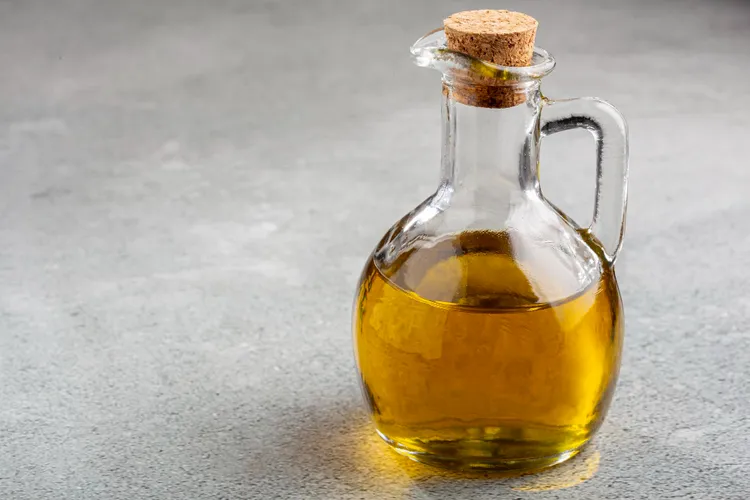
The creams and richness: Raw cashews (buy in bulk - they keep for months and are used across most recipes), full-fat coconut milk and coconut cream, tahini, good olive oil
The umami builders: Nutritional yeast (large container - it is used in nearly every recipe), white miso and/or red miso, soy sauce or tamari, tomato paste, dried porcini mushrooms, kombu (for ramen broth)
The smoke and depth: Smoked paprika, chipotle peppers (dried or in adobo sauce), liquid smoke (a small bottle lasts a long time), Worcestershire sauce (ensure vegan - Henderson's Relish is a good UK option)
The acids and brightness: Lemons, limes, apple cider vinegar, rice vinegar
The proteins and substances: Canned black beans, canned chickpeas, red split lentils, green/brown lentils, dried black urad dal, firm tofu, silken tofu, canned young green jackfruit (in brine or water - never in syrup)
The aromatics: Garlic (fresh heads, never pre-minced), onions, fresh ginger, spring onions
The spices: Ground cumin, ground coriander, turmeric, garam masala, black pepper (freshly ground)
With this pantry in place, the decision of what to cook tonight becomes a quick assessment of what fresh produce is available - everything else is already there.
Who This Collection Is For
Committed plant-based eaters will find the most technically ambitious, most genuinely satisfying plant-based recipes they have encountered - dishes that match and in some cases exceed their meat-based counterparts.
Flexitarians and occasional plant-based cooks will find that every recipe here works for any table, any household, any gathering - the shepherd's pie served on Sunday makes no apologies for what it is, and neither should the cook who made it.
Meat-eaters cooking for plant-based guests will find complete, impressive dishes - not sides to supplement a meat main, but complete dinners that stand alone.
Anyone trying to eat more plants will find that comfort food is an excellent entry point - not because plant-based cooking requires sacrifice, but because the dishes in this collection taste like the answer to a craving, not the management of one.
FAQ
Q: Do I need specialist equipment for plant-based cooking?
A high-powered blender produces noticeably smoother cashew cream than a standard blender - it is the one equipment upgrade that makes a meaningful difference across the most recipes. A Vitamix or similar produces a silkier result than a NutriBullet, which is better than a standard jug blender. The good news: any blender produces acceptable cashew cream. The high-powered option produces exceptional cashew cream. Start with what you have; upgrade when you cook from this collection regularly.
Q: Is plant-based comfort food expensive?
The core ingredients - lentils, beans, chickpeas, cashews (in bulk), nutritional yeast, canned tomatoes, spices - are among the most affordable in any kitchen. A vegan chili or lentil shepherd's pie costs less per serving than the meat equivalent. The more specialist ingredients (jackfruit, silken tofu, good-quality miso) are slightly more expensive but used in smaller quantities. Overall, plant-based cooking in this collection runs at the same or lower cost than equivalent meat-based cooking.
Q: How do I make plant-based food satisfying enough to replace a meat-based dinner?
Protein, fat, and umami are the three components that produce satiety in a meal. Lentils and beans provide protein in significant quantities. Cashews, coconut cream, olive oil, and tahini provide fat. Nutritional yeast, miso, mushrooms, soy sauce, and tomato paste provide umami. Every recipe in this collection is built with all three in mind - the result is food that satisfies completely, not food that requires a second meal an hour later.
Q: Can I make these recipes if I am not vegan?
Absolutely - and this is the point. These recipes are not defined by who makes them or why. They are defined by how they taste. The vegan lasagne does not know or care about the dietary preferences of the person eating it. It knows that it is rich, complex, deeply satisfying, and worth making again. That is enough.
🔗 Start Cooking
- The Plant-Based Comfort Food Toolkit: 12 Ingredients That Do All the Work
- How to Make Cashew Cream: The Dairy-Free Base for Everything
- Vegan Mac and Cheese: The Version Worth Making
- Vegan Lasagne with Cashew Béchamel and Lentil Bolognese
- Creamy Vegan Mushroom Pasta
- The Ultimate Plant-Based Burger
- Pulled Jackfruit Tacos with Chipotle Sauce
- Crispy Tofu Banh Mi
- Vegan Ramen with Miso Broth
- Butternut Squash and Coconut Soup
- Vegan Chili with Smoky Black Beans
- Dal Makhani: Vegan Black Lentil Curry
- Vegan Shepherd's Pie with Lentil Filling
- Vegan Tikka Masala
- Vegan Carbonara (It Actually Works)
- One Week of Plant-Based Comfort Food: A Practical Meal Plan
Latest