The Gut Microbiome Explained: Why 30 Plants a Week Changes Everything
The American Gut Project found that people eating 30+ plants per week have measurably more diverse gut microbiomes than those eating 10 or fewer - regardless of diet type. Here's what that actually means, why it matters, and what plant diversity does that plant volume alone doesn't.
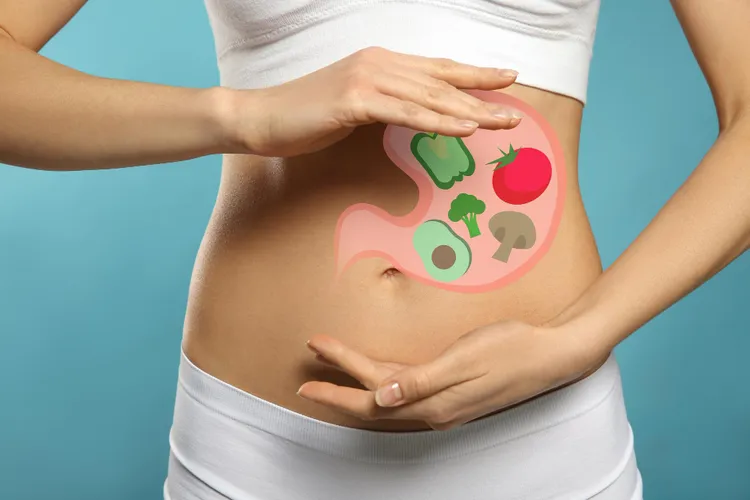
There are approximately 38 trillion bacteria in the human body, most of them in the large intestine. These microorganisms - collectively the gut microbiome - are not passengers. They produce vitamins, regulate immune response, manufacture neurotransmitters, break down dietary fibre into compounds that protect the gut lining, and communicate directly with the brain via the vagus nerve. The health of this ecosystem depends almost entirely on what you feed it. And what it responds to most clearly is variety.
The American Gut Project: What the Data Actually Shows
The American Gut Project, run out of UC San Diego and involving over 11,000 participants across multiple countries, is the largest open-source human microbiome study conducted to date. The core finding relevant to plant diversity: people who ate 30 or more different plant foods per week had significantly higher gut microbiome alpha-diversity (the number and variety of different species within a single individual's microbiome) than those eating 10 or fewer plants per week.
Crucially, this held across diet types. The omnivores eating 30+ plants had more diverse microbiomes than the vegetarians eating 10 plants. The vegans eating a narrow rotation of the same plants showed no microbiome diversity advantage over omnivores with a varied diet. Diet label was less important than the actual variety of plant foods consumed.
The threshold effect at 30 is not a hard biological boundary - it's a statistical threshold at which diversity benefits become clearly measurable. The direction is consistent below that number: more plant diversity, more microbiome diversity.
Why Diversity Beats Volume
Different types of dietary fibre feed different bacterial species. Inulin (found in chicory, garlic, onions, asparagus) feeds Bifidobacteria. Resistant starch (found in oats, cooked-and-cooled potatoes, green bananas, legumes) feeds Firmicutes species that produce butyrate. Pectin (found in apples, citrus peel, berries) feeds a different bacterial community. Arabinoxylans (found in wheat bran and rye) feed yet another set of species.
Eating a large quantity of one plant type feeds one community of bacteria intensively while the others receive little or nothing. Eating a wide variety of plants feeds many different bacterial communities, each of which produces its own range of metabolites. A diverse diet produces a diverse microbiome; a monotonous diet, regardless of how 'healthy' the individual foods are, produces a narrow one.
The analogy that holds up: a monoculture farm can produce high yields of one crop but is fragile - vulnerable to disease, dependent on interventions, unable to recover from stress. A diverse ecosystem is more resilient, more self-sustaining, and more productive across a wider range of conditions. The gut microbiome works the same way.
Short-Chain Fatty Acids: The Output That Matters
When gut bacteria ferment dietary fibre, they produce short-chain fatty acids (SCFAs) - primarily butyrate, propionate, and acetate. These aren't waste products. They're functionally important compounds that do specific and significant work:
- Butyrate: The primary fuel source for colonocytes (the cells lining the large intestine). Adequate butyrate production maintains the integrity of the gut barrier - the physical boundary between the gut contents and the bloodstream. A compromised gut barrier is associated with systemic inflammation, autoimmune conditions, and metabolic disease. Butyrate is also anti-inflammatory in its own right and has been studied for its role in colorectal cancer prevention.
- Propionate: Transported to the liver, where it influences glucose production and contributes to satiety signalling. Higher propionate correlates with improved blood sugar regulation.
- Acetate: Feeds other bacterial species in the gut (cross-feeding relationships that support overall microbiome stability) and influences appetite regulation via gut-brain signalling.
A diverse microbiome produces all three SCFAs in balance. A narrow microbiome, fed on a restricted range of fibres, produces a subset - and the specific deficit depends on which bacterial species are missing.
Polyphenols: The Second Mechanism
Plant diversity also delivers polyphenol diversity. Polyphenols are a class of bioactive plant compounds (flavonoids, phenolic acids, stilbenes, lignans) that act as antioxidants, anti-inflammatories, and - crucially - prebiotics for specific bacterial species. Different plants produce different polyphenols: blueberries are high in anthocyanins; green tea contains catechins; olive oil provides oleuropein; walnuts contain ellagitannins; dark chocolate provides flavanols.
The gut microbiome transforms polyphenols into metabolites that are often more bioavailable and more bioactive than the parent compounds. The ability to transform a given polyphenol depends on having the relevant bacterial species present - which requires eating the plants that feed those bacteria. The diversity of polyphenol intake, like fibre diversity, feeds back into the diversity of the microbiome that metabolises those polyphenols. The system is self-reinforcing: more plant variety supports more microbial variety, which supports better utilisation of the polyphenols you consume.
What Changes When Microbiome Diversity Increases
The research base for microbiome diversity effects is still developing - this is an active research area with significant gaps - but the associations that have been most consistently replicated include:
- Reduced systemic inflammation markers (CRP, IL-6)
- Improved insulin sensitivity and blood glucose regulation
- Improved immune function (roughly 70% of immune cells are in the gut)
- Reduced risk of colorectal cancer (butyrate-related)
- Mood and cognitive effects via the gut-brain axis (serotonin production, vagus nerve signalling)
- Body weight regulation (satiety signalling, SCFA effects on metabolism)
The word 'association' matters here. The microbiome field is generating strong correlational data faster than it's generating clear causal mechanisms for most of these effects. The honest summary: a diverse microbiome correlates with better health outcomes across multiple systems, and increasing dietary plant diversity is the most evidence-backed way to improve microbiome diversity. The mechanism behind the 30-plant-week challenge is sound; some of the specific downstream effects are still being characterised.
Track your fibre and macro targets for plant-diversity meals with the daily macro planner.
How Quickly Does the Microbiome Change?
The gut microbiome responds to dietary changes faster than most people expect. Studies have shown measurable shifts in microbiome composition within 3-4 days of significant dietary change. A study published in Cell (2022) found that a high-fibre diet produced changes in microbiome composition detectable within one week. These are compositional changes - the ratio and types of bacteria present - not necessarily functional changes, which may take longer to manifest as experienced health outcomes.
The practical implication: you don't need to maintain perfect plant diversity indefinitely before noticing any effect. The microbiome is responsive. It also responds to regression - reverting to a low-diversity diet for a week shifts composition back. Consistency matters more than perfection. For the habits that make consistency easy without requiring rigid meal planning, the practical guide to hitting 30 plants per week covers the minimal-effort approach.
The Gut-Brain Axis: A Note on Mood and Cognition
The gut-brain axis refers to the bidirectional communication pathway between the gut microbiome and the central nervous system. The vagus nerve is the primary conduit: it transmits signals from the gut to the brain (and a smaller number of signals in the other direction), and the gut microbiome influences what those signals contain. Roughly 90% of the body's serotonin is produced in the gut - by enterochromaffin cells influenced by gut bacteria - not in the brain. This is why gut health and mood are connected, though the mechanism is more complex than 'serotonin in the gut = happiness'.
Several clinical trials have demonstrated modest but statistically significant improvements in depression and anxiety scores associated with probiotic supplementation and dietary diversity interventions. The strongest human evidence is correlational rather than causal, and the effect sizes are modest compared to established psychological and pharmacological treatments. The honest summary: gut health and mental health are connected, dietary diversity appears to support that connection, and the effect is real but not a substitute for clinical treatment of mood disorders.
Individual Variation and the Microbiome
Not everyone's microbiome responds identically to the same dietary changes. Starting microbiome composition, genetic factors, medication history (especially antibiotic use), stress levels, sleep quality, and early-life factors all influence how the microbiome responds to dietary diversity interventions. This means the 30-plant challenge won't produce identical results for every person, and individual variation in response is expected and normal.
What the data consistently shows is a directional effect: more plant diversity moves microbiome diversity in a positive direction for virtually everyone, even if the magnitude varies. The floor of benefit is real even when the ceiling varies. For practical guidance on building dietary diversity habits that are sustainable regardless of starting point, the practical weekly system and the complete challenge guide are the entry points.
Fibre Types and the Bacteria That Eat Them
Understanding which fibres feed which bacteria helps explain why variety matters more than volume of any one fibre type. The major categories:
Inulin and fructooligosaccharides (FOS): Found in chicory, garlic, onion, leek, asparagus, artichoke, banana (particularly underripe). Feeds Bifidobacteria and Lactobacillus species. These are among the most studied prebiotic fibres.
Resistant starch: Found in oats, cooked-and-cooled legumes, green bananas, cooked-and-cooled rice and potatoes. Feeds Ruminococcus bromii and other species that produce butyrate. Cooking starch and cooling it before eating significantly increases resistant starch content.
Beta-glucans: Found in oats and barley. Feeds a range of bacterial species and has been extensively studied for cholesterol-lowering and immune-modulating effects. One of the most evidence-backed prebiotic fibres.
Pectins: Found in apple peel, citrus peel, carrots, and berries. Highly fermentable, feeds a broad range of species, degrades quickly in the colon and produces acetate particularly.
Arabinoxylans: Found in wheat bran, rye, and oats. Feeds Prevotella and Bifidobacteria species.
No single fibre type feeds all bacterial species simultaneously. A diet built on oats alone feeds beta-glucan-fermenting bacteria intensively while pectins, inulin, and resistant starch communities receive little input. The diversity of fibre types available only through a diverse range of plant foods is the mechanism behind the 30-plant target's gut health effects. For the practical system that delivers this variety, the 30-plant challenge guide is the entry point.
The Research Limitations Worth Knowing
The gut microbiome field is generating data at an extraordinary pace but some significant limitations apply. Most microbiome research is observational and correlational rather than causal. The number of species in the gut microbiome is difficult to measure precisely and varies by sequencing method. The clinical significance of microbiome diversity changes for most healthy people is still being established. What's clear: dietary diversity positively influences microbiome composition in the direction associated with better health outcomes, across multiple studies, populations, and methodologies. What's less clear: the precise magnitude of clinical benefit for any individual, the exact mechanisms behind most microbiome-mediated effects, and the degree to which microbiome changes drive outcomes versus reflect them. The 30-plant challenge is built on the strongest signal in the data - plant diversity correlates with microbiome diversity - while the downstream health effects of that diversity continue to be characterised by ongoing research. For the practical application, the challenge guide and practical system are the starting points.
Starting the Diversity Habit
The gut microbiome responds to dietary change within days. Starting the 30-plant habit produces measurable microbiome shifts within one to two weeks - though experienced health outcomes may take longer to become apparent. The practical starting point is the structural habits: mixed products, spice stacking, plant-dense breakfast. These produce immediate dietary diversity without requiring new recipes or significant cooking skill. For the complete entry point into the challenge, the challenge guide and practical system cover everything needed for the first week.
The Practical Takeaway
The mechanism is clear. A diverse range of plant fibres and polyphenols feeds a diverse range of gut bacteria. A diverse gut microbiome produces a more complete range of short-chain fatty acids and other beneficial metabolites. Those metabolites support gut barrier integrity, immune regulation, inflammation management, and multiple other physiological systems. The relationship between dietary plant diversity and gut microbiome diversity is one of the most robustly replicated findings in nutritional science. The 30-plant-week target is the practical translation of that science into a weekly dietary habit. For the system that makes hitting 30 plants a week practical and sustainable, the practical weekly guide and complete challenge overview are the entry points. The full diversity list tells you exactly what counts. The evidence base for dietary plant diversity as the primary modifiable driver of gut microbiome diversity is strong, replicated, and consistent across study designs and populations. Eating 30 or more distinct plant species per week is the single most evidence-backed dietary intervention available for improving gut health in otherwise healthy adults.
Latest