How to Hit 30 Plants in 7 Days Without Meal Prepping Your Entire Life
Most people are already at 15-20 plants per week without trying. The gap between there and 30 is mostly about three structural habits: mixed products instead of single-ingredient ones, spice stacking, and a plant-dense breakfast. No extra shopping, no complex recipes.

The reason most people don't hit 30 plants per week isn't laziness or lack of effort - it's that they're cooking the same meals on rotation. If your rotation has chicken and rice, pasta with tomato sauce, and a stir-fry with broccoli and carrots, you're probably at 12-15 plants per week. The habits below don't change what you cook. They change the versions of things you buy.
The Three Structural Habits
Habit 1: Mixed Products Instead of Single Ingredients
This is the highest-leverage change in the whole challenge. Every time you buy a single-ingredient product, you're leaving plant diversity on the table at no additional cost.
- Mixed grain packets (oats, barley, quinoa, rye flakes) instead of plain oats: +3 plants for the same price, same cooking time
- Mixed bean tins (typically 3-4 species) instead of one tin of chickpeas: +2-3 plants
- Mixed seed pouches instead of one bag of pumpkin seeds: +3-5 plants
- Mixed frozen vegetable bags instead of single frozen peas: +3-6 plants
- Mixed salad leaves instead of one type: +2-3 plants
- Mixed nut bags instead of one nut type: +4-6 plants
Implementing all of these in a single shopping trip adds approximately 15-25 plants to your week with zero change to what you cook, zero additional prep time, and often zero additional cost. This single habit closes most of the gap between where you are now and 30.
Habit 2: Spice Stacking
Herbs and spices count toward your weekly total, and a properly spiced dish can add 6-10 plants in one cooking step. Most people use two or three spices when they cook. Expanding to five or six doesn't require any additional technique - it's a 90-second step at the start of cooking.
The most efficient spice stacks:
- Basic curry base: cumin, coriander seed, turmeric, smoked paprika, ginger, garlic = 6 plants (garlic already counted if you're using it fresh)
- Za'atar blend: thyme, oregano, sesame seeds, sumac = 4 plants in one teaspoon
- Baharat blend: black pepper, coriander, cumin, cinnamon, cardamom, cloves, nutmeg = 7 plants
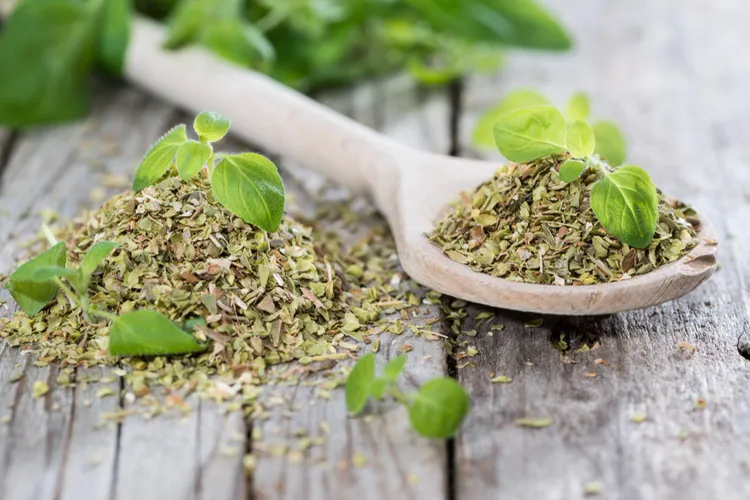
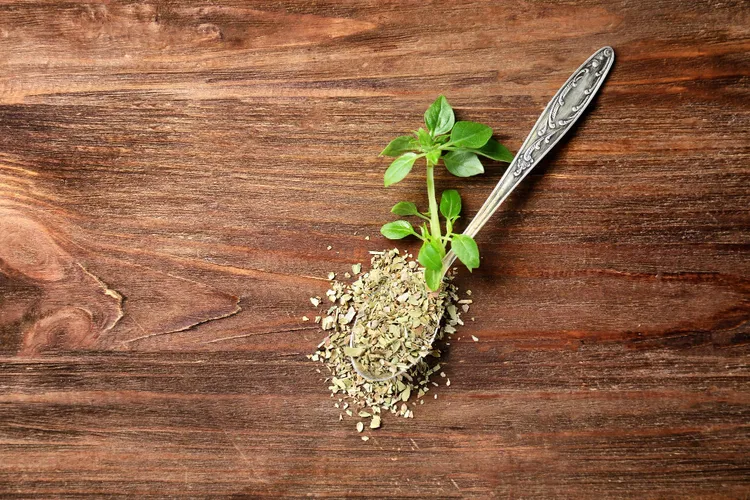
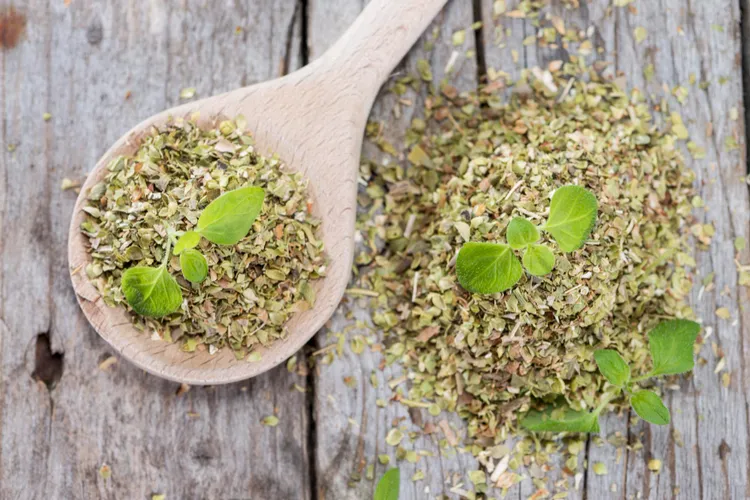
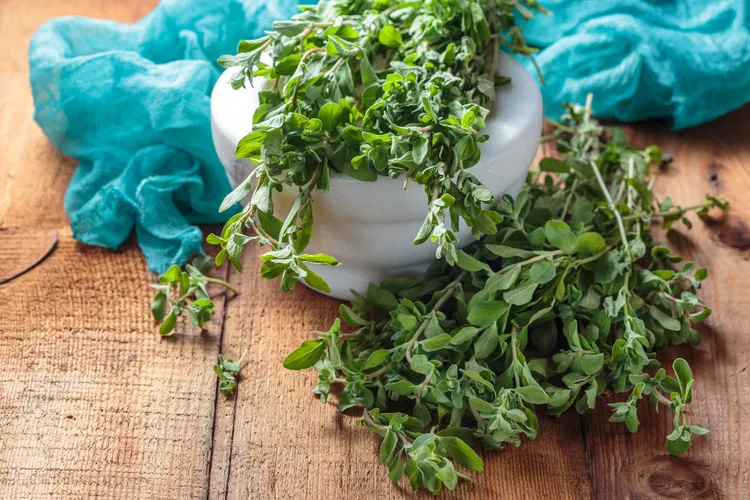
- Everyday herb mix: dried thyme, dried rosemary, dried oregano, bay leaf = 4 plants per dish
For the full breakdown of how to use spices for plant diversity - which blends give the most plants, how to build a spice-stacking habit - see the article on herbs and spices for plant diversity.
Habit 3: A Plant-Dense Breakfast
Breakfast is the easiest meal to load with plant diversity because the format (bowls, oats, smoothies) naturally stacks multiple plants with minimal effort. A plain bowl of cornflakes = 0 plants. A bowl of mixed grain porridge with chia, flax, two fruits, and nut butter = 7-9 plants before you've left the house.
The highest-leverage breakfast formats:
- Mixed grain overnight oats: Oats + barley flakes + chia + flax + hemp seeds + mixed berries + nut butter = 8 plants. Takes 3 minutes the night before.
- Seedy toast: Wholemeal sourdough + tahini + sliced banana + mixed seeds = 5 plants. Takes 2 minutes.
- Smoothie bowl: Frozen mixed berries + banana + oats + nut butter + mixed seeds = 7 plants. Takes 5 minutes.
The full guide to plant-dense breakfasts is in high-plant breakfasts - eight options that each hit 6+ plants.
The Weekly Tracker: Simpler Than You Think
You don't need an app. A note on your phone titled "Plants this week" with a running list is all you need. Add each new plant as you eat it. When you reach 30, stop counting. Most people with the three structural habits above reach 30 by Wednesday or Thursday.
Week 1: count everything. Week 2: count again to verify the habits are working. Week 3 onwards: check in on Thursdays. If you're at 25+ by Thursday, the habits are in place and you can stop tracking daily.
The Shortcut Plants: Highest Diversity Per Gram
Some plant foods are disproportionately efficient for hitting the target. These are the plants worth keeping in permanent rotation because they add multiple plants in one product or deliver diversity at very low cost:
- Mixed bean tins: 3-4 plants in one £0.90 tin
- Mixed seeds: 4-6 plants in one tablespoon
- Spice blends: 4-8 plants in one teaspoon
- Miso paste: Fermented soya + rice/barley = 2-3 plants in one tablespoon. Also a source of beneficial bacteria. See the West African Chickpea Curry from CookThisMuch's recipe library for how chickpeas anchor a spice-heavy dish: West African Slow Cooker Chickpea Curry counts the chickpeas plus onion, chilli, garlic, ginger, curry powder, cumin, coriander, cinnamon, nutmeg, cauliflower, green beans, spinach = 12+ plants in one dish.
- Frozen mixed vegetables: 4-6 plants, cheaper than fresh, just as nutritious
- Kimchi or sauerkraut: 2-4 plants in a tablespoon-sized serving used as a condiment
The Meals That Do the Heavy Lifting
Some meal formats are structurally better for plant diversity than others. These three produce the most plants per meal with the least complexity:
The grain bowl: Grain base + legume + 3-4 roasted vegetables + seed topping + herb dressing = 8-12 plants in one bowl. Full guide in mixed grain bowls for plant diversity.
The spiced legume soup or stew: Legume base + aromatics (onion, garlic, ginger) + 3-4 vegetables + 5-6 spices + herbs = 12-15 plants in one pot. Scales easily for batch cooking.
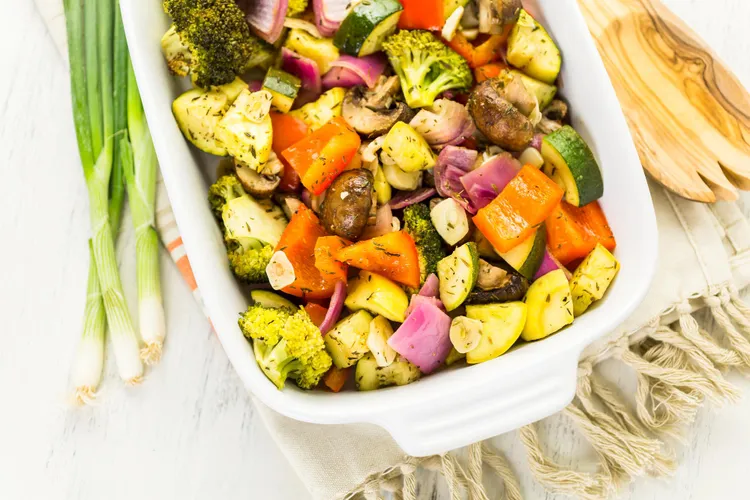
The loaded tray bake: 4-6 different vegetables + legumes or whole grain + spice blend = 10-12 plants. One tray, one oven, minimal washing up.
What Doesn't Work
Eating large amounts of one plant isn't the same as eating many plants. A salad bowl containing just lettuce, tomato, and cucumber - regardless of how large - is 3 plants. Volume is irrelevant. The diversity target rewards breadth, and the habits above are all about width rather than depth. For the full framework, the complete 30-plant-week challenge guide covers every element of the system from pantry to tracking.
When You're Travelling or Eating Out
The challenge survives travel better than any restrictive dietary approach, for the same reason it survives any disruption: there's no banned category, only a target. At a restaurant, a grain salad with mixed leaves, roasted vegetables, and seeds adds 6-10 plants. A curry with multiple spices and a vegetable side adds 8-12. Even a standard restaurant meal - salad starter, main with a mixed vegetable side, fruit-based dessert - typically contributes 10-15 plants without any specific ordering strategy.
On days when you eat mostly processed or restaurant food and plant diversity drops, the week's target is adjusted accordingly. A Tuesday travel day at 4 plants is compensated by a high-diversity Wednesday and Thursday at home. The weekly format absorbs this kind of variation naturally.
Involving the Household
The structural habits - buying mixed products, spicing dishes properly, eating varied breakfasts - don't require the rest of the household to adopt the challenge explicitly. The mixed grain oats taste identical to plain oats for most people. The extra spices in a dish make it more flavourful. The mixed bean tin in a chilli looks and tastes the same as a single-bean chilli. Most of the habits are invisible to people who aren't tracking, which means they don't create friction in shared households.
Children in particular often benefit from the variety habit without needing any framework around it. A breakfast with three different grain textures and multiple fruit varieties is nutritionally richer and often more interesting than a bowl of one grain. The diversity habit and the flavour habit overlap significantly.
Months 2 and 3: Expanding the Habit
After the structural habits are established - mixed products, spice stacking, plant-dense breakfast - the next stage is expanding the variety within categories. You've been using the same curry spice blend for a month; try ras el hanout or za'atar. You've been buying the same mixed bean tin; try a different brand that contains different species. You've been eating blueberries and raspberries; add blackcurrants or gooseberries. The rotation within the habit is what sustains long-term microbiome diversity beyond the initial improvement from hitting 30. For the scientific reasoning behind why ongoing variety matters, the gut microbiome guide explains the mechanism. For the full challenge framework from the beginning, the 30-plant challenge guide is the complete reference.
The Quickest Single Meal for Plant Diversity
If you had to add the maximum number of plants in one dish with minimal cooking time, a spiced mixed bean and vegetable stew is the answer. The version that takes 25 minutes active time and hits 15+ plants: soften one onion and three garlic cloves in olive oil (2 plants). Add ginger, cumin, coriander, turmeric, smoked paprika (5 plants). Add one tin mixed beans, one tin chopped tomatoes, 200ml vegetable stock, one diced sweet potato, and a handful of spinach (5 plants). Simmer 20 minutes. Serve over brown rice or quinoa (1-2 plants). Scatter mixed seeds and fresh coriander leaf on top (2 plants). Total: 15-17 plants in 25 minutes of active cooking.
The same dish reheated for lunch the next day doesn't add new plants (they're already counted) but it does mean the cooking investment covers two meals. This is the logic behind batch cooking for plant diversity: the plant count is front-loaded in one cook, and the meals that follow are efficient in time even if they don't advance the count. For the full approach to cooking efficiently for plant diversity across the week, the challenge overview and 7-day meal plan lay out the complete structure.
The Habit Stack in Practice
Behavioural research on habit formation consistently shows that new habits are most reliably installed when anchored to existing routines. The three structural habits above - mixed products, spice stacking, plant-dense breakfast - are designed to attach to behaviours already in your week. You already buy seeds: buy mixed seeds instead of one type. You already add salt and pepper to cooking: add three more spices. You already eat breakfast: change the format to overnight oats or a seedy bowl. Each habit replaces an existing behaviour rather than adding a new one, which dramatically reduces the friction of adoption. After 3-4 weeks of deliberate repetition, each habit becomes automatic - the mixed grain oats are just what you buy now, the extra spices are just how you cook now. The conscious effort is front-loaded in the first month and the habit runs without it from then on. For the full system that supports all three habits simultaneously, the complete 30-plant challenge guide is the reference.
The Long Game
After the first month of deliberately hitting 30, the weekly plant count often rises naturally to 40-50 as variety-seeking becomes habitual. The initial target is a floor, not a ceiling. People who've maintained the challenge for six months or more typically report that their shopping and cooking has fundamentally changed: they buy more different things, cook more varied meals, and find repetition of the same few plants less satisfying than they once did. The diversity habit, once established, reinforces itself. For the complete framework from the first week to long-term habit, the challenge guide covers the full journey.
Frequently Asked Questions
- What if I don't like certain foods on this list? The plant kingdom has thousands of species. Avoid what you dislike and replace with something else. No plant is irreplaceable for hitting 30.
- Do I count water? No - water contains no plants. Herbal tea counts as the herb it's made from.
- What about supplements? Whole food plants only. Supplement capsules don't count.
- Is it hard to hit 30 as a picky eater? Picky eating often means narrow vegetable variety but the spice, grain, seed, and legume categories are often more acceptable. A picky eater who uses mixed grains, spice blends, and mixed seeds can hit 20 plants before touching a vegetable.
For anything not covered here, the complete plant diversity list covers edge cases in detail, and the challenge overview has the complete system. The habits described above work because they attach to decisions already being made - which products to buy, which spices to reach for, which breakfast format to use. Changing those decisions once, at the point of purchase and cooking setup, produces persistent diversity without ongoing effort.
Latest