What Counts as a Plant? The Complete 30-Plant Diversity List
Every plant counts once per week, regardless of quantity. This is the complete reference list - every category, every edge case, and how to score your week accurately without overthinking it.
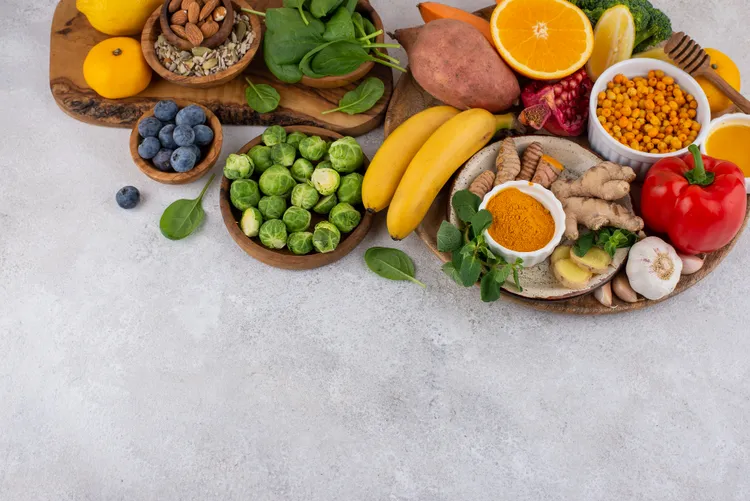
The scoring system is simpler than most people expect. One plant species, eaten at least once during the week, in any quantity, counts as one point. Eat 500g of broccoli on Monday or a single floret on Friday - it's still one plant for the week. Repeat it ten times - still one plant. The system rewards breadth, not volume.
The Full Categories
Vegetables (each variety = 1 plant)
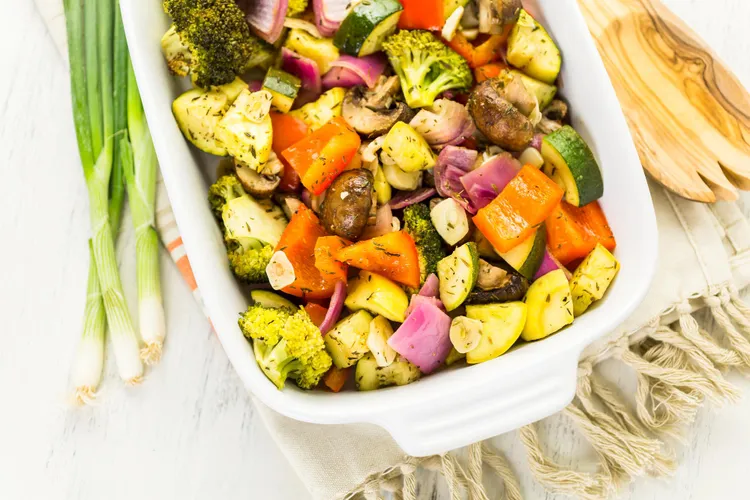
Every distinct vegetable species counts separately. Colour varieties of the same vegetable - red and yellow bell peppers, for example - count as the same plant (Capsicum annuum). But botanically distinct species always count separately, even within the same family:
- Brassicas: broccoli, cauliflower, cabbage (white, red, Savoy = same plant), Brussels sprouts, kale, pak choi, kohlrabi, turnip, swede, radish - each a separate plant
- Alliums: onion, shallot, spring onion, leek, garlic, chives - each separate
- Root vegetables: carrot, parsnip, beetroot, sweet potato, celeriac, Jerusalem artichoke - each separate
- Nightshades: tomato, aubergine, bell pepper, chilli - each separate (note: potato counts but isn't nutritionally dense enough to anchor a diversity strategy)
- Leafy greens: spinach, rocket, watercress, Swiss chard, sorrel, cavolo nero - each separate
- Others: courgette, pumpkin, butternut squash, asparagus, artichoke, fennel, celery, cucumber, corn - each separate
Frozen and tinned vegetables count identically to fresh. Frozen peas are one plant. A tin of mixed vegetables contains however many distinct species are listed on the label.
Fruits (each variety = 1 plant)
Fresh, frozen, dried, and tinned (in juice, not syrup) all count. One date, a handful of raisins, a cup of blueberries - each counts once per week.
- Berries: strawberry, blueberry, raspberry, blackberry, cranberry, blackcurrant, gooseberry - each separate
- Citrus: orange, lemon, lime, grapefruit, clementine, pomelo - each separate
- Stone fruits: peach, plum, cherry, apricot, nectarine - each separate
- Others: apple, pear, banana, mango, pineapple, kiwi, fig, date, pomegranate, grape - each separate
Juice doesn't count - the fibre (the part that feeds gut bacteria) is removed in processing. A whole orange = 1 plant. A glass of orange juice = 0 plants.
Whole Grains (each = 1 plant)
Only whole grains count. The refining process that produces white rice, white flour, and white bread removes most of the fibre and plant diversity value. Brown rice counts; white rice doesn't. Wholemeal bread counts; white bread doesn't.
- Oats, quinoa, brown rice, barley, rye, spelt, farro, freekeh, buckwheat, millet, amaranth, teff, bulgur wheat, wild rice, wheatberries - each a separate plant
- Wholemeal bread, wholemeal pasta, oat crackers - count based on the grain(s) listed
- Mixed grain products: a packet listing oats, quinoa, and barley = 3 plants
Legumes (each = 1 plant)
One of the highest-leverage categories for plant diversity. A standard mixed bean tin typically contains 3-4 distinct species.
- Chickpeas, green lentils, red lentils, Puy lentils, black lentils - each separate
- Black beans, kidney beans, cannellini beans, borlotti beans, butter beans, haricot beans, pinto beans - each separate
- Split peas (green and yellow = same plant), edamame/soya beans, broad beans, green peas, mangetout - each separate
- Peanuts: yes, they count (they're legumes, not nuts)
- Tofu and tempeh: count as soya (same plant)
Nuts (each = 1 plant)
- Almonds, walnuts, cashews, pecans, hazelnuts, Brazil nuts, pistachios, macadamia, pine nuts, chestnuts - each separate
- Nut butters count as the nut (almond butter = almonds = 1 plant)
- Mixed nut bags: count each distinct nut listed
Seeds (each = 1 plant)
- Chia seeds, flaxseeds/linseeds, pumpkin seeds, sunflower seeds, sesame seeds, hemp seeds, poppy seeds - each separate
- Mixed seed products: count each distinct seed on the label
- Tahini counts as sesame seeds
Herbs and Spices (each = 1 plant)
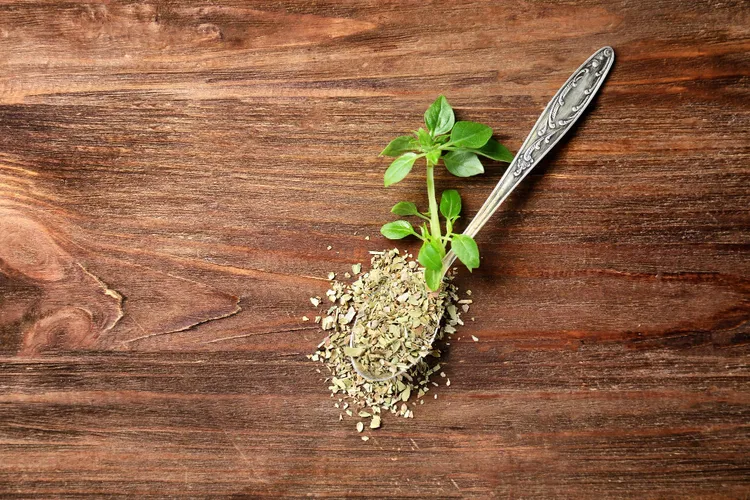
This is the most underused shortcut in the challenge. Fresh herbs, dried herbs, and ground spices all count. A single well-spiced dish can add 6-10 plants instantly. The full breakdown is in the article on using herbs and spices for plant diversity, but the key ones:
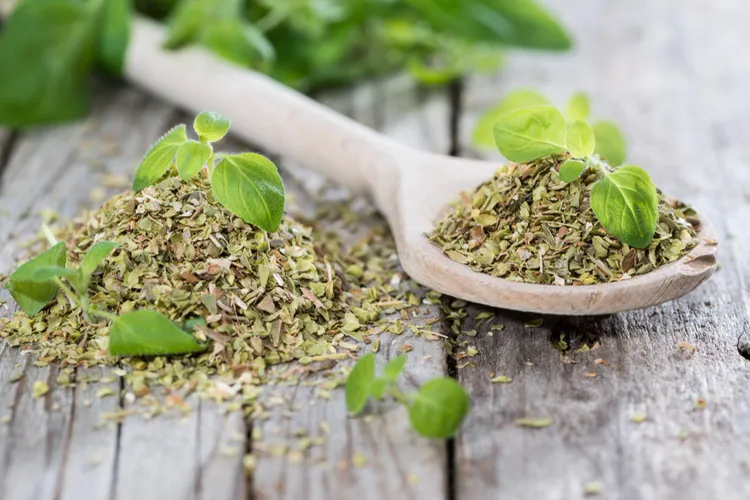
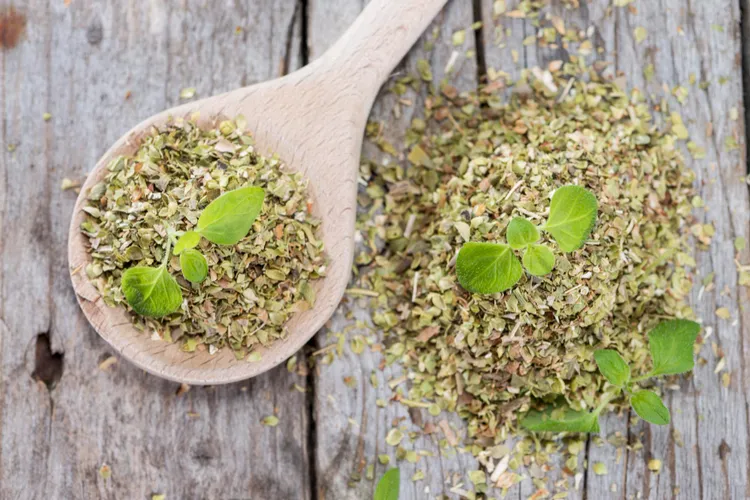
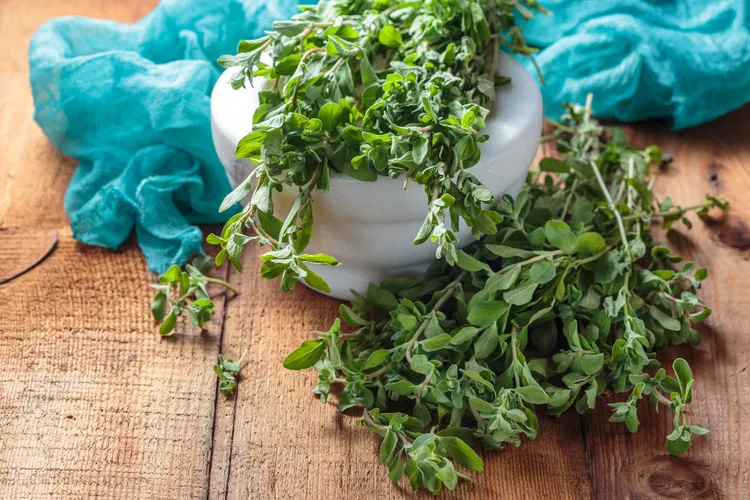
- Herbs: basil, oregano, thyme, rosemary, mint, flat-leaf parsley, coriander leaf, dill, tarragon, bay leaf, sage, lemongrass, chives (already counted as allium - pick one), turmeric leaf - each separate
- Spices: cumin, coriander seed, turmeric, smoked paprika, sweet paprika, black pepper, cayenne, cinnamon, cardamom, cloves, star anise, fennel seeds, mustard seeds, fenugreek, ginger (fresh or dried), nutmeg, allspice, sumac, za'atar blend (count each spice in it) - each separate
- Spice blends: count each distinct plant species listed in the ingredients
Other Counted Plants
- Coffee: Coffea arabica or robusta - 1 plant per week regardless of cups consumed
- Tea: Green, black, white, and oolong are all Camellia sinensis = 1 plant. Herbal teas count as their base plant (peppermint tea = peppermint)
- Dark chocolate (70%+): Cacao/Theobroma cacao = 1 plant per week
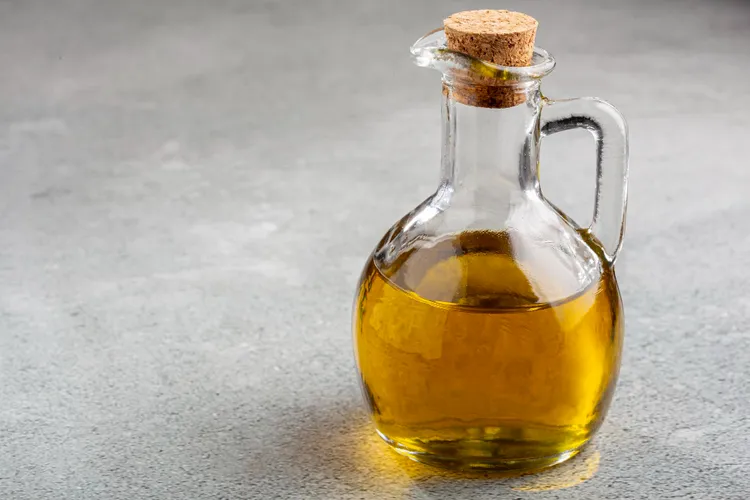
- Olive oil: Technically counts as a plant, though the diversity contribution is minimal. Count it if you want to.
- Fermented plant foods: Kimchi, sauerkraut, miso, tempeh - count the plant species in them (kimchi = cabbage, garlic, spring onion, chilli = up to 4 plants depending on the recipe)
What Doesn't Count
- Fruit juices (fibre removed)
- White rice, white pasta, white bread (plant diversity processed out)
- Plant-based meat alternatives (processing removes most plant diversity value)
- Refined seed oils (the plant has been processed to the point that diversity value is negligible)
- Supplements and powders (whole food plants only)
The Practical Counting Rule
When in doubt: if it's a whole plant food, or minimally processed from a whole plant food, and you can identify the plant species it came from, it counts. If you can't identify the plant species (e.g. 'vegetable oil', 'plant-based protein') it doesn't. This rule handles 99% of edge cases without requiring you to check every ingredient label.
For the full system of how to reach 30 using this list efficiently, the 30-plant-week challenge guide and the practical weekly system cover the strategy in detail. The 7-day meal plan shows exactly how the numbers add up across a real week.
Edge Cases Worth Knowing
Olive oil: Derived from Olea europaea. Technically counts, though the plant diversity contribution is minimal since the fibre has been removed in pressing. Count it if you want to - most people don't bother since the gut health contribution of refined oil is small.
Different coloured versions of the same vegetable: Red and orange bell peppers are both Capsicum annuum - same plant. Red and white onions are both Allium cepa - same plant. But red and spring onions are different: Allium cepa vs Allium fistulosum. When in doubt, look up the Latin name. Most common vegetables are easy to find.
Wild garlic: A distinct species (Allium ursinum) from cultivated garlic (Allium sativum). Counts separately.
Soy milk vs tofu vs edamame: All Glycine max (soya bean) - one plant regardless of how many soya products you consume in a week.
Pea protein powder: Processed pea isolate doesn't count - the fibre that feeds the microbiome is removed in processing. Whole peas, split peas, or dried peas do count.
Apple cider vinegar: Made from apples - counts as apple, once per week.
Wine and beer: Wine = grapes (one plant). Beer made from barley = barley, but it's already in your mixed grain count. The health framing around alcohol is a separate conversation; for plant counting purposes these count as their base plant once per week.
Mushrooms: Technically fungi, not plants. Many plant diversity frameworks count them anyway because they contain prebiotic beta-glucans that feed gut bacteria. The American Gut Project didn't explicitly exclude fungi. Include them if you're following a pragmatic diversity approach.
Building a Scoring Habit
The most practical tracking method: a note on your phone, Monday to Sunday, listing each new plant as you eat it. Add one line per new plant. Stop when you reach 30. Review on Thursday - if you're at 22+, the habits are working. If you're at 15, add a spice-heavy meal and a plant-dense breakfast to close the gap.
Most people find they naturally cluster similar plants in the early days of tracking - eating broccoli and cauliflower in the same week, using the same three spices repeatedly. The tracking habit itself shifts behaviour: once you can see the list, you reach for variety because the list rewards it. After 3-4 weeks, the habit is internalised and tracking becomes optional. The full system for building these habits is in the 30-plant-week challenge guide.
The List as a Shopping Reference
Use this article as a shopping reference. When you're in the supermarket unsure whether something counts, the categories above cover the answer for virtually every whole food product you'll encounter. The rule that handles most edge cases: if it's a whole plant food or minimally processed from one, and you can name the plant species it came from, it counts. If it's a refined extract, isolate, or product where the plant has been processed beyond recognition, it doesn't. For the strategy of how to use this list to hit 30 efficiently, the practical weekly system builds the approach from this reference list.
Plants by Polyphenol Density
All plants count equally for the 30-plant diversity score, but they're not equal in polyphenol content. If you're building your rotation with both diversity and polyphenol density in mind, these are the highest-polyphenol plants available in standard supermarkets, in rough order of content:
- Dark chocolate (70%+): one of the highest sources of flavanols available
- Berries: blueberries, blackcurrants, raspberries, strawberries - among the richest sources of anthocyanins
- Black beans and kidney beans: high in anthocyanins (the same pigments as in berries)
- Green tea: catechins, particularly EGCG
- Walnuts: ellagitannins converted to urolithins by gut bacteria
- Red cabbage: high anthocyanin content relative to other brassicas
- Artichoke: cynarin and chlorogenic acid
- Plums and prunes: sorbitol and polyphenols with specific prebiotic effects
- Olive oil: oleuropein and oleocanthal (in extra virgin, minimally processed)
- Pomegranate: ellagic acid and punicalagins - among the most studied polyphenol sources
This doesn't mean these are the only plants worth eating - fibre diversity matters as much as polyphenol density. But when choosing between two plants you don't currently eat, preferring the higher-polyphenol option adds value beyond the diversity count alone. For the system that uses this list most efficiently, the 30-plant challenge guide and the practical weekly system are the references to start with.
Tracking the List: Practical Tips
When you first start counting, the list grows quickly on Monday and Tuesday (all plants are new) and slows toward the end of the week (most plants already counted). This is expected and not a problem - by midweek the target is usually met. The list is a weekly tool, not a daily one. Some plants appear in almost every meal (onion, garlic, tomato, olive oil) and these are counted once and forgotten for the rest of the week. Others are intentional additions - a new spice blend, a different grain, a fruit you don't usually eat - that move the count forward deliberately. The combination of automatic plants (from routine cooking) and intentional additions (from the structural habits described in the practical weekly system) is what makes hitting 30 sustainable without turning every meal into a maths exercise. The full challenge guide covers how the list-keeping habit evolves from active to passive over the first month.
Using This List as a Rotation Tool
Once you're consistently hitting 30 plants per week, use this list as a rotation reference to expand beyond your current rotation. Identify which categories you rarely eat from - for most people it's the less familiar grains (freekeh, teff, amaranth), the less common legumes (black-eyed peas, adzuki beans, Puy lentils), and the less used spices (sumac, fenugreek, cardamom). Introduce one new plant per week from an underrepresented category. Over a year, this expansion approach adds 50+ plants to your regular rotation that weren't there before - a substantial microbiome diversity improvement that compounds over time. The full system for building and expanding plant diversity habits is in the complete challenge guide.
Quick Reference: Does This Count?
- Lemon juice in a dressing: Yes - lemon = 1 plant.
- Coconut milk in a curry: Yes - coconut = 1 plant.
- Cornstarch as a thickener: Corn = 1 plant, though the fibre contribution is minimal in this form.
- Soy sauce: Soya bean = 1 plant (same as tofu, tempeh, edamame).
- Rice wine vinegar: Rice = 1 plant if the variety you're using wasn't already counted for the week.
- Nutritional yeast: Saccharomyces cerevisiae - technically a fungus, not a plant. Doesn't count under most frameworks.
- Apple cider vinegar: Apple = 1 plant.
- Tahini: Sesame = 1 plant.
- Miso in a dressing: Soya/rice or soya/barley = 2-3 plants depending on the miso variety.
When in doubt: whole plant food or minimally processed from one = count it. Refined extract or processed isolate = don't. This rule handles 99% of questions without any additional reference material. The full list and counting system is covered in the challenge overview.
Latest