Homemade Mayonnaise: The Foolproof Method
Homemade mayonnaise takes about five minutes, uses four ingredients, and tastes completely different from anything in a jar. This guide covers both the hand-whisk and blender methods, plus three flavoured versions.
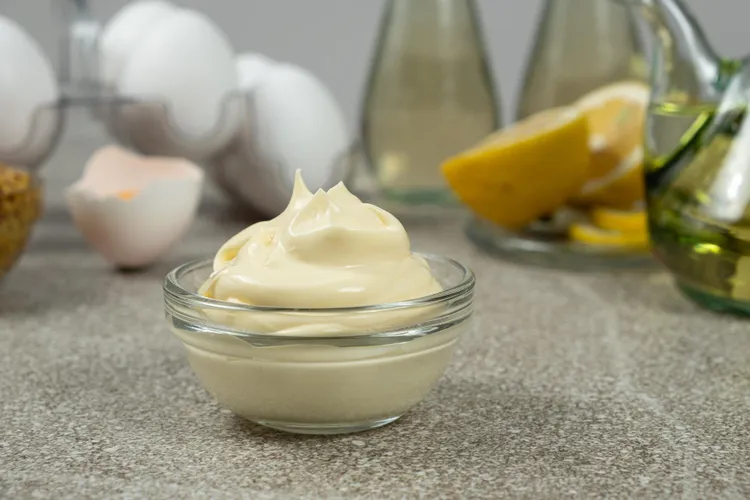
The fear around homemade mayonnaise is mostly unwarranted. It splits when the oil goes in too fast or when the ingredients are too cold - both easily avoided. Once you have made it twice, it becomes a five-minute routine rather than a technique.
The Science Behind the Emulsion
Mayonnaise is an oil-in-water emulsion stabilised by lecithin in the egg yolk. The yolk's lecithin molecules coat tiny droplets of oil and suspend them throughout the watery vinegar base. The result is a thick, stable, creamy sauce. The key variable is the rate of oil addition: too fast, and the lecithin molecules cannot keep up, the emulsion breaks, and you get greasy scrambled yellow liquid. Slowly at first - a few drops at a time - then in a thin stream once the emulsion is established.
Classic Mayonnaise (Hand Whisk Method)
Ingredients
- 2 egg yolks, at room temperature
- 1 tsp Dijon mustard
- 1 tbsp white wine vinegar or lemon juice
- 200ml neutral oil (sunflower, light olive, or a mix)
- Salt and white pepper to taste
Instructions
- Make sure all ingredients are at room temperature - cold yolks are the most common reason mayonnaise splits.
- Whisk together the egg yolks, mustard and vinegar in a medium bowl. Place the bowl on a damp cloth to stop it spinning.
- Begin adding the oil drop by drop, whisking constantly. Do not rush this stage. After about 50ml of oil, the mixture will look thick and pale - the emulsion has formed.
- Once the emulsion is established, add the remaining oil in a thin, steady stream, still whisking.
- Season with salt and white pepper. Taste and adjust acid if needed - a few more drops of vinegar brightens it considerably.
- Transfer to a jar and refrigerate for up to 5 days.
Blender Method
Add the yolks, mustard and vinegar to a tall, narrow container. Put the hand blender at the bottom and start blending on high. With the blender running, pour the oil in a thin stream through the top. The mayonnaise will form in about 30 seconds. This method is slightly less controllable but nearly foolproof.
Nutrition (per 1 tbsp)
- Calories: ~100 kcal
- Fat: 11g
- Carbs: 0g
- Protein: 0.5g
How to Rescue Split Mayonnaise
If the emulsion breaks, do not discard it. Put a fresh egg yolk in a clean bowl, add a small amount of mustard, and very slowly whisk the broken mayonnaise into the fresh yolk - treating it exactly as you treated the oil at the start. The new yolk will re-emulsify the broken sauce in most cases.
3 Flavoured Variations
Garlic Aioli
Add 2-3 cloves of garlic to the base recipe. For the most authentic flavour, pound the garlic to a paste with a pinch of salt in a mortar, then whisk it into the yolks before adding the oil. Replace some or all of the neutral oil with extra virgin olive oil for a more robust flavour. Aioli is thicker than standard mayonnaise and assertively garlicky - use it with grilled fish, roasted potatoes, or as a dip for crudités.
Chipotle Mayonnaise
Whisk 1-2 tsp of chipotle paste (or finely chopped chipotle in adobo) into the finished mayonnaise along with a squeeze of lime juice. The smokiness cuts through the richness of the egg and oil. Use with grilled chicken, fried fish tacos, or as a spread for burgers.
Tarragon Mayonnaise
Whisk 2 tbsp of finely chopped fresh tarragon and 1 tsp of white wine vinegar into the finished mayonnaise. The anise note from the tarragon makes this a natural partner for cold poached chicken, asparagus, or a classic egg mayo sandwich.
Storage Notes
Homemade mayonnaise contains raw egg yolk and should be stored in the fridge and used within 5 days. Do not freeze it - freezing breaks the emulsion irreparably. For more sauces built on the same emulsification principles, the complete guide to homemade sauces and condiments covers hollandaise, béarnaise and vinaigrette in detail.
Latest