How to Make a Swangy Hot Sauce at Home
A homemade swangy hot sauce - fruity, acidic, with a fermented funk base - costs under £1 per bottle and tastes noticeably better than most commercial versions. This guide gives you two recipes: a quick-cooked version ready in 20 minutes and a fermented version ready in 5-7 days.
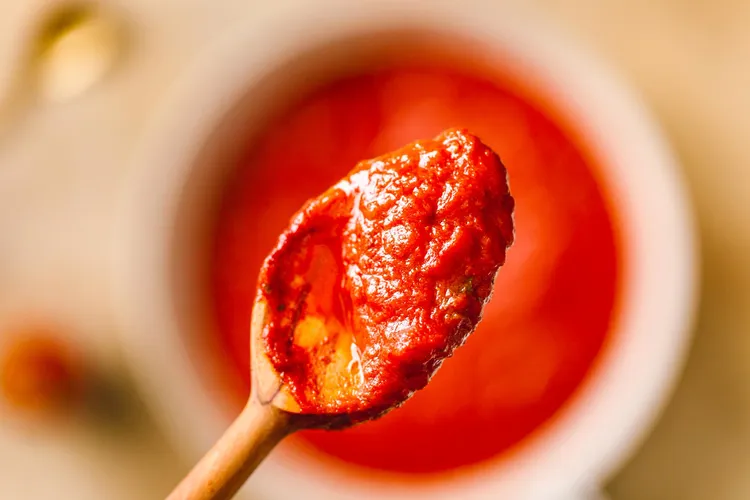
Most commercial hot sauces are either purely about heat or purely about vinegar tang. A genuinely swangy hot sauce needs a third element - the fermented funk that gives it depth and keeps you reaching for more. That element is easy to add at home, either through a short fermentation or by incorporating an already-fermented ingredient like fish sauce, gochujang, or tamarind. Both routes are cheap and straightforward.
Version 1: Quick-Cooked Swangy Hot Sauce (20 minutes)
No fermentation required. The funk comes from a combination of fish sauce and tamarind. Ready to use immediately.
Ingredients (makes ~300ml)
- 200g fresh red chillies (Fresno, cayenne, or mixed - adjust quantity for heat preference)
- 4 garlic cloves
- 1 small ripe mango or 100g tinned mango (~80 kcal worth) - provides sweetness and fruit acid
- 2 tbsp tamarind paste
- 1 tbsp fish sauce
- 2 tbsp apple cider vinegar
- 1 tsp palm sugar or brown sugar
- 100ml water
- 1/2 tsp salt
Method
- Roughly chop chillies and garlic (no need to deseed for maximum heat; deseed for a milder result).
- Combine all ingredients in a small saucepan. Bring to a simmer over medium heat.
- Simmer uncovered for 15 minutes until chillies are completely soft.
- Blend until smooth - a stick blender in the pan works. For a very smooth sauce, pass through a fine sieve.
- Taste and adjust: more tamarind for tang, more sugar for sweetness, more fish sauce for funk.
- Bottle in a sterilised glass bottle. Cool before sealing.
Storage: Refrigerated, keeps 4-6 weeks. The flavour develops over the first 48 hours as the elements integrate.
Macros per tsp (~5ml): ~8 kcal, 0.1g protein, 0g fat, 2g carbs, ~80mg sodium
Version 2: Fermented Swangy Hot Sauce (5-7 days)
The extra time allows lactic acid fermentation to develop a more complex, rounder tang and a deeper funk. The process is the same one used to make kimchi - salt draws out moisture, creates brine, and lactic acid bacteria take over.
Ingredients (makes ~350ml)
- 250g fresh red chillies
- 4 garlic cloves
- 1 tsp non-iodised salt (2% by weight of the chillies + garlic)
- After fermentation, add: 1 tbsp tamarind paste + 1 tbsp apple cider vinegar + 1 tsp palm sugar + 1 tsp fish sauce
Method
- Blend chillies and garlic together until a rough paste forms.
- Mix in salt thoroughly. Pack into a sterilised jar, pressing down firmly to eliminate air pockets. The paste should be packed to no more than three-quarters full.
- Cover loosely with a cloth or a lid placed on top without sealing. Leave at room temperature (18-25°C) for 5-7 days.
- Stir daily. Within 48 hours you should see small bubbles - this is active fermentation. The colour will shift from bright red to a slightly deeper, more muted red.
- After 5-7 days, the fermented paste is ready. Add tamarind paste, vinegar, sugar, and fish sauce. Blend until smooth. Bottle and refrigerate.
Storage: Refrigerated, keeps 3+ months. The fermented version has better shelf stability than the quick version due to the higher acid content.
Macros per tsp: ~7 kcal, 0.1g protein, 0g fat, 1.5g carbs, ~70mg sodium
Cost Breakdown
- 250g fresh chillies: ~£0.50-1.00 (market or supermarket)
- Tamarind paste, fish sauce, vinegar (pro-rata): ~£0.30
- Mango (quick version): ~£0.30-0.50
- Total per batch: ~£1.10-1.80 for ~300ml
That is 30-40p per 100ml - a fraction of the cost of most commercial hot sauces.
Variations
- More funk: Add 1 tsp gochujang to the quick version for a Korean-swangy hybrid
- More fruit: Replace the mango with pineapple or peach for a different fruit-acid profile
- Smokier: Use a mix of fresh and chipotle peppers; add 1/2 tsp smoked paprika
- Vegan version: Replace fish sauce with 1 tbsp soy sauce + 1/2 tsp nori powder
For using this sauce in marinades and glazes for grilled meat and fish, see Swangy Marinades for Grilled Meats and Fish. For the full swangy ingredient context, see the Complete Guide to the Swangy Flavour Movement.
Latest