Homemade Teriyaki Sauce: Better Than the Bottle
Teriyaki sauce is four ingredients - soy sauce, mirin, sake and sugar - cooked together for five minutes. The homemade version has more depth and less sweetness than anything bottled, and it works as a glaze, a marinade and a dipping sauce.
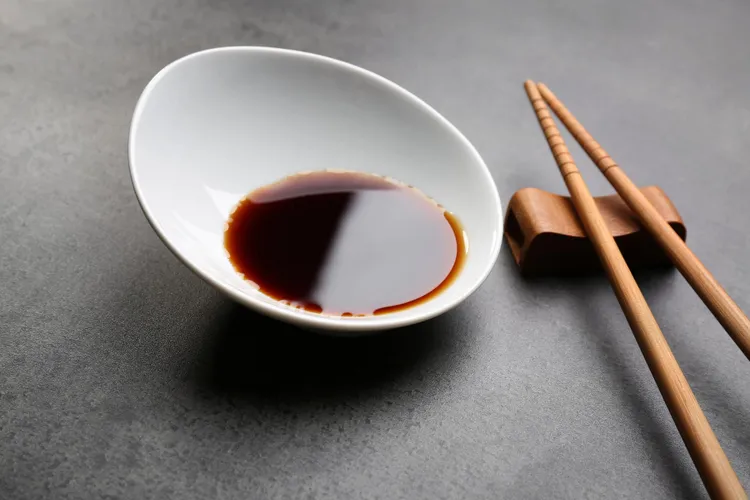
Most bottled teriyaki sauce contains high-fructose corn syrup, modified starch and a list of preservatives that the four-ingredient original does not need. The homemade version takes five minutes, keeps in the fridge for two weeks, and tastes like the sauce at a decent Japanese restaurant rather than a supermarket approximation.
The Four Ingredients and What They Do
Soy sauce provides saltiness and the deep umami base. Mirin - a sweet Japanese rice wine with a lower alcohol content than sake - adds sweetness, gloss and a subtle complexity you cannot replicate with plain sugar. Sake adds depth and helps tenderise meat when used as a marinade. Sugar adjusts the sweetness level and helps the sauce reduce to a glaze. The ratio between these four ingredients is the whole recipe.
A note on substitutions: if you cannot find mirin, dry sherry plus a little extra sugar is the closest substitute. Rice wine vinegar is not a substitute for mirin - they are completely different products with opposite flavour profiles.
Basic Teriyaki Sauce
Ingredients (makes approx. 200ml)
- 100ml soy sauce (Japanese-style, not Chinese dark soy)
- 100ml mirin
- 50ml sake (or dry sherry)
- 2 tbsp caster sugar
Instructions
- Combine all four ingredients in a small saucepan over medium heat.
- Bring to a gentle simmer, stirring to dissolve the sugar.
- Simmer for 5 minutes until the sauce has reduced slightly and coats the back of a spoon lightly. It will thicken further as it cools.
- Taste. If it is too salty, add a little more sugar. If too sweet, add a splash more soy. Remove from the heat and cool.
- Transfer to a jar and refrigerate for up to 2 weeks.
Nutrition (per 1 tbsp)
- Calories: ~30 kcal
- Fat: 0g
- Carbs: 6g
- Protein: 1g
The Mirin vs Honey Debate
Many Western teriyaki recipes replace mirin with honey. This produces a sauce that glazes well and has a pleasant sweetness, but it is missing the fermented, slightly alcoholic depth that mirin contributes. If you genuinely cannot find mirin, honey works - use about half the quantity and expect a sweeter result. For the most authentic flavour, mirin is worth finding. Japanese grocery stores and most large supermarkets stock it.
Three Ways to Use It
As a Glaze
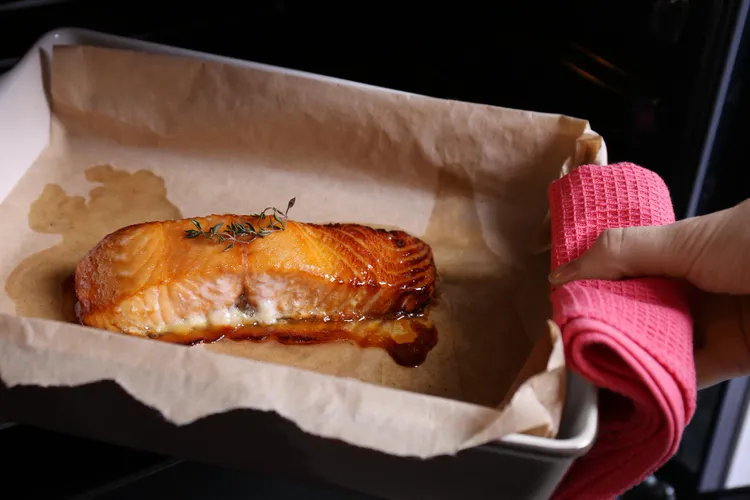
Brush the sauce onto chicken thighs, salmon fillets or tofu in the last 5-10 minutes of cooking. The sugar in the sauce caramelises under heat to form a lacquered, sticky glaze. Watch it carefully - it burns quickly. Apply in thin layers and repeat 2-3 times for depth of colour and flavour.
As a Marinade
Marinate chicken, beef, salmon or tofu in the sauce for at least 30 minutes (up to 24 hours for red meat). The soy salt and sake tenderise the protein while the sugar prepares the surface for caramelisation. Pat the meat dry before cooking - excess marinade in a hot pan burns before the protein cooks through.
As a Dipping Sauce
Serve at room temperature alongside gyoza, spring rolls, grilled skewers or vegetable tempura. For dipping, the sauce is often slightly thinner than a glaze - add a tablespoon of water if needed, or just use it straight from the jar before reducing.
Thickening Without Cornstarch
The sauce thickens naturally as it reduces and as the sugar caramelises. For a thicker glaze, simply reduce it further on the hob. Cornstarch thickening produces a different texture - more gelatinous and opaque - and is not necessary or traditional. Trust the reduction. For more sauces that reward a few minutes at the stove, see the complete guide to homemade sauces and condiments.
Latest