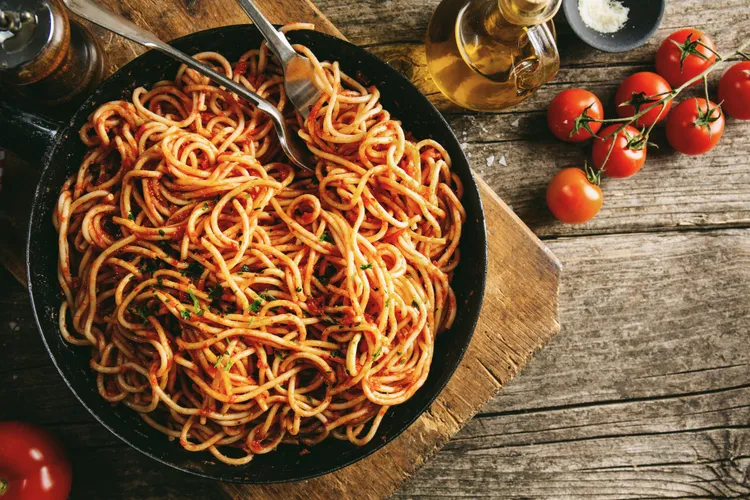
The Best Homemade Tomato Pasta Sauce (From Scratch)
A proper tomato sauce - whether a quick 20-minute weeknight version or a long-cooked Sunday pot - is one of the most useful things to have in your cooking repertoire. This guide covers both methods, the tomato debate, and how to batch and freeze.
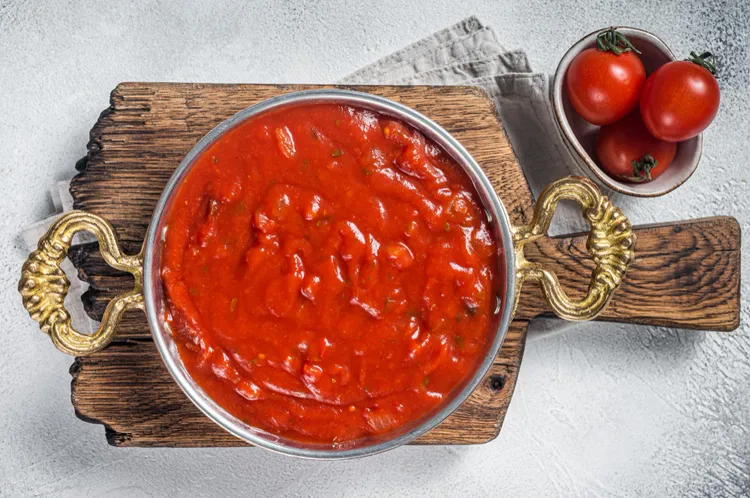
Tomato sauce is often treated as a background player, something you open a jar of when you have not thought ahead. Made from scratch, even quickly, it is a different thing entirely - brighter, more acidic in a good way, with a freshness that no jarred sauce captures. The technique is simple and the ingredients are few, which means the quality of those ingredients matters more here than in almost any other sauce.
The Tomato Question: Canned, Fresh or San Marzano?
For most of the year, good-quality canned tomatoes outperform fresh ones for sauce. Fresh tomatoes have variable acidity and water content; a can of whole plum tomatoes is consistent, concentrated and available year-round. San Marzano tomatoes - grown in the volcanic soil of the Campania region of Italy - are sweeter and less acidic than standard plum tomatoes, with a thick flesh and few seeds. They are worth the extra cost for a simple sauce where tomato flavour is the whole point. For a sauce that will be used as a base (braising liquid, pizza sauce, shakshuka), standard good-quality canned tomatoes are fine.
If using fresh tomatoes, choose the ripest plum or vine tomatoes you can find, preferably in late summer. Blanch them to remove the skins, chop them roughly, and increase the cooking time to evaporate excess water.
Quick Tomato Sauce (20 Minutes)
Ingredients (serves 4)
- 4 tbsp olive oil
- 4 garlic cloves, thinly sliced
- 1 x 400g can of whole plum tomatoes (San Marzano if possible)
- Pinch of dried chilli flakes (optional)
- 1 tsp sugar (only if the tomatoes taste sharp)
- Small handful of fresh basil leaves
- Salt and black pepper
Instructions
- Warm the olive oil in a wide pan over medium-low heat. Add the garlic and cook gently for 2 minutes until softened and very lightly golden. Do not let it brown - burned garlic makes the whole sauce bitter.
- Add the tomatoes and their juice. Crush the tomatoes with a wooden spoon or your hands as they go in. Add the chilli flakes if using.
- Simmer over medium heat for 15 minutes, stirring occasionally, until the sauce has thickened slightly and the raw tomato smell has cooked out.
- Taste. Add sugar only if the sauce tastes noticeably acidic. Season with salt and pepper. Tear the basil over the top and stir through.
- Use immediately or cool and refrigerate for up to 5 days.
Nutrition (per serving, sauce only)
- Calories: ~140 kcal
- Fat: 14g
- Carbs: 5g
- Protein: 1g
Long-Cooked Sunday Sauce (2 Hours)
Additional ingredients
- 1 medium onion, finely diced
- 2 x 400g cans of whole plum tomatoes
- 1 small carrot, finely grated
- 2 tbsp tomato paste
- 100ml red wine (optional but recommended)
- 1 tsp dried oregano
Instructions
- Cook the onion in olive oil over low heat for 15 minutes until completely soft and translucent. Add the garlic for the final 2 minutes.
- Add the tomato paste and stir over medium heat for 2 minutes to caramelise it slightly - this removes the raw tinny flavour and adds depth.
- If using wine, add it now and let it bubble and reduce by half.
- Add the tomatoes, grated carrot (which sweetens the sauce naturally), oregano, salt and pepper. Stir well and bring to a gentle simmer.
- Cook uncovered over the lowest possible heat for 1.5 to 2 hours, stirring every 20 minutes. The sauce will darken, thicken and become sweeter as the water evaporates and the sugars concentrate.
- Taste and adjust seasoning. The finished sauce should be thick, deeply coloured, and taste sweet-savoury rather than sharp.
Batch Cooking and Freezing
Both versions scale up easily. Double or quadruple the quantities and freeze the sauce in 400ml portions (roughly one pasta serving for two). Defrost overnight in the fridge or from frozen in a covered pan over low heat. The long-cooked version freezes better - it is already concentrated, so defrosting does not make it watery.
A freezer stocked with tomato sauce is one of the most practical time-saving habits a home cook can build. For other sauces and condiments worth batch-cooking, see the complete guide to homemade sauces and condiments.
Latest