Malt Vinegar Beyond Fish and Chips: British Vinegar Gets Serious
Malt vinegar is one of the cheapest and most distinctive vinegars available. Its grainy, yeasty depth is almost entirely unused outside British cooking - but it's excellent in chutneys, glazes, long braises, and pickles. Here's what it does and when it's worth reaching for.

Malt vinegar costs under $3 for a large bottle and has a flavor that no other vinegar replicates: grainy, faintly yeasty, with a malty sweetness underneath a robust sharpness. It's made from ale that's been acetified - the malted barley character of the beer survives the conversion to vinegar and gives it an earthiness and depth that wine vinegars don't have. The chip shop association is real and not wrong, but it undersells what this vinegar can do. The same qualities that make it work on fried food work in chutneys, braises, glazes, and pickles where you want bold, savory acid without the refinement of wine vinegar.
What Malt Vinegar Actually Is
Malt vinegar starts as ale - a fermented malt beverage made from barley that's been malted, kilned, and brewed. The ale is then acetified: exposed to Acetobacter bacteria that convert the alcohol into acetic acid. The malted barley flavor compounds that developed during brewing survive this process, giving malt vinegar its distinctive character. Acidity is typically 5% to 6%.
There are two main types: standard malt vinegar (amber to deep brown, full malty flavor) and light malt vinegar (pale gold, milder and cleaner). Non-brewed condiment - often sold alongside malt vinegar - is a different product entirely: acetic acid diluted in water with caramel coloring. It looks like malt vinegar but has none of the flavor. Check the label and avoid it for cooking; look for "brewed" or "fermented" in the description.
Classic British Applications
Fish and Chips
The pairing exists because it works. The sharp acid cuts through the fat of battered, fried fish and starchy chips in a way that brightens both. The malty character adds a dimension that clean white vinegar doesn't. Apply generously and immediately - letting the vinegar sit on fried food makes it soggy before it adds flavor. The same principle extends to any fried food: fried chicken, onion rings, fritters, tempura.
Pickles and Chutneys
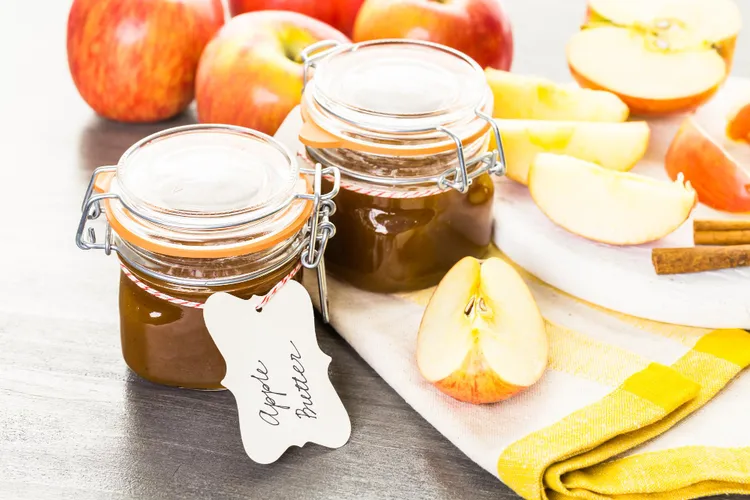
Malt vinegar is the base for most traditional British pickles and chutneys. Branston pickle, Worcestershire sauce, brown sauce, and piccalilli all use malt vinegar as the primary acid. The grain character gives these condiments their distinctive savory-sweet-sour complexity that wine vinegar can't replicate. A simple homemade apple chutney with malt vinegar: 500g peeled and diced apple (or green tomatoes), 250g brown sugar, 200ml malt vinegar, 1 large diced onion, 1 tsp mustard seed, 1/2 tsp ground ginger, 1/4 tsp ground cloves, 1/2 tsp salt. Combine everything in a heavy-based pan, bring to a simmer, and cook uncovered for 30 to 40 minutes until thick and glossy, stirring frequently as it reduces. Makes approximately 500g, about 6 to 8 servings at roughly 120 kcal each. Store in sterilized jars for up to 6 months. Excellent with aged cheddar, cold pork, and game.
Pickled Onions
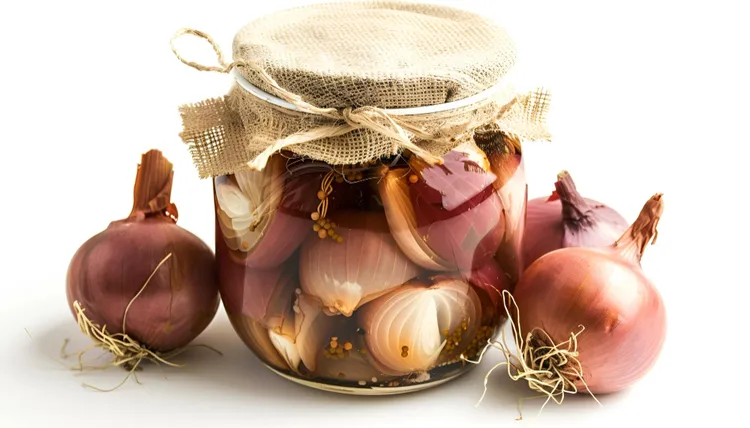
The classic British pickled onion uses undiluted malt vinegar - the boldness of the vinegar is part of the product. Pack silverskin onions tightly into sterilized jars, pour over malt vinegar heated with a small amount of sugar and whole black peppercorns. Seal. Ready in 2 weeks, excellent at 4 weeks. The distinctive grainy sharpness is much more traditional and interesting than the same onions in white wine vinegar.
Less Obvious Applications
Slow Braises and Pot Roasts
A splash of malt vinegar in a beef pot roast or slow-braised short ribs adds a savory depth that wine vinegar doesn't provide. The grain character mirrors the earthiness of the beef. Use about 2 to 3 tbsp per 800g of meat, added with the braising liquid at the start. Over 3 to 4 hours of cooking, the vinegar's assertiveness mellows significantly, leaving a complex background note. The dish won't taste of vinegar - it will taste deeper. Particularly good in Irish or British-style stews with root vegetables.
Glazes for Pork and Game
Malt vinegar reduced with brown sugar and Worcestershire sauce produces a sticky, dark, savory glaze that works well on pork belly, pork chops, and game birds. Formula: 100ml malt vinegar, 2 tbsp brown sugar, 1 tbsp Worcestershire sauce, 1 tsp Dijon mustard, a pinch of dried thyme. Combine in a small pan and reduce over medium heat for 5 to 7 minutes until syrupy. Brush onto pork belly or duck legs in the last 10 to 15 minutes of roasting, reapplying once halfway through. The malt vinegar's grain character pairs naturally with pork fat and the rendered, slightly gamey flavor of duck.
Vinegar-Glazed Root Vegetables
Root vegetables - parsnips, celeriac, beetroot, carrots - roasted with a malt vinegar glaze develop a caramelized, tangy crust. Toss 400g of root vegetables with 2 tbsp olive oil, 1 tbsp malt vinegar, 1 tsp brown sugar, salt, and pepper. Roast at 200°C for 35 to 45 minutes, tossing once halfway. The vinegar promotes caramelization and adds a sharp, characteristic tang to the natural sweetness of the vegetables. Approximately 130 kcal per serving, 20g carbs.
Bread and Batter
Malt vinegar activates baking soda just as ACV or white wine vinegar does. In soda bread, a small amount of malt vinegar in combination with buttermilk gives the bread a slight malty note that works well with Irish wholemeal flour. About 1 tsp per 500g of flour. In beer batter for fish, replacing some of the beer with malt vinegar (about 2 tbsp per 300ml of beer) sharpens the batter flavor and gives it a more assertive character.
Chip Shop-Style Sauces
Making your own chip shop curry sauce: sweat a diced onion in butter, add 1 tbsp curry powder, cook 1 minute, add 200ml chicken stock and 2 tbsp malt vinegar, simmer 10 minutes, blend smooth. The malt vinegar gives it the characteristic sweet-sour note that commercial versions rely on. Brown sauce works similarly: malt vinegar, Worcestershire, tomato puree, dates or tamarind for sweetness, and aromatics.
When Not to Use It
Malt vinegar is too assertive for delicate applications. Don't use it in light salad dressings, cream sauces, Asian cooking, or anything where subtlety matters. Its grain character is also quite different from Chinese black vinegar, despite both being grain-based - substituting one for the other in Asian dishes produces inconsistent results. Use it where bold, British-inflected acidity is appropriate and let it do what it does well.
For the full overview of how malt vinegar fits within the wider vinegar landscape, see the vinegar renaissance guide.
Malt Vinegar in Global Cuisine
Beyond Britain, malt vinegar is used in parts of the Caribbean, where British colonial influence made it a pantry staple - it appears in Jamaican escovitch fish (fried fish preserved in a spiced vinegar), and in pickled peppers and condiments across the English-speaking Caribbean. In Canada, it's a standard condiment alongside ketchup on fries, reflecting British influence on Canadian food culture. It doesn't appear significantly in other culinary traditions, which is part of why it's underused internationally - cooks who didn't grow up with it have no reference point for where it belongs. The flavor profile actually crosses over well with Caribbean and Southern American flavors (pork, smoky heat, tropical fruit in chutneys) once you start cooking with it intentionally.
Malt Vinegar in Fermentation Projects
Malt vinegar is an excellent starting base for home vinegar production - the beer you start with has a malt character that carries through and gives the finished vinegar more depth than a fruit-based starting material. If you're making vinegar at home and want a malt vinegar specifically, use a good dark ale or porter as your base (5% to 6% ABV is already in the correct range without dilution). The resulting vinegar after 6 to 10 weeks of acetification has the grain character of the beer, amplified and concentrated. A stout-based vinegar has a roasted, coffee-adjacent depth that's exceptional in beef braises and makes a chutney with complexity that commercially brewed malt vinegar can't match. Full technique in our home vinegar guide.
Malt Vinegar as a Budget Substitute
Malt vinegar costs about one-third of white wine vinegar per milliliter and is available in large bottles. In applications where a bold, assertive acid is called for and the flavor character of malt vinegar is compatible - pickling, chutneys, robust braises, glazes for fatty meats - it's a legitimate budget substitution that often produces a more interesting result than the cheaper white wine vinegar alternatives. It is not a substitute in applications where a neutral or wine-based acid is specifically required (French sauces, delicate dressings, Japanese applications), but for hearty, British or American-inflected cooking, it is the appropriate acid at the appropriate price point.
Pairing Malt Vinegar With Specific Flavors
Malt vinegar has particularly strong affinities with: brown sugar and molasses (the malt echo in both deepens the combination); dried fruits like raisins and currants (classic in British chutneys); mustard seed and whole spices (standard in piccalilli); Worcestershire sauce (which also has a malt base); smoked meats and smoked paprika; and anything with a caramelized or Maillard-browning surface. It works poorly with dairy (the assertive flavor overwhelms cream and butter), with raw fish and delicate seafood, and with clean, bright herb combinations like chimichurri or salsa verde. Keep it in the "bold and savory" category and use it confidently there.
Worcestershire Sauce and Malt Vinegar: The Connection
Worcestershire sauce - probably the most widely used malt vinegar product in global cooking - gets its characteristic flavor from malt vinegar as the primary acid, combined with tamarind, anchovies, molasses, and spices. Understanding Worcestershire as essentially a concentrated, flavored malt vinegar explains why malt vinegar works as a partial substitute in most applications that call for Worcestershire: the base character is the same, though the anchovy-tamarind-spice complexity is absent. Going the other direction: if a recipe calls for malt vinegar and you don't have it, a reduced amount of Worcestershire sauce (roughly 1 tsp Worcestershire for 1 tbsp malt vinegar) gives you the malt character with additional savory depth. This substitution works best in braises and glazes where the other flavors of Worcestershire can integrate rather than stand out.
Malt Vinegar and Cheese
One of the best and least discussed uses for malt vinegar is in accompanying aged British cheeses. A small dish of malt vinegar-based chutney alongside a wedge of Montgomery Cheddar or a mature Lancashire is a classic British pairing for good reason: the malty acid cuts through the fat of the aged cheese and the grain character echoes the nuttiness in the cheese. Pickled walnuts - whole walnuts preserved in malt vinegar brine - are the traditional partner for strong British cheeses. Making pickled walnuts requires green walnuts (before the shell hardens) and a 3 to 6 month brine in malt vinegar - a commitment, but the result is one of the most distinctive condiments in British food. For a faster application, any malt vinegar-based chutney from your pantry serves the same purpose at the cheese course.
Malt Vinegar in Street Food Applications
Beyond the chip shop, malt vinegar appears in various street food and fast-casual applications where its boldness is an asset rather than a problem. Mushy peas - the British accompaniment to fish and chips - are seasoned with malt vinegar during or after cooking, which sharpens the earthy sweetness of the peas. Jellied eels, a traditional London street food, are served with malt vinegar as the primary condiment, where the vinegar's earthiness mirrors the flavor of the eel. In some British-American hybrid food contexts (notably in certain gastropub settings), malt vinegar has appeared in unconventional applications: malt vinegar reduction as a glaze for grilled corn, malt vinegar caramel (replacing some of the cream with malt vinegar for a salted-caramel-adjacent sauce with a more complex finish), and malt vinegar-brined fried chicken, where the grain character of the vinegar becomes part of the crust's flavor profile. These applications work because they embrace what malt vinegar actually is rather than trying to use it as a substitute for something else.
Nutritional Profile of Malt Vinegar
Malt vinegar is very low in calories - about 3 kcal per tablespoon, essentially zero fat, and trace carbohydrates. It's sodium-free in its pure form (though some commercial versions add salt). The grain-derived amino acids present in small quantities are nutritionally negligible at cooking amounts. The acetic acid content (5% to 6%) provides no direct nutritional benefit but, like all vinegars, may contribute to modest improvements in blood glucose response when used as part of a meal - a benefit attributed to acetic acid generally rather than malt vinegar specifically. For calorie-conscious cooking, malt vinegar is one of the most flavor-dense near-zero-calorie ingredients available, delivering significant taste impact in chutneys, dressings, and marinades without meaningful caloric contribution.
Latest