Quick Pickling Fruit: Peaches, Grapes, and Cherries
A quick pickled fruit recipe - peaches, grapes, or cherries in a lightly sweetened, spiced brine - showing the technique works well beyond vegetables.
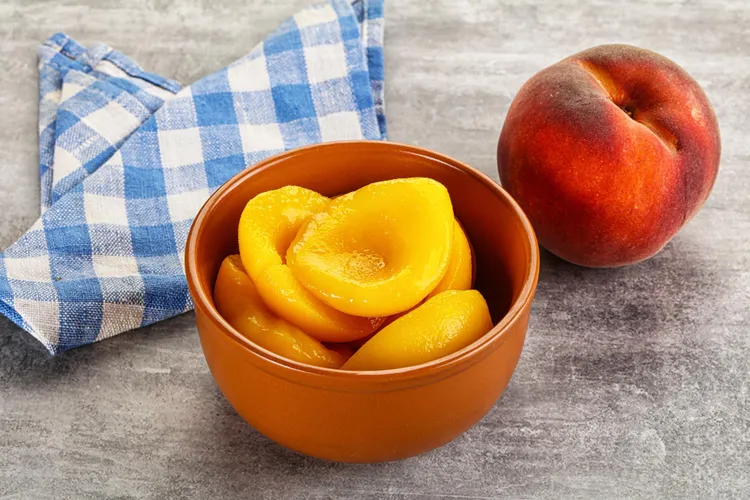
Quick pickling works well outside vegetables entirely - a lightly sweetened, spiced brine turns peaches, grapes, or cherries into a genuinely interesting condiment, closer to a sweet-tart pickle than a straightforward preserve.
Quick Pickled Fruit (Peaches, Grapes, or Cherries)
Prep time: 15 minutes, plus resting | Cook time: 5 minutes | Makes: about 1 pint
Ingredients
- 2 cups firm fruit: sliced peaches, whole grapes, or pitted cherries
- 3/4 cup white wine vinegar or apple cider vinegar
- 1/2 cup water
- 1/2 cup sugar
- 1 tsp kosher salt
- 1 cinnamon stick
- 4 whole black peppercorns
- 2 sprigs fresh thyme or rosemary (optional)
Instructions
- Pack the fruit into a clean pint jar, along with the cinnamon stick, peppercorns, and herb sprigs if using.
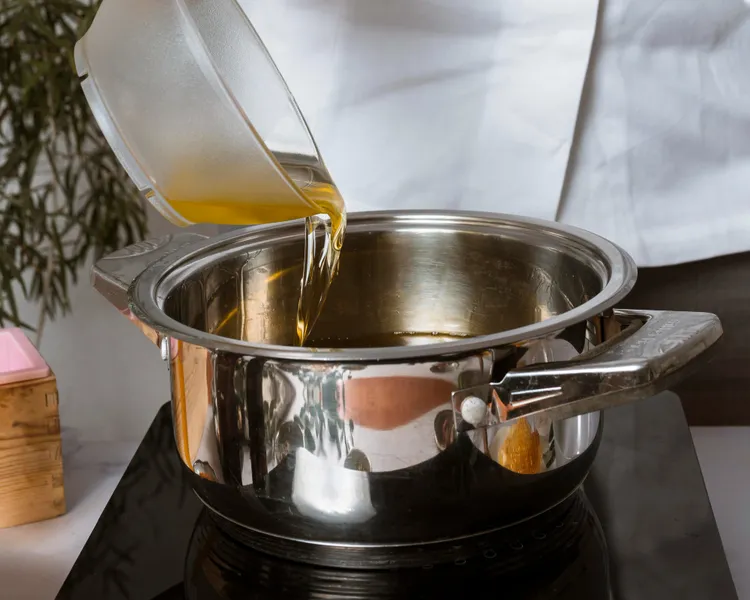
- In a small saucepan, combine the vinegar, water, sugar, and salt. Bring to a brief simmer, stirring until fully dissolved.
- Pour the hot brine over the fruit, making sure it's fully submerged.
- Let the jar cool to room temperature, then seal and refrigerate.
- Ready to eat after about 24 hours, with the best flavor developing over the following few days.
Notes
Use firm, slightly underripe fruit rather than very soft, ripe fruit, which tends to turn mushy once exposed to the warm brine.
Why Pickled Fruit Works
The same sweet-tangy contrast that makes a pickled vegetable interesting works just as well with fruit - vinegar's acidity cuts through fruit's natural sweetness, resulting in something more complex and food-pairing-friendly than plain fresh fruit or a straightforward sweet preserve like jam.
What to Use It For
- Alongside a cheese board, particularly with a soft or blue cheese
- Served with roasted or grilled pork or duck
- Chopped into a salad for a sweet-tangy element
- Spooned over vanilla ice cream for an unexpected sweet-tart dessert topping
Variations
- Spiced version: Add a star anise pod or a few cloves alongside the cinnamon for a warmer, more complex spice profile.
- Herb version: Fresh rosemary or thyme pairs particularly well with pickled cherries or grapes.
- Less sweet version: Reduce the sugar for a sharper, more purely tangy result closer to a savory pickle.
This is one of the more unexpected applications of the base pickling technique. For more, see the complete pickling guide.
Latest