Vegetarian Braises That Actually Work: Beans, Lentils, and Root Vegetables
Braising without meat is about building depth from aromatics, fat, and umami sources - not just simmering vegetables in stock. Get the substitutions right and the results are just as satisfying.
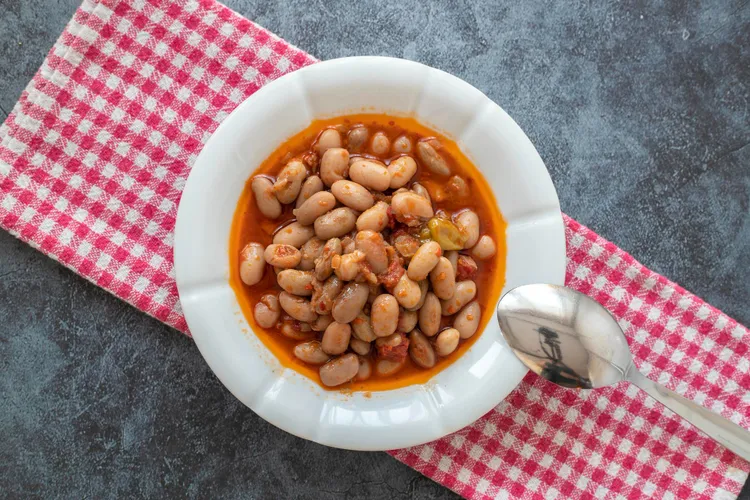
The challenge with vegetarian braising is that you're removing the main source of flavour depth in a traditional braise: the Maillard reaction from seared meat, the gelatin from collagen, and the fat rendered from the cut itself. None of those are impossible to replace, but they do require deliberate substitution. Vegetarian braises that genuinely satisfy are the ones where the cook thinks about what's missing and adds it back deliberately - not the ones that simply swap meat for vegetables and expect the braising liquid to carry the dish.
Building Depth Without Meat
Start with fat. A generous amount - 3-4 tbsp of olive oil or butter - used to deeply soften aromatics is the flavour foundation of any good vegetarian braise. Take more time with this step than you think you need. Onions, leeks, or shallots should be cooked over medium-low heat for 15-20 minutes until very soft, sweet, and starting to colour at the edges. This slow caramelisation creates the flavour base that seared meat would otherwise provide - skip it and the braise tastes thin.
Layer umami sources deliberately. The options that work best in vegetarian braising:
- Tomato paste: Cook 2 tablespoons in the hot fat for 2-3 minutes until it darkens from red to a deep brick colour. This concentrates the glutamates and adds savoury depth that raw tomato can't provide.
- Soy sauce: A tablespoon added to the braising liquid adds significant depth. In the finished dish, it's completely undetectable as soy - it just makes everything taste richer. Our guide to using soy sauce as a background flavour booster explains exactly how this technique works.
- Dried mushrooms: A small handful of dried porcini or shiitake soaked in the braising liquid for 20 minutes before adding. The soaking liquid itself goes into the pot - it's concentrated mushroom stock. Porcini in particular adds the closest approximation to meat-stock depth achievable in vegetarian cooking.
- Parmesan rind: Drop one into the pot with the braising liquid. It simmers invisibly for the entire cook, releasing glutamates slowly. Full explanation of why this works in our Parmesan rind guide.
- Miso paste: A tablespoon stirred in near the end of cooking, not at the beginning. Added too early it can turn bitter during long cooking.
What Braises Best
Dried beans and lentils are the best candidates for vegetarian braising. They absorb the cooking liquid progressively, taking on its flavours throughout the entire cook, and develop a creamy interior that canned beans can never match. Pre-soak large beans (chickpeas, borlotti, butter beans) in cold water overnight. Lentils - particularly Puy or green lentils - hold their shape through a long cook and don't need soaking.
Root vegetables - turnips, parsnips, celeriac, large carrots - stand up to extended cooking. They soften slowly and absorb braising liquid without disintegrating, especially when cut larger than seems necessary. Cut them to golf ball size or bigger to account for the shrinkage during cooking.
Fennel is one of the best single braising vegetables available. Its assertive anise flavour mellows and sweetens almost completely over 45-60 minutes of cooking, and it maintains its structure well. Halve the bulbs and start them cut-side down in a hot, oiled pan to develop colour before adding liquid.
Whole cauliflower braised with tomato, harissa, and chickpeas is a preparation that needs no apology and satisfies genuinely. Brown the cauliflower all over in a hot pan with oil before braising - the caramelised surface is the equivalent of a meat sear in terms of flavour contribution.
For a practical starting point, try this coconut curry lentil recipe - the slow simmer technique applies directly to braising contexts and gives you a sense of how lentils develop during extended cooking.
Timing Differences from Meat
Vegetables braise significantly faster than collagen-rich meat cuts. Most root vegetable braises are done in 45-75 minutes in the oven or 2-3 hours on slow cooker low. The failure mode is opposite to meat: where meat needs enough time to become tender, vegetables can overcook into mush if you push too far. Check earlier than you think you need to.
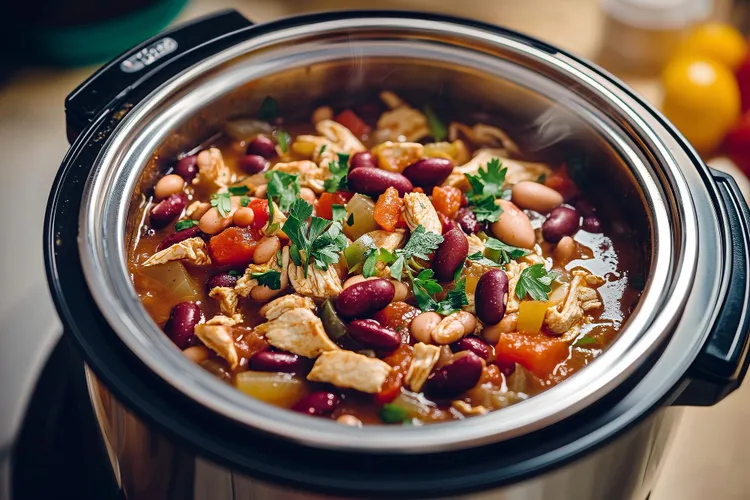
- Dried chickpeas or borlotti beans, soaked overnight: Oven at 160°C: 1.5-2 hours. Slow cooker low: 6-8 hours.
- Puy or green lentils: Oven at 160°C: 45-60 minutes. Slow cooker low: 3-4 hours. Check early - the window between perfect and mushy is narrow.
- Root vegetables (turnip, parsnip, celeriac), large chunks: Oven at 170°C: 60-75 minutes. Slow cooker low: 4-5 hours.
- Fennel halves: Oven at 170°C: 45-60 minutes. Slow cooker low: 3-4 hours.
- Whole cauliflower head: Oven at 180°C: 60-70 minutes covered, 15-20 minutes uncovered for surface colour.
For a full timing reference including these vegetarian options alongside meat cuts, see our slow cooker timing guide.
Liquid and Sauce
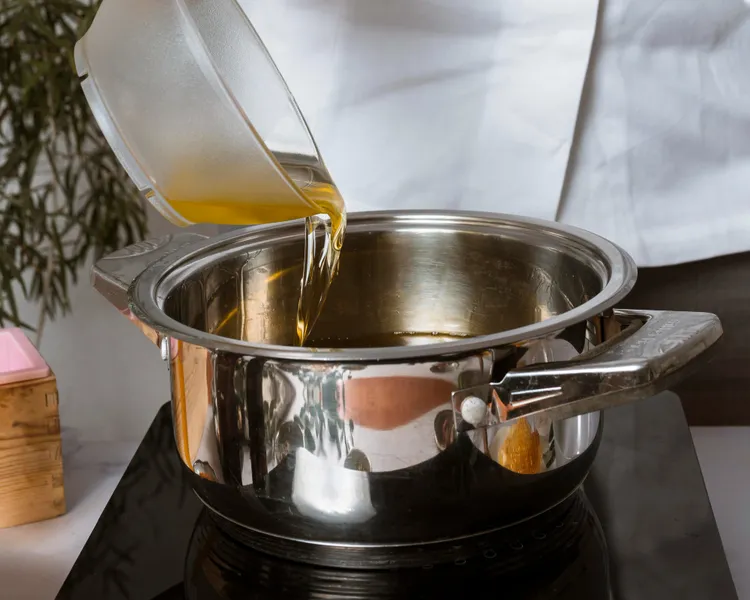
Use vegetable stock as your base - homemade is significantly better than bought for this application. A mix of stock and tinned tomatoes works well for bean and lentil braises, adding both acid and body. Stock alone suits root vegetable preparations where you don't want the acidity.
Keep the liquid level conservative - cover the ingredients by 1-2cm at most. Vegetables release their own moisture during cooking and the volume increases. Too much liquid at the start produces a watery, diluted sauce.
The sauce from a vegetarian braise rarely has the body of a meat braise because there's no gelatin from collagen. Compensate by finishing with a tablespoon of good olive oil stirred in off the heat, or by mashing 20-25% of the beans or lentils into the liquid to thicken it naturally from the inside out.
Macros (Estimates)
Per 300g serving of braised chickpeas with root vegetables in a tomato and herb sauce: approximately 280-320 kcal, 14-16g protein, 38-42g carbs (12g fibre), 8-10g fat. Lentil-based braises run similar numbers with slightly lower total carbs and marginally higher protein density per serving. These portions are satisfying, fibre-rich, and hold well as refrigerated leftovers through the week.
Meal Prep
Vegetarian braises are excellent for batch cooking and improve the next day as the braising liquid is absorbed and flavours continue to develop. Bean and lentil braises keep for 5 days refrigerated and freeze for up to 3 months - one of the longer shelf lives of any batch-cooked meal. Root vegetable braises are best eaten within 3 days; their texture degrades faster than legumes. For batch cooking strategy and portioning, see our braising for meal prep guide.
This article is part of the complete slow cooker and braising guide covering technique, equipment, and timing for all the best low-and-slow preparations.
Replacing Gelatin in Vegetarian Braises
The body that gelatin gives to a meat braising liquid - that silky, clingy quality that makes the sauce coat everything it touches - is one of the harder things to replicate in vegetarian cooking. Several techniques get meaningfully close.
Starchy cooking liquid from beans and lentils is the most practical substitute. When you cook dried beans in the braising liquid rather than adding pre-cooked ones, the starch they release naturally thickens the sauce. By the end of the braise, the liquid has body that approaches a gelatin-enriched sauce.
Blending a portion of the cooked legumes into the sauce is another approach. Remove 20-25% of the cooked beans, blend to a smooth paste with some braising liquid, and stir it back in. This thickens the sauce while keeping it entirely within the dish - no added thickeners.
Bean and Lentil Braise Variations
The aromatic base for vegetarian braises can vary as widely as for meat braises. Several combinations that work particularly well:
Tuscan white bean braise: cannellini or borlotti beans, good olive oil, garlic, sage, and rosemary. White wine and vegetable stock. Simmer a Parmesan rind in the braise for the final hour. Serve with crusty bread and more olive oil.
Moroccan-spiced chickpea braise: harissa, ras el hanout, tinned tomatoes, preserved lemon, and generous olive oil. A teaspoon of honey balances the acid. Serve over couscous with yogurt and fresh herbs.
French lentil braise: Puy lentils with carrots, celery, onion, thyme, and bay. Red wine for depth. Serve warm with a mustard vinaigrette and pickled shallots - a complete meal with good protein, fibre, and a full flavour profile.
Indian-style black lentil braise (dal makhani approach): urad lentils slow-cooked with tomato, ginger, garlic, and warming spices. A tablespoon of butter stirred through at the end adds richness that makes the dish genuinely satisfying without meat.
Building a Complete Vegetarian Meal from a Braise
A vegetarian braise can function as the centrepiece of a complete meal with a little planning. The key is ensuring the braise itself provides enough protein, that the accompaniments add texture contrast, and that the total plate has enough fat and acid to feel satisfying rather than austere.
A chickpea and root vegetable braise over polenta: the chickpeas provide protein (around 15g per 200g serving), the braising liquid becomes the sauce for the polenta, and a handful of fresh herbs adds brightness. This is a nutritionally complete meal from a single braise.
Puy lentils braised with red wine and vegetables, served with crusty bread and a green salad: lentils at 300g cooked weight provide around 18g protein per portion. The bread provides carbohydrate. The salad with a sharp vinaigrette adds the acid contrast the braise itself lacks.
Planning the plate around the braise rather than treating the braise as a protein substitute makes vegetarian braised meals as satisfying as their meat counterparts. The braise is the main event - build around it accordingly.
Using Vegetarian Braises for Meal Prep
Bean and lentil braises are arguably better for meal prep than meat braises in terms of ease and flexibility. They reheat well, don't suffer from the drying-out risk that meat does, and work in more diverse preparations across the week. A large pot of braised chickpeas can become a standalone bowl with grains one day, a filling for wraps the next, a soup base with added stock the day after, and a pasta sauce with blended braising liquid by the end of the week. For full meal prep strategy, see our braising for meal prep guide.
Seasoning Vegetarian Braises Effectively
Vegetarian braising liquid can taste flat compared to meat-based versions, and the temptation is to add more salt. Salt is rarely the problem. The issue is usually a lack of glutamates (the savoury compounds that make food taste rounded and complete) and insufficient acid to brighten the flavours. Both are easily fixed without adding meat.
For glutamates: tomato paste, soy sauce, miso, dried mushrooms, and Parmesan rind (not vegan but lacto-vegetarian) all contribute significant umami without meat. Use at least two of these in any vegetarian braise. A braise built on all four produces a depth of flavour that compares favourably with meat-based preparations.
For acid: white wine, lemon juice, a splash of apple cider vinegar, or tinned tomatoes all provide the brightness that makes the other flavours register properly. Add acid at the end rather than the beginning - it lifts the finished sauce in a way that extended cooking can't provide and shouldn't be boiled off.
The final measure of a successful vegetarian braise is whether it satisfies on its own terms rather than as an approximation of something else. The best vegetarian braises are dishes that happen not to contain meat, not dishes that try to replicate it. Moroccan-spiced chickpeas with preserved lemon and harissa don't taste like braised lamb - they taste like braised chickpeas, which is a different and genuinely excellent thing. Building vegetarian braises around their own strengths rather than around the absence of meat produces the best results.
The most useful mindset for vegetarian braising is curiosity rather than compromise. Approaching the technique as an opportunity to explore what legumes and vegetables do under low, sustained heat - rather than as a workaround for the absence of meat - opens up a genuinely rich cooking territory that has its own traditions, its own flavour logic, and its own rewards entirely separate from what braised meat offers.
Once you've made a proper Moroccan-spiced chickpea braise or a slow-cooked Tuscan white bean preparation with good olive oil and rosemary, the question of whether it compares to lamb shoulder stops being relevant. It's a different dish with different virtues, and it stands entirely on its own.
Latest