Braising Liquid 101: Stock, Wine, Beer, and When to Use Each
The braising liquid is the sauce. What you put in the pot at the start determines what ends up on the plate. Here's how different liquids affect flavour, acid balance, and final texture.
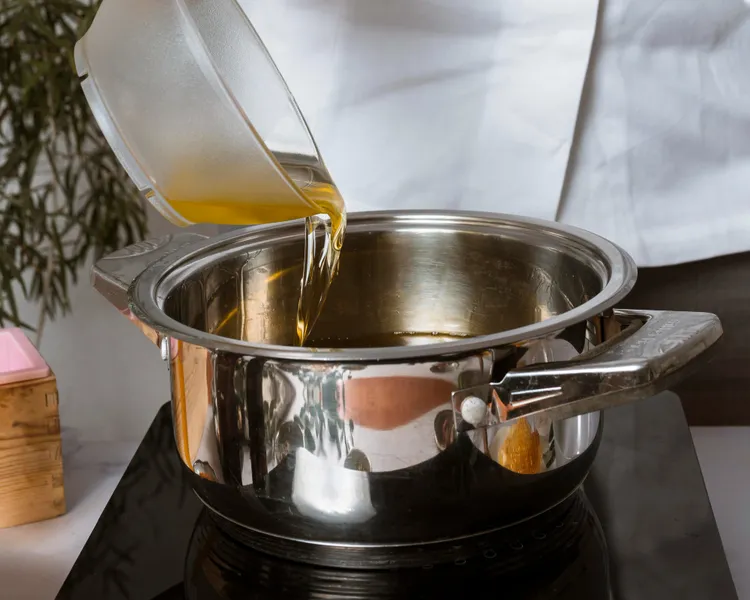
A braising liquid has one job at the start and a different job at the end. At the start, it creates a humid cooking environment that prevents the meat from drying out and provides a medium for flavour exchange between the cut and the aromatics. At the end - after hours of cooking and a period of reduction - it becomes the sauce. That second job is where most home cooks underestimate it. The braising liquid deserves the same deliberate thinking as the cut itself.
The Base: Stock
Stock is the foundation of nearly every braising liquid worth eating. It contributes body through dissolved gelatin from bones, depth from extracted proteins and minerals, and a savoury baseline that water simply cannot provide regardless of how well you season the braise.
Use the matching animal's stock where practical - lamb stock with lamb, beef stock with beef, chicken stock for pork or poultry. The match isn't strictly essential, but it builds coherence in the finished flavour and avoids the slightly generic taste that comes from using the same chicken stock for every braise regardless of the meat.
Quality matters significantly here. A gelatinous stock - one that sets to a loose jelly when cold - produces a finished sauce with natural body and cling that requires minimal reduction. A thin, watery commercial stock produces a thin sauce that needs aggressive reduction to reach sauce consistency, often at the cost of over-concentrating the salt. Our complete stock-making guide covers technique for all stock types including beef, chicken, lamb, and vegetable.
Among commercial options: liquid stocks in cartons are generally better than cubes. Concentrated paste stocks in small jars are often the best commercial option - gelatinous and intense, with closer flavour to homemade than most carton stocks. Taste any commercial stock before adding to your braise. If it tastes flat, overly salty, or artificial before cooking, it will produce a flat, overly salty sauce after cooking.
Red Wine
Red wine adds three things to a braise: acid (which brightens the finished sauce and helps tenderise the meat during cooking), tannins (which add structure and a slight astringency that balances the richness of fatty cuts), and fruit compounds that cook down into a complex, savoury background note over long cooking times.
Use a wine you'd actually drink. Cooking wine with added salt produces inferior results and makes the sauce nearly impossible to season accurately at the end. A serviceable everyday red is sufficient - you don't need an expensive bottle. Match intensity to the meat: big, tannic reds (Malbec, Cabernet Sauvignon, Shiraz) for beef; medium-bodied reds (Merlot, Grenache, Rioja) for lamb and pork. Our guide to red wines for braising covers these choices in more detail.
Always reduce the wine before adding stock. After deglazing the pan, bring the wine to a boil and let it reduce by at least half before adding any other liquid. This drives off the harsh raw alcohol and concentrates the fruit. Skipping this step leaves a sharp, unintegrated wine flavour in the finished sauce that hours of cooking won't fully resolve.
Typical ratio: 200-250ml wine to 300-400ml stock for a 1.5kg cut.
White Wine
White wine produces a lighter, fresher braising liquid with higher acid and significantly less tannin than red. It suits chicken, pork, rabbit, and white fish. Dry whites work best - Sauvignon Blanc, Pinot Grigio, dry Chardonnay. Avoid heavily oaked whites; the oak compounds can turn bitter and astringent during long cooking. Reduce white wine exactly as you would red before adding stock.
Beer
Beer brings bitterness that balances the richness of fatty cuts particularly well. It works especially effectively with pork belly, beef brisket, and lamb shoulder. The carbonation is irrelevant - it disappears immediately on contact with heat - but the hop bitterness, malt sweetness, and yeast compounds all contribute distinctly to the finished sauce.
Stout or dark ale suits beef - the deep malt and roasted notes pair naturally with the Maillard compounds from a heavy sear. Pale ale or lager works better for pork and chicken - less assertive, adding mild bitterness without overwhelming lighter flavours. Avoid very hop-forward IPAs: the hop bitterness intensifies during long cooking and can turn the sauce unpleasantly sharp. Use a balanced beer rather than a showcase-hops style.
Replace the wine with an equivalent amount of beer and combine with stock in the same ratio.
Cider and Other Options
Dry apple cider works exceptionally well with pork. The apple acidity cuts through the fat and the natural sweetness of the cider complements pork's flavour in a way that feels logical rather than contrived. Use dry cider, not sweet - sweet cider produces a sauce that's cloying alongside fatty meat. Reduce by half before adding stock, exactly as you would wine.
Dry vermouth can substitute for white wine in smaller quantities - it's more concentrated and herbal, so use 100ml where you'd use 200ml wine. Tinned tomatoes or passata (200-300ml) work as liquid components alongside stock in Mediterranean-style braises and with lamb, beef, and vegetarian preparations - they add acid, body, and colour without the alcohol of wine.
The Fond and Deglazing
The most flavour-dense part of the braising liquid doesn't come from a bottle - it comes from the pan after searing. The dark, sticky residue stuck to the base of your pan is Maillard product: caramelised proteins and sugars, concentrated and intense. Deglazing lifts every bit of it into the liquid.
Add your chosen liquid to the hot pan after searing, bring to a rapid boil, and scrape the base thoroughly with a wooden spoon or flat-edged spatula. Every bit of fond that dissolves into the liquid is pure flavour that would otherwise be left behind as waste. Once the fond is fully incorporated, transfer the liquid to your braising vessel.
Finishing the Sauce
After the braise is done, the liquid needs to become a sauce. Strain it, skim the fat, and taste it before deciding on the approach. If it already has good body and concentration - especially after braising collagen-rich cuts - it may need only a short reduction. If it's thin and pale, reduce aggressively over high heat.
A teaspoon of soy sauce adds background depth without being detectable as soy - a technique covered fully in our soy sauce as flavour booster guide. A small knob of cold butter swirled in off the heat gives gloss and rounds sharp edges. Season with salt only after reduction is complete - the liquid concentrates as it reduces, and what tastes appropriately seasoned before reduction will be over-salted after it.
For the full braising technique context, see our complete slow cooker and braising guide.
Aromatics in the Braising Liquid
The braising liquid carries aromatics throughout the cook, and what you add shapes the flavour of the finished dish significantly. The four classic aromatics - onion, carrot, celery, and garlic - form the foundation of most Western braising. Their role is to contribute sweetness, depth, and background savouriness as they break down over hours. By the end of the braise they've given everything to the liquid and can be strained out.
Beyond the classic four, the most impactful additions are: dried chilli (for heat that distributes evenly), whole spices (black peppercorns, allspice, star anise depending on the dish), and orange or lemon zest for fragrant brightness. A tablespoon of tomato paste cooked briefly in the fat before any liquid goes in adds glutamates, acid, and colour - it's as useful in braising as in any other slow-cooked application.
Herbs go in at two different stages. Woody herbs - thyme, rosemary, bay, sage - can go in at the beginning because their compounds are stable under prolonged heat. Soft herbs - parsley, tarragon, basil - go in at the very end, after cooking, as a finishing addition. Their volatile aromatics are destroyed by extended heat.
Non-Alcoholic Alternatives
A good braise is entirely achievable without wine or beer. The key is replacing what wine contributes - acid, body, and flavour complexity - with alternative sources.
For acid: a tablespoon of apple cider vinegar or red wine vinegar replaces the acidity of wine. Use significantly less than you'd use wine - vinegar is concentrated and a tablespoon goes much further than 200ml of wine.
For body and depth: increase the stock quality and add a small amount of soy sauce or miso for the umami depth that wine's fermentation compounds would otherwise provide.
For tannin structure (what red wine adds to beef braises): a tablespoon of pomegranate molasses adds tannins and deep fruit notes that function similarly to a tannic red in the finished sauce. It's a less obvious substitution but more complete in what it replaces than grape juice, which adds sweetness without structure.
Balancing and Adjusting the Finished Sauce
Once the braising liquid has been strained, defatted, and reduced to sauce consistency, a few final adjustments determine how good it actually is to eat.
If the sauce tastes flat or thin: it needs more reduction. Continue over high heat until it coats the back of a spoon cleanly. Flat flavour that persists even after reduction usually means the stock quality was low - add a teaspoon of soy sauce or a small amount of miso to compensate.
If the sauce is too sharp or acidic: the wine wasn't reduced enough before adding stock, or there's too much acid from other sources. A pinch of sugar or a small knob of cold butter stirred in off the heat rounds sharp edges. Alternatively, add a small amount of additional stock and reduce again - diluting the acid slightly before re-concentrating.
If the sauce is too salty: it was seasoned before reduction concentrated the salt. Dilute with unsalted water or stock, then reduce again. For future braises, season only the meat before searing and never season the liquid itself until after all reduction is complete.
If the sauce lacks body: the stock was low in gelatin (thin commercial stock is the usual culprit), or a lean cut with little collagen was used. Add a small amount of powdered gelatin dissolved in cold water (follow packet instructions for the ratio) and simmer briefly. Alternatively, use this sauce as the stock base for a future braise - layering braising liquid on braising liquid builds the body over successive cooks.
Using Leftover Braising Liquid
Any braising liquid not used immediately with the main dish is valuable. Reduce it further to a concentrated glaze and freeze in ice cube trays. These cubes dissolve into pasta sauces, risottos, soups, and future braises, adding instant depth. Labelled and frozen, they keep for 3 months. The habit of saving braising liquid rather than discarding it builds a flavour resource that improves everything you cook.
Building Flavour Before the Liquid Goes In
The aromatic base - the soffritto, mirepoix, or simply the onions and garlic cooked in fat before the liquid is added - is the structural foundation of the braising liquid's flavour. The time you spend here cannot be recovered later. Aromatics that have been softened for 15-20 minutes until sweet, fragrant, and starting to colour produce a braising liquid with depth. Aromatics dumped raw into the pot with the liquid and the meat produce a braising liquid that tastes of raw onion and nothing much else, regardless of how many hours it cooks.
The purpose of this step is Maillard reaction and caramelisation on the aromatics themselves - the same principle as searing the meat, applied to the vegetables. The sugars in the onion caramelise, the amino acids react with those sugars, and the result is flavour compounds that couldn't exist in the raw vegetable. Add the tomato paste to the caramelised aromatics and cook it in the fat for another 2-3 minutes before any liquid touches the pan. Then deglaze. This sequence produces a braising liquid that begins with more flavour than most dishes end with.
The simplest summary of braising liquid: start with the best stock you have, build acid and depth on top of it, use less of it than you think you need, and treat what's left after cooking as the most valuable component of the dish. The meat and vegetables are what you're cooking. The braising liquid is what you're building. Both deserve equal attention.
Latest