Pickling 101: A Basic Brine You Can Use on Almost Anything
A complete guide to quick pickling at home - the basic brine ratio, how long pickles actually last in the fridge, and recipes ranging from classic vegetables to fruit and eggs.
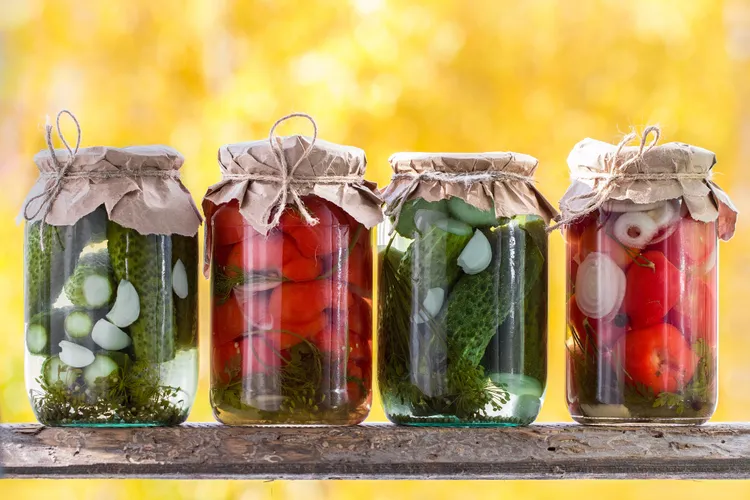
Pickling has a reputation for being complicated, mostly because people conflate it with canning - a genuinely more technical process with real safety requirements around processing time and sealing. Quick pickling, the kind covered in this guide, is a different, much simpler thing: a basic vinegar brine poured over vegetables (or fruit, or eggs) and left to sit in the fridge, ready to eat within hours and gone within a few weeks. No canning equipment, no sealing, no shelf-stable pantry storage - just a jar in the refrigerator.
An Important Distinction: Quick Pickles vs. Canning
Everything in this guide refers to quick pickles, sometimes called refrigerator pickles - brined and stored cold, meant to be eaten within a few weeks rather than stored at room temperature indefinitely. This is a different process from canning, which involves properly sealed jars processed in a water bath or pressure canner to make food genuinely shelf-stable at room temperature for a year or more. Canning has real, specific safety requirements - tested recipes, correct acidity levels, proper processing times - that this guide doesn't cover. If you want to can pickles for long-term, room-temperature pantry storage, look for a canning-specific resource rather than treating the ratios here as a substitute. Our guide comparing quick pickles to fermented ones covers this distinction, along with a third method, in more detail.
The Basic Brine
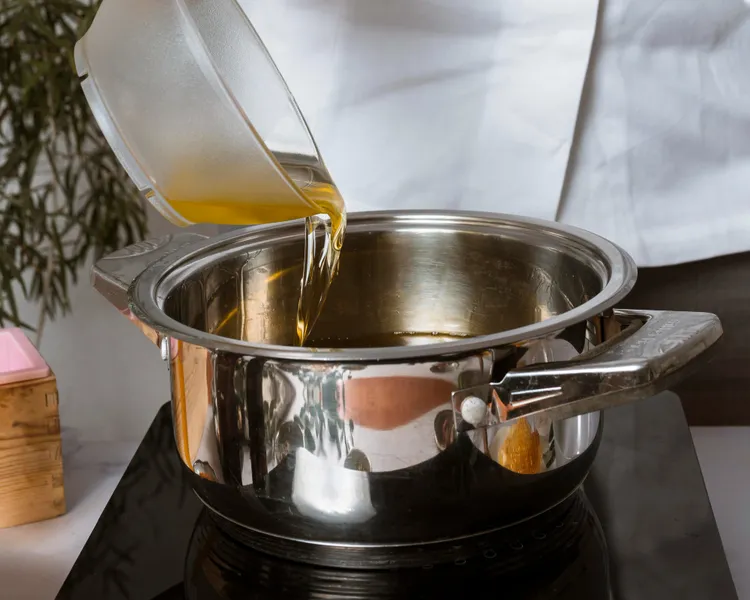
Nearly every quick pickle in this guide starts from the same basic ratio of vinegar, water, salt, and sugar, adjusted slightly depending on what you're pickling and how sweet or sharp you want the result. Our brine ratio guide covers the core formula and how to scale or adjust it, which is the single most useful thing to learn if you want to start improvising your own pickles rather than only following fixed recipes.
How Long Quick Pickles Actually Last
Because quick pickles are refrigerated rather than canned, they don't last indefinitely the way a shelf-stable jar from the grocery store does. Our storage guide covers realistic timelines for different vegetables and how to tell when a batch has passed its best point.
The Recipe to Learn First
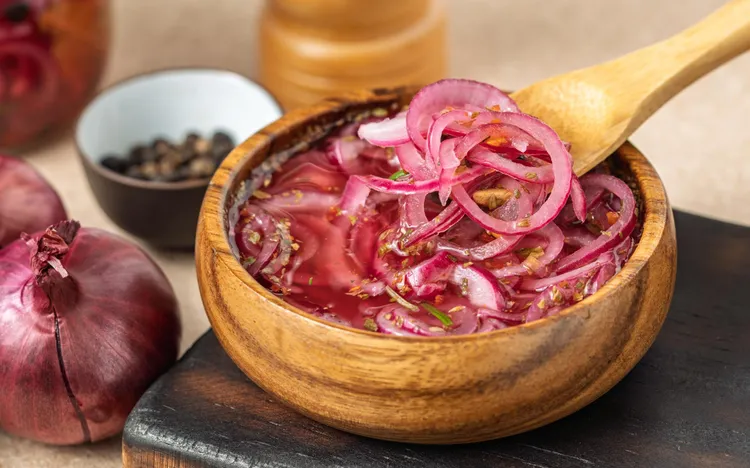
If you only make one quick pickle from this entire guide, make it quick pickled red onions - it's fast, nearly foolproof, and arguably the single most useful condiment a home cook can keep in the fridge, since it improves tacos, sandwiches, salads, and grain bowls with almost no effort.
Classic Vegetable Pickles
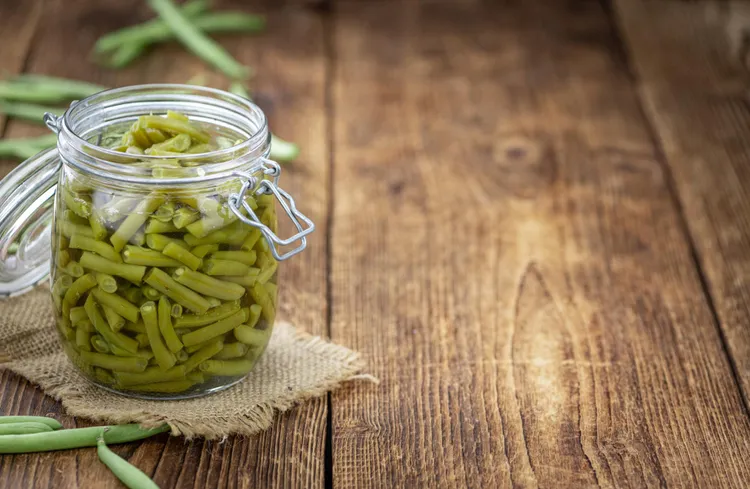
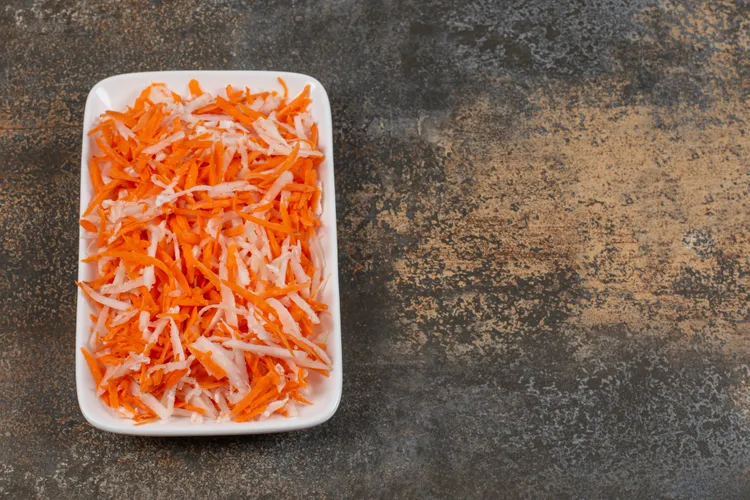
From there, quick pickled cucumbers covers the most familiar pickle of all, made fresher and crunchier than most jarred versions from the store. Quick pickled jalapeños brings a sharper, spicier direction, ideal for tacos and nachos. Pickled carrots and daikon, done Vietnamese đồ chua style, is a traditional preparation worth learning on its own terms rather than as a variation of a Western pickle. And dilly beans - pickled green beans built around fresh dill - is a classic pantry pickle with real staying power.
Beyond Vegetables
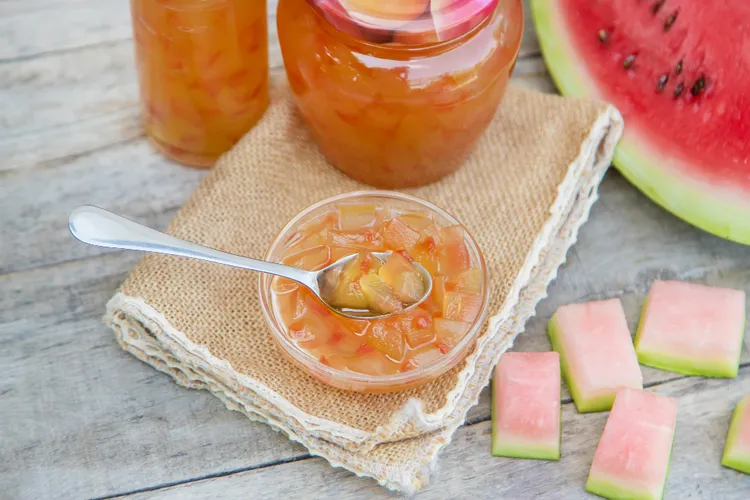
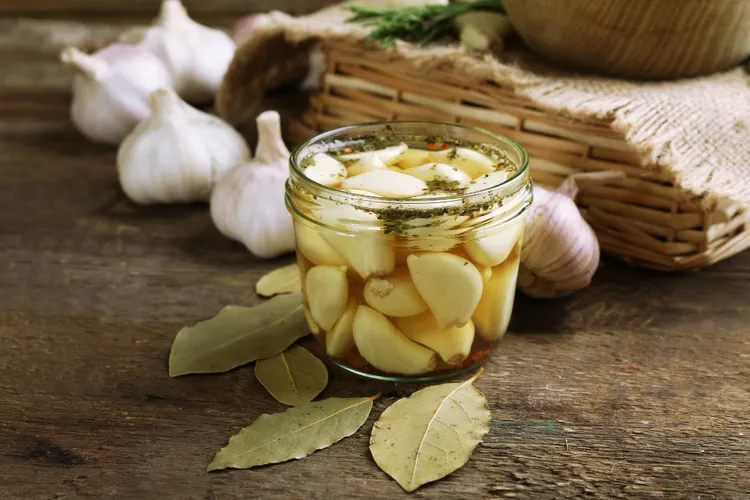
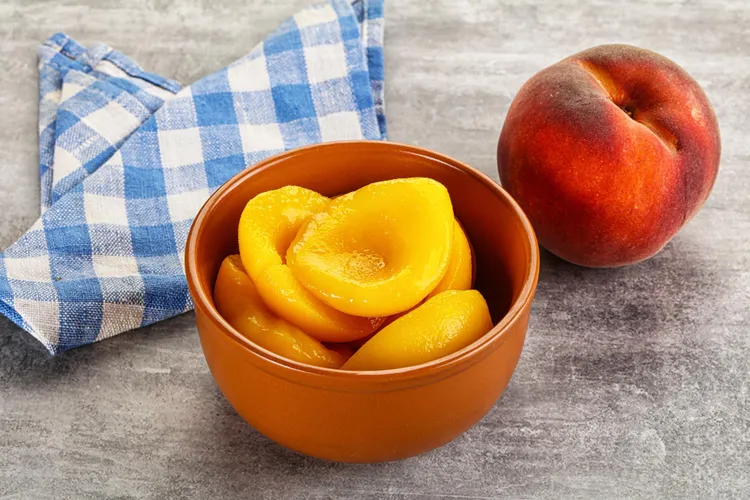
Pickled eggs are a genuinely old-fashioned recipe worth revisiting, with a texture and tang that's distinct from a plain hard-boiled egg. Pickled garlic mellows raw garlic's sharpness into something tangy and genuinely pleasant to eat on its own, a good pantry staple to have going at all times. On the sweeter side, pickled watermelon rind takes a part most cooks throw away entirely and turns it into a genuinely good sweet pickle, and our guide to quick pickling fruit - peaches, grapes, and cherries - shows the technique working well outside vegetables entirely.
Don't Waste the Brine
Once a jar of pickles is gone, the leftover brine still has plenty of flavor and use left in it. Our guide to leftover brine covers what to do with it rather than pouring it down the drain, extending the value of a single batch of brine well past the vegetables it started with.
Building Your Own Pickles
Once the basic ratio feels comfortable, the real fun of pickling is in customizing the spices and add-ins for whatever you're working with. Our flavor and spice guide lays out a framework of aromatics, whole spices, and herbs that work well in a basic brine, so you can build your own combinations rather than only following fixed recipes.
Common Mistakes to Avoid
The most common mistake is using table salt in place of a non-iodized salt like kosher or pickling salt. Iodized table salt can cause the brine to look cloudy and can occasionally affect flavor slightly, and the anti-caking agents added to some table salts can make a brine visibly hazy. Kosher salt or a dedicated pickling salt gives a cleaner-looking, more predictable result.
The second common mistake is pouring hot brine directly over delicate herbs or very thinly sliced vegetables, which can wilt or overcook them before the jar even makes it to the fridge. For delicate ingredients, letting the brine cool slightly before pouring, or pouring it over the vegetables while they're arranged in a heatproof container rather than a fragile one, helps preserve better texture.
A third mistake is expecting quick pickles to taste and last exactly like a canned, shelf-stable jar from the store. Quick pickles are fresher, crunchier, and generally milder than a processed jar, and they need to live in the fridge rather than the pantry - a different product with different strengths, not a lesser version of a canned pickle.
A fourth mistake, particularly relevant to firmer vegetables and whole eggs, is not giving a batch enough time before eating it. Thin slices pickle quickly, sometimes within an hour, but whole cloves of garlic or hard-boiled eggs need real time - days, not hours - for the brine to fully penetrate. Tasting a batch too early and concluding it "didn't work" is a common, avoidable disappointment.
Why Quick Pickling Caught On
Quick pickling's rise in popularity in home kitchens over the past decade or so tracks fairly closely with a broader interest in acid and brightness as tools for balancing rich or heavy food - the same instinct behind finishing a dish with a squeeze of lemon or a splash of vinegar. A jar of pickled onions or jalapeños sitting in the fridge is a low-effort way to have that brightness on hand at all times, rather than needing to build acidity into a dish from scratch every time it's needed. It's also a natural fit for the kind of home cook who already keeps a rotating cast of condiments and sauces on hand - chili crisp, compound butter, a good hot sauce - since quick pickles slot into that same "make it once, use it for weeks" category.
A Note on Equipment
Quick pickling doesn't require any specialized canning equipment - a clean glass jar with a tight-fitting lid (a repurposed jam jar works fine), a small saucepan for warming the brine, and a cutting board are genuinely all you need. This is one of the more accessible pantry techniques covered on this site precisely because it doesn't ask for an upfront investment in gear the way canning does.
Getting Comfortable With the Format
The fastest way to get comfortable with quick pickling is to start with something forgiving - red onions are hard to get wrong and reward you with a genuinely useful result within an hour. Once that feels routine, branching into firmer vegetables, whole eggs, or even fruit becomes a matter of adjusting timing and expectations rather than learning anything fundamentally new.
Why This Technique Is Worth Learning
Quick pickling is one of the best ratios of effort to payoff in home cooking - a few minutes of prep and a brief wait turns plain vegetables into something with real acidity, crunch, and brightness, exactly the kind of contrast that makes rich or heavy dishes taste more balanced. Once you're comfortable with the base ratio, it becomes less a specific set of recipes and more a habit: whatever vegetable is sitting in the fridge starting to look a little tired is a candidate for a quick pickle rather than the compost bin.
Latest