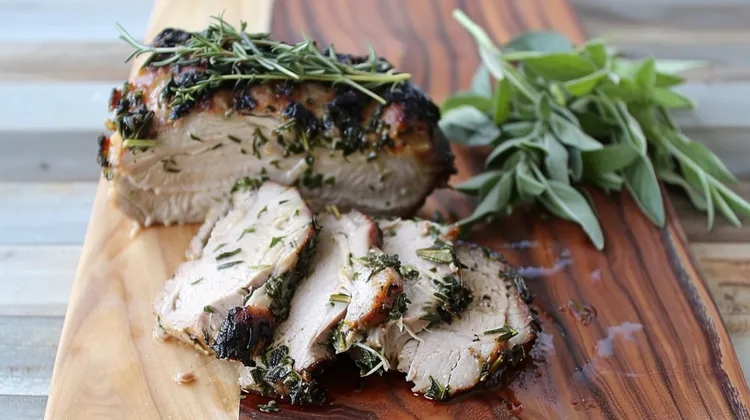
Sage Oil: An Infused Oil for Roasting and Finishing
A sage-infused oil recipe with notes on managing sage's stronger flavor compared to other infused herb oils.
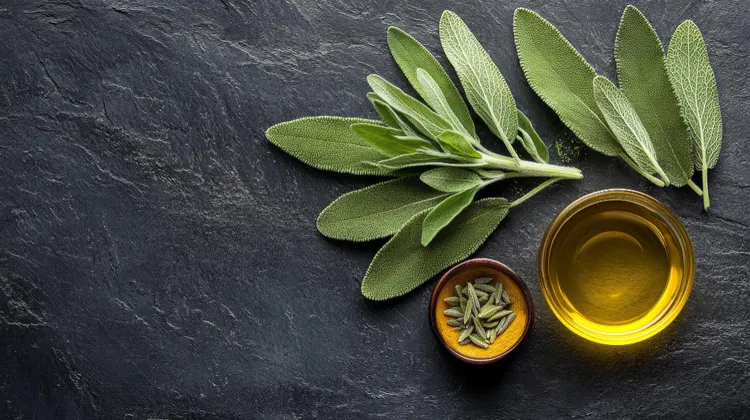
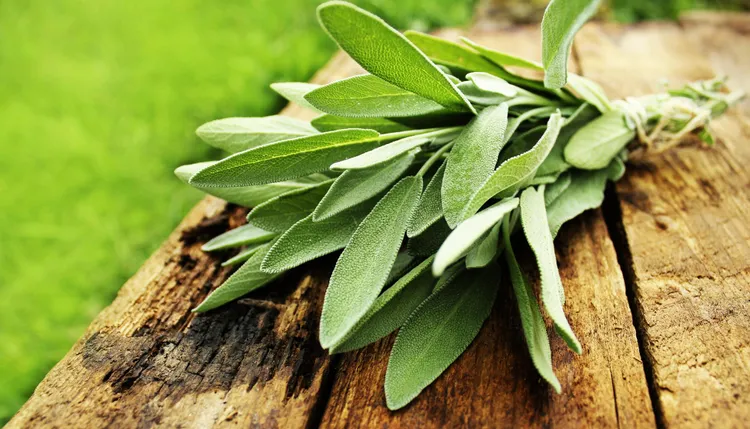
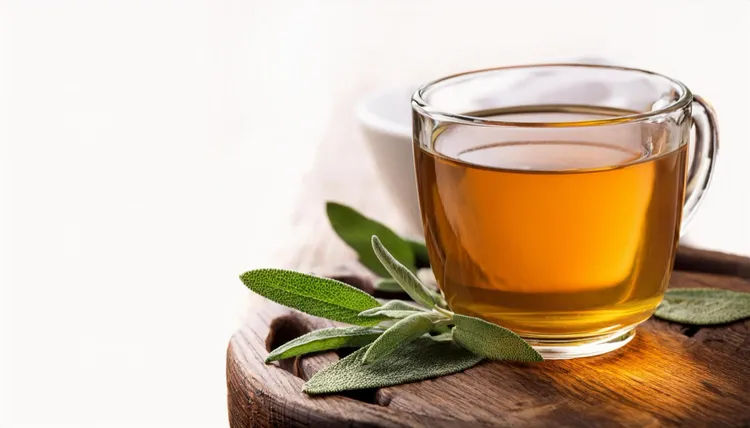
Sage-infused oil captures the herb's bold flavor in a form that's easy to drizzle, roast with, or use as a finishing touch, though it needs a slightly different approach than a delicate herb oil given how much stronger sage's flavor is.
How Sage Oil Differs From Basil or Dill Oil
Basil and dill oil typically rely on a quick blanch to preserve bright color and flavor, since both herbs are delicate and prone to fading. Sage's sturdier leaves and more heat-stable oils mean blanching isn't strictly necessary, and a simple low, slow infusion actually draws out more of its flavor than a quick blanch-and-blend approach would.
How to Make Sage Oil
- Combine 1 cup neutral oil with 1/2 cup fresh sage leaves in a small saucepan
- Warm gently over low heat, never letting it simmer or bubble, for about 10 minutes to infuse
- Remove from heat and let cool completely with the leaves still in the oil
- Strain through a fine mesh sieve once cooled, discarding the leaves
This gentle warming method extracts more of sage's flavor than a cold infusion would, without the risk of frying or scorching the leaves the way a hotter method might.
Food Safety With Infused Oils
The same considerations that apply to any homemade herb-infused oil apply here. Oil creates a low-oxygen environment that can support the growth of Clostridium botulinum if not handled correctly.
- Refrigerate homemade infused oil at all times; never store it at room temperature
- Use within 2 weeks if refrigerated, or freeze for longer storage
- Discard any oil that smells off or has been left unrefrigerated for more than a couple of hours
How to Use It
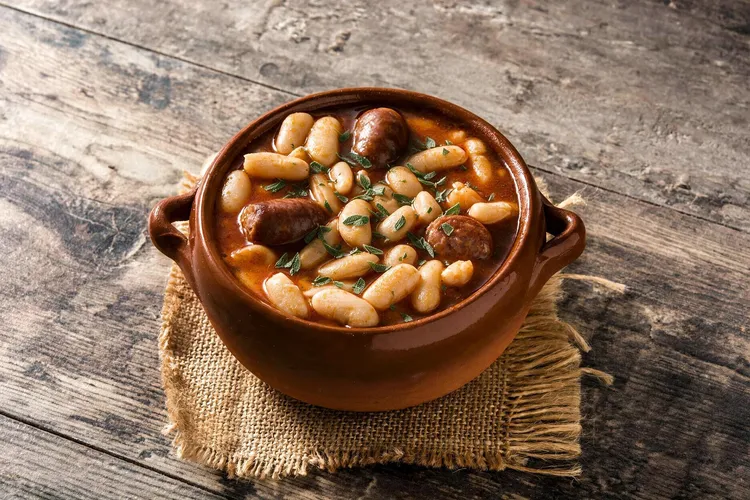
Drizzle over roasted squash, potatoes, or white bean soup. Use as part of a marinade for pork or chicken. Brush over bread before toasting for a quick garlic-and-sage-style crostini base if a small amount of garlic is added to the infusion.
Common Mistakes
- Using the same quantity of sage as a basil oil recipe. Sage's potency means a smaller amount goes further; start with less than an equivalent basil oil recipe would call for.
- Letting the oil simmer or bubble during infusion. This can fry the leaves rather than gently infuse them, leading to a harsher, sometimes bitter flavor.
- Storing at room temperature. This is a genuine food-safety issue, not just a quality one; refrigerate or freeze without exception.
Frequently Asked Questions
Can I combine sage with other herbs in the same oil?
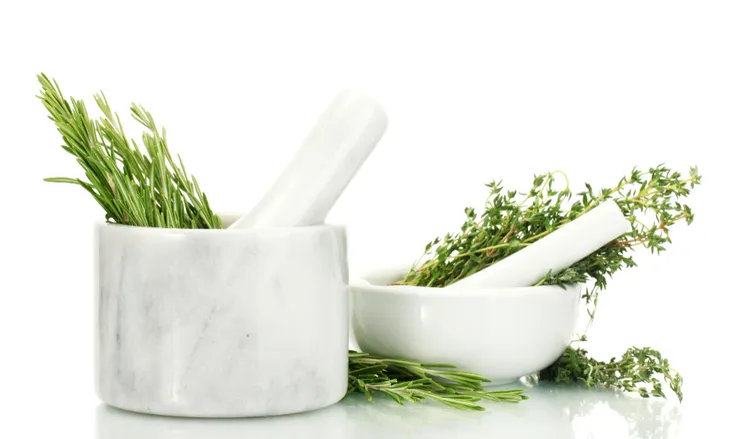
Yes, rosemary and thyme both pair well with sage in an infused oil, since all three are similarly sturdy, heat-stable herbs suited to the same gentle infusion method.
Does sage oil work in baking?
It's mostly suited to savory applications, similar to other herb-infused oils.
How do I know if the oil has gone bad?
An off smell or any sign it's been left unrefrigerated for an extended period are reasons to discard it rather than risk it.
Choosing the Right Oil
A neutral oil like grapeseed or a light olive oil lets sage's flavor come through cleanly. A robust extra virgin olive oil can work too, and unlike with a delicate herb, its stronger flavor complements rather than competes much with sage's own boldness, giving a rounder, more complex finished oil.
Scaling Up for a Larger Batch
The gentle warming method scales easily; just use a larger saucepan and slightly more time if doubling or tripling the recipe, since a bigger volume of oil takes a little longer to come up to the right gentle warmth throughout.
Common Mistakes
- Using the same quantity of sage as a basil oil recipe. Sage's potency means a smaller amount goes further; start with less than an equivalent basil oil recipe would call for.
- Letting the oil simmer or bubble during infusion. This can fry the leaves rather than gently infuse them, leading to a harsher, sometimes bitter flavor.
- Storing at room temperature. This is a genuine food-safety issue, not just a quality one; refrigerate or freeze without exception.
- Straining while still hot. Letting the oil cool fully before straining allows more complete flavor extraction and is safer to handle than straining hot oil.
Frequently Asked Questions
Can I combine sage with other herbs in the same oil?
Yes, rosemary and thyme both pair well with sage in an infused oil, since all three are similarly sturdy, heat-stable herbs suited to the same gentle infusion method.
Does sage oil work in baking?
It's mostly suited to savory applications, similar to other herb-infused oils.
How do I know if the oil has gone bad?
An off smell or any sign it's been left unrefrigerated for an extended period are reasons to discard it rather than risk it.
Is sage oil stronger than sage-infused butter?
They're similar in intensity, though oil tends to distribute more evenly through a dish when drizzled, while butter's richness makes it feel more concentrated in a single application; both are worth having depending on the use.
Tips for Success
Because a batch typically lasts about two weeks refrigerated, mapping out a few roasting or finishing uses over that window in a simple meal plan is a practical way to make sure the full jar gets used before it's time to make more.
Latest