Sage Stuffing and Dressing for the Holidays
A classic sage bread stuffing recipe with make-ahead notes for a busy holiday schedule.
Stuffing is one of sage's biggest annual moments, and getting the herb balance right matters more here than in almost any other dish, since stuffing is often the centerpiece of a much larger, more complicated meal.
Classic Sage Bread Stuffing
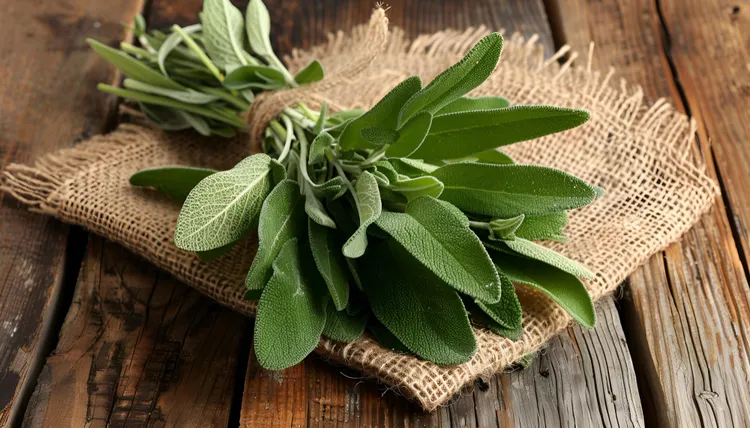
Cube about 1 pound of day-old bread (a sturdy white or sourdough works well) and let it dry out further, either left out overnight or toasted lightly in a low oven. Saute a diced onion and 2 to 3 stalks of diced celery in 4 tablespoons butter until softened, then add 1 to 2 tablespoons finely chopped fresh sage along with a smaller amount of thyme if desired, and cook another minute.
Combine the bread cubes with the onion mixture in a large bowl, then gradually add 2 to 3 cups of warm chicken or vegetable stock, tossing gently until the bread is evenly moistened but not soggy. Stir in 2 beaten eggs to help bind the mixture. Transfer to a buttered baking dish and bake at 350°F (175°C) for 35 to 45 minutes, covered with foil for the first 25 minutes, then uncovered to crisp the top.
Getting the Sage Balance Right
Because sage is the dominant flavor in a classic stuffing, it's worth tasting the sauteed onion and sage mixture on its own before combining it with the bread, adjusting the amount if it tastes notably more bitter or medicinal than savory. This is easier to fix at this stage than after the whole dish is assembled and baked.
Make-Ahead Notes
Several components can be prepared ahead of the main cooking day: cube and dry the bread up to 2 days in advance, and saute the onion, celery, and sage mixture a day ahead, storing it refrigerated. Combine everything and add the stock and eggs close to baking time, ideally the same day, since a fully assembled stuffing sitting too long before baking can turn soggy.
The fully baked stuffing also reheats well, covered, in a 325°F (165°C) oven for about 20 minutes, making it reasonable to bake a day ahead if the main cooking day is especially packed.
Variations
Add cooked, crumbled sausage for a heartier, meat-based version. Dried cranberries or chopped toasted pecans add a sweet or crunchy contrast to the savory base. A cup of sauteed mushrooms works well folded in for an earthier variation.
Common Mistakes
- Using fresh, un-dried bread. Bread that's still soft absorbs stock unevenly and turns mushy rather than holding its structure; make sure the bread is properly dried out first.
- Adding too much sage. This is the most common issue in homemade stuffing; taste the aromatics mixture before combining with the bread rather than guessing.
- Over-moistening the bread. Add stock gradually and stop once the bread is evenly moist but not saturated; it should hold together, not be swimming in liquid.
Frequently Asked Questions
Can I make this stuffing vegetarian?
Yes, use vegetable stock in place of chicken stock; the rest of the recipe is already vegetarian as written.
Can I use dried sage instead of fresh?
Yes, at about a third of the fresh quantity, though many holiday cooks prefer fresh sage here specifically since it's such a central flavor in the dish.
How far ahead can I fully prepare this dish?
The unbaked, assembled stuffing can be refrigerated for up to a day before baking; beyond that, the bread starts to break down too much. Fully baked stuffing keeps and reheats well for a couple of days.
Choosing the Right Bread
A sturdy white bread, sourdough, or a French-style loaf all hold up well to the stock and stay structured rather than turning to mush. Softer sandwich bread tends to break down too much once moistened; if that's what's on hand, dry it out more thoroughly than usual before starting, and use the stock more conservatively than the recipe suggests.
Stuffing vs Dressing
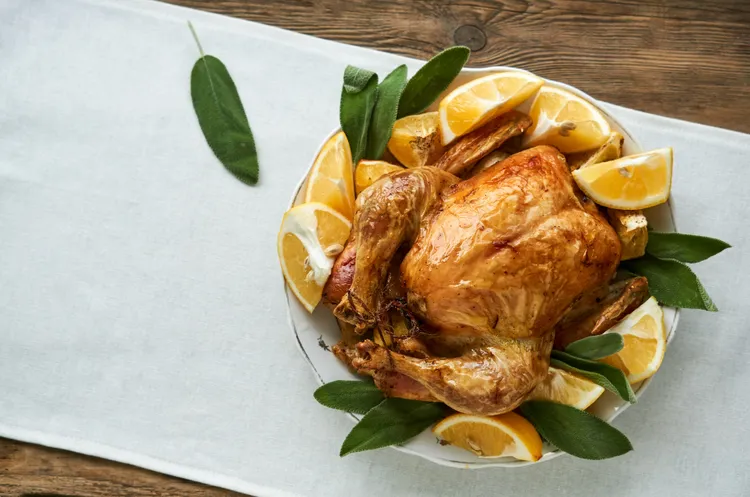
Traditionally, "stuffing" refers to the mixture cooked inside the bird itself, while "dressing" refers to the same mixture baked separately in its own dish, which is the method described above. Baking separately is generally recommended over stuffing inside the bird for food-safety reasons, since it's easier to ensure the mixture reaches a safe temperature throughout when it's not competing with the bird's own cooking time and temperature needs.
Common Mistakes
- Using fresh, un-dried bread. Bread that's still soft absorbs stock unevenly and turns mushy rather than holding its structure; make sure the bread is properly dried out first.
- Adding too much sage. This is the most common issue in homemade stuffing; taste the aromatics mixture before combining with the bread rather than guessing.
- Over-moistening the bread. Add stock gradually and stop once the bread is evenly moist but not saturated; it should hold together, not be swimming in liquid.
- Skipping the covered baking stage. Baking uncovered the whole time can dry out and over-brown the top before the center is fully heated through; the covered stage helps the interior cook evenly first.
Frequently Asked Questions
Can I make this stuffing vegetarian?
Yes, use vegetable stock in place of chicken stock; the rest of the recipe is already vegetarian as written.
Can I use dried sage instead of fresh?
Yes, at about a third of the fresh quantity, though many holiday cooks prefer fresh sage here specifically since it's such a central flavor in the dish.
How far ahead can I fully prepare this dish?
The unbaked, assembled stuffing can be refrigerated for up to a day before baking; beyond that, the bread starts to break down too much. Fully baked stuffing keeps and reheats well for a couple of days.
Can I freeze stuffing?
Yes, both unbaked and baked stuffing freeze reasonably well, though texture is best when it's baked fresh or reheated from refrigerated rather than frozen; if freezing, thaw fully in the fridge before baking or reheating.
Tips for Success
Because stuffing is often one part of a much bigger holiday meal, working its prep timeline into an overall meal plan for the day, accounting for oven space and timing around a turkey or other main dish, helps avoid a last-minute scramble.
Latest