Sage Tea and Other Non-Culinary Kitchen Uses
Brewing sage tea plus a couple of practical, non-culinary kitchen uses for a sage surplus.
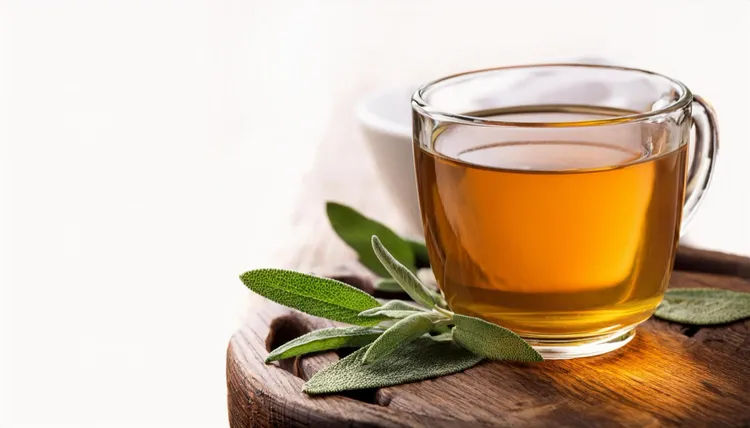
Not every use for a sage surplus involves a recipe in the traditional sense. Sage has a history as an herbal tea and a couple of practical applications around the kitchen that are worth knowing if a plant is producing more than any amount of cooking can use.
Brewing Sage Tea
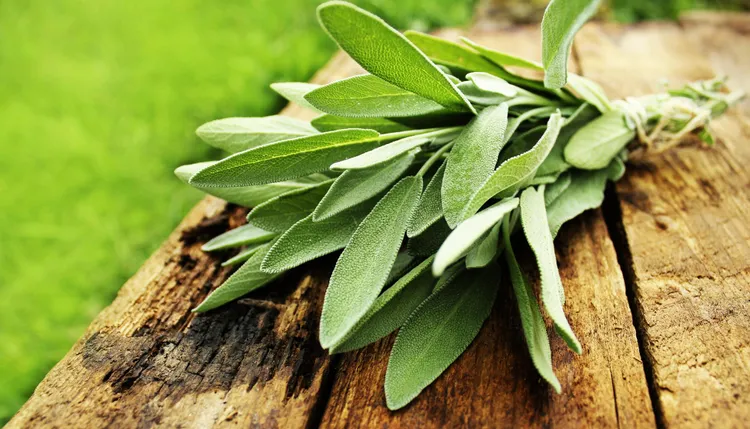
Steep 4 to 6 fresh sage leaves (or 1 teaspoon dried) in a cup of just-boiled water for 5 to 7 minutes, then strain. The flavor is bold, slightly bitter, and herbal, closer to an herbal tisane than a typical black or green tea. A small amount of honey and a squeeze of lemon balance the bitterness for those trying it for the first time.
Sage tea is traditionally associated with soothing a sore throat, though this guide focuses on it purely as a beverage rather than making health claims; if seeking it out for a specific health reason, that's worth discussing with a healthcare provider rather than relying on a recipe blog.
Sage as a Natural Deodorizer
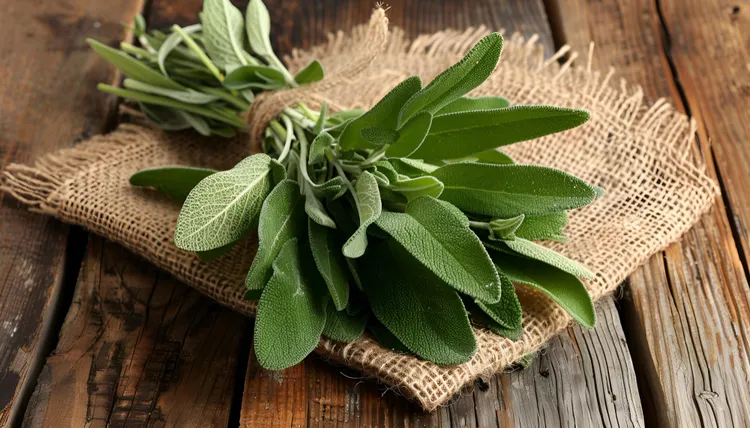
A small bundle of dried sage, similar to the bundles used for drying, can be placed in a drawer or small enclosed space as a natural, pleasant-smelling addition, similar to how dried lavender is sometimes used. This isn't a cleaning product replacement, just a simple way to use a bundle that didn't quite make the cut for cooking.
Sage-Infused Simmer Pot
A few sage sprigs simmered gently in a small pot of water on the stove, along with a cinnamon stick or a few citrus peels, releases a pleasant aroma through the kitchen, a simple, ingredient-based alternative to a commercial air freshener. This is a good use for sage stems or slightly past-prime leaves that aren't ideal for a recipe but still carry plenty of aroma.
Common Mistakes
- Over-steeping sage tea. Sage's bitterness intensifies the longer it steeps; stick to the 5 to 7 minute range rather than letting it sit much longer.
- Using sage tea as a substitute for medical advice. Herbal traditions around sage exist, but this guide doesn't make health claims; treat sage tea as a beverage choice, not a treatment.
- Using overly fresh, prime-quality sage for a simmer pot. Save your best leaves for cooking and use stems or slightly wilted leaves for a simmer pot instead, since the aromatic effect works just as well either way.
Frequently Asked Questions
Does sage tea taste like sage used in cooking?
Yes, the flavor is recognizably the same bold, slightly bitter, resinous character, just diluted into a beverage rather than concentrated in a dish.
Can I sweeten sage tea with anything besides honey?
Yes, a small amount of sugar or a splash of apple juice both work as alternatives if honey isn't preferred.
Is it safe to drink sage tea regularly?
Occasional consumption as a beverage is generally considered fine for most people, but anyone with specific health concerns or who is pregnant should check with a healthcare provider, since some sage compounds are advised against in certain circumstances.
Variations on Sage Tea
A few additions change the character of a basic sage tea without much extra effort: a slice of fresh ginger steeped alongside the sage adds warmth, a cinnamon stick brings a slightly sweeter, more autumnal note, and a mint sprig lightens sage's boldness for a more approachable everyday cup. These are worth experimenting with to find a version that suits your own taste, since straight sage tea's boldness isn't for everyone at first try.
Iced Sage Tea
Brew a stronger batch, using double the sage for the same amount of water, then chill and serve over ice, ideally with a little honey and a squeeze of lemon or lime. This works well in warmer months as a lower-effort alternative to a hot cup, and it's another way to use up sage that isn't quite prime enough for a starring role in a recipe.
Common Mistakes
- Over-steeping sage tea. Sage's bitterness intensifies the longer it steeps; stick to the 5 to 7 minute range rather than letting it sit much longer.
- Using sage tea as a substitute for medical advice. Herbal traditions around sage exist, but this guide doesn't make health claims; treat sage tea as a beverage choice, not a treatment.
- Using overly fresh, prime-quality sage for a simmer pot. Save your best leaves for cooking and use stems or slightly wilted leaves for a simmer pot instead, since the aromatic effect works just as well either way.
- Using boiling water directly on the leaves without checking temperature. Water that's just off a full boil, rather than actively bubbling, extracts sage's flavor a bit more gently and avoids an overly harsh, bitter cup.
Frequently Asked Questions
Does sage tea taste like sage used in cooking?
Yes, the flavor is recognizably the same bold, slightly bitter, resinous character, just diluted into a beverage rather than concentrated in a dish.
Can I sweeten sage tea with anything besides honey?
Yes, a small amount of sugar or a splash of apple juice both work as alternatives if honey isn't preferred.
Is it safe to drink sage tea regularly?
Occasional consumption as a beverage is generally considered fine for most people, but anyone with specific health concerns or who is pregnant should check with a healthcare provider, since some sage compounds are advised against in certain circumstances.
Can I use dried sage for tea instead of fresh?
Yes, dried sage works well for tea, generally at about a third the quantity of fresh, and is a common way sage tea is prepared outside of growing season.
Tips for Success
These non-culinary uses are a good outlet for parts of a sage harvest that aren't quite prime enough for a recipe, stems, slightly wilted leaves, or a surplus bundle after drying is already done, rather than a reason to divert good-quality fresh sage away from cooking or a weekly meal plan built around it.
Latest