Sherry Vinegar: The Spanish Pantry Secret That Makes Everything Taste More Expensive
Sherry vinegar is aged in the same solera system as sherry wine and has a nutty, complex depth that sets it apart from any other cooking vinegar. It costs about the same as a decent bottle of red wine vinegar and does considerably more. Here's how to use it.
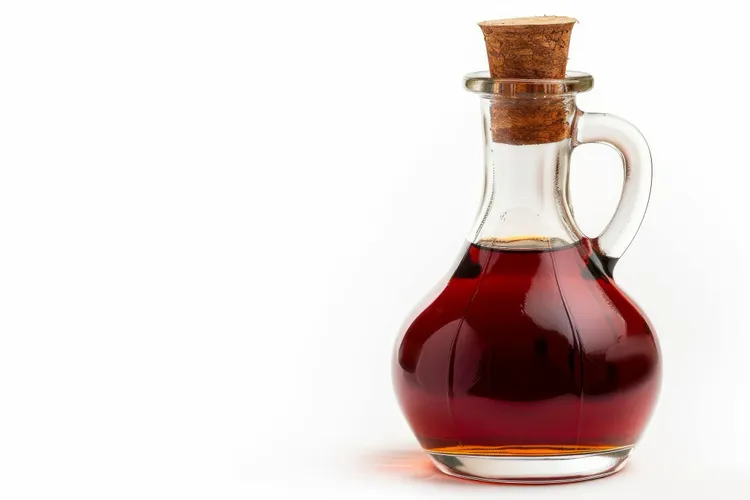
Sherry vinegar is the pantry addition with the highest return on investment for anyone who already has balsamic and white wine vinegar. A good bottle costs $8 to $15, keeps for years, and adds a complexity to dressings, pan sauces, and soups that other vinegars simply don't produce. The nutty, oxidized depth comes from aging in old sherry casks using the solera system - the same process that makes sherry wine distinctive. That character survives the conversion to vinegar and comes through clearly even in cooking.
What Makes It Different
Sherry vinegar (Vinagre de Jerez) is produced under a Denominación de Origen Protegida in the Marco de Jerez region of southern Spain. The base wine is sherry - Palomino, Pedro Ximénez, or Moscatel varieties. The vinegar is aged in the solera system: a series of stacked barrels where young vinegar is continuously blended with older vintages. This fractional blending means the finished vinegar contains components of many vintages, giving it a complexity that straightforward aging doesn't produce.
The minimum aging for Vinagre de Jerez is 6 months. The "Reserva" designation requires 2 years. "Gran Reserva" requires a minimum of 10 years in the solera. The Reserva and Gran Reserva versions are worth seeking for finishing and dressing applications - they have significantly more depth than the basic version.
The flavor profile: nutty, slightly sweet, with dried fruit notes (particularly from Pedro Ximénez-based varieties), and a more savory, walnut-like depth from Palomino-based ones. Acidity is typically 7% - higher than most wine vinegars - but the complexity makes it taste less aggressively sharp than that number suggests. The sharpness is there, but so is a roundness and depth that cushions it.
In Vinaigrettes
Sherry vinegar makes a standout vinaigrette. Given the higher acidity (7%), a 3.5:1 or 4:1 oil-to-vinegar ratio often works better than the standard 3:1 - particularly when using a strongly flavored olive oil. The nutty complexity pairs naturally with smoked paprika, garlic, and flat-leaf parsley for a Spanish-inflected dressing. On bitter greens - radicchio, endive, watercress, frisée - the sherry vinegar's depth cuts through the bitterness without creating a harsh, acidic clash. It's also excellent on warm lentil and roasted root vegetable salads, where the round acid plays against the earthiness of the legumes.
For a full breakdown of vinaigrette ratios adjusted for each vinegar type, see homemade vinaigrette ratios.
In Pan Sauces
This is where sherry vinegar consistently outperforms any other vinegar in home cooking. After searing chicken thighs, duck breast, or a pork chop, deglaze the hot pan with 2 to 3 tbsp sherry vinegar. The acid lifts the fond immediately, producing a tart, complex base. Add 200ml chicken stock, reduce by half, finish with a tablespoon of cold butter whisked in off the heat. The result has more depth than a wine deglaze and takes about 4 minutes total.
For a direct application: juicy pan-roasted chicken thighs - deglaze the fond from the skin-down sear with sherry vinegar instead of wine and build the pan sauce from there. The sherry vinegar gives the sauce a Spanish inflection that works naturally with the rendered chicken fat.
In Soups
Sherry vinegar is the acid that gives authentic Spanish gazpacho its characteristic sharp, complex finish. Roughly 2 to 3 tbsp per 800ml of blended tomatoes, adjusted to taste after blending. The depth integrates in a way that plain white wine vinegar doesn't. Add it after blending and before chilling so you can taste and adjust.
As a finishing acid in other soups - lentil, white bean, roasted vegetable - add 1 tsp per serving just before plating. This approach preserves the sherry vinegar's complexity; long cooking dulls it significantly.
As a Finishing Condiment
Gran Reserva sherry vinegar (10+ years) functions like a high-quality tradizionale balsamic - a few drops over grilled meat, aged cheese, or roasted vegetables, used directly rather than cooked. The depth is substantial enough to stand completely on its own. Try it over a plate of thinly sliced Manchego, over char-grilled asparagus, or as a finishing touch on a simple pan-roasted fish fillet.
In Braises and Long-Cooked Dishes
Sherry vinegar in a long braise adds a savory-sour dimension that works particularly well with chicken, rabbit, pork shoulder, and game birds. The classic Spanish escabeche - a preservation technique where meat is poached in a vinegar-based marinade - uses sherry vinegar as the primary acid. For a weeknight application: add 3 tbsp sherry vinegar to any slow-braised chicken dish about 20 minutes before the end of cooking, then let it reduce into the sauce.
Pairing Suggestions
- Olive oil: The natural pairing - Spanish cooking brings these two together in almost every application
- Smoked paprika: Complements the nutty oxidized character beautifully
- Garlic and fresh herbs: Particularly thyme, rosemary, and flat-leaf parsley
- Honey: Balances the higher acidity in vinaigrettes
- Capers and green olives: Their brine reinforces the complex sour notes
- Manchego and other aged sheep's milk cheeses: Natural affinity
What to Buy
For everyday cooking: any bottle labeled "Vinagre de Jerez" in the $8 to $12 range. Columela, Fernando de Castilla, and Noel are all reliable and widely available. Avoid anything labeled "sherry-flavored vinegar" - that's wine vinegar with flavoring added. For finishing use: a Reserva version makes a noticeable difference in raw applications. Gran Reserva is worth it if you plan to use it as a finishing condiment, but for cooking applications the basic version is fine.
For the full context of sherry vinegar within the vinegar family, see the vinegar renaissance guide.
Sherry Vinegar in Egg Dishes
One of the least discussed applications for sherry vinegar is in egg-based dishes. A small amount - half a teaspoon - stirred into a creamy scrambled egg or folded into an omelette filling adds an acidity that lifts the richness of the eggs without tasting of vinegar. The same principle applies to a Spanish-style tortilla: finish the pan sauce or accompaniment with a splash of sherry vinegar. In hollandaise-adjacent preparations, sherry vinegar reduction (reduced to a glaze with a small amount of water) produces a more complex base than the plain white wine vinegar reduction most recipes use, though the difference is subtle once the butter is in.
Sherry Vinegar With Vegetables
Roasted and braised vegetables develop a depth when finished with sherry vinegar that simple lemon or white wine vinegar doesn't produce. The standard technique: once roasted vegetables come out of the oven, immediately drizzle with 1 to 2 tsp of sherry vinegar while still hot. The residual heat softens the sharpness and the vinegar coats the caramelized surface. Particularly good on roasted peppers (a classic Spanish combination - sherry vinegar, roasted piquillo peppers, olive oil, garlic), roasted eggplant, caramelized onions, and roasted cauliflower. The nutty depth of the sherry vinegar reads particularly well alongside naturally sweet vegetables that have caramelized.
Sherry Vinegar Reduction for Sauces
Reducing sherry vinegar produces something with a complexity that most other reduced vinegars can't match. A basic sherry vinegar gastrique: combine 100ml sherry vinegar with 2 tbsp honey in a small pan. Simmer until reduced by half and slightly syrupy, about 4 to 5 minutes. Cool and use as a drizzle over duck, lamb, aged cheese, or grilled fish. The honey softens the 7% acidity and the reduction concentrates the nutty, dried-fruit notes of the vinegar. This is a versatile sauce component that keeps refrigerated for 2 weeks and takes 10 minutes to make.
Comparing Sherry Vinegar to Balsamic
Both sherry vinegar and balsamic are the "depth" options in the vinegar family - the ones you reach for when you want complexity rather than just acidity. The difference: balsamic is sweeter and more fruity, with the grape character clearly present. Sherry vinegar is drier, nuttier, and more savory, with the oxidized wine character of the sherry base coming through. Balsamic dominates anything it's in; sherry vinegar integrates more subtly. For dressings where you want complexity without sweetness, sherry vinegar is more versatile. For glazes and reductions where a sticky sweetness is desirable, balsamic has the advantage. Most kitchens should have both - they serve different purposes and are not genuinely interchangeable despite both claiming the "complex finishing vinegar" category.
Sherry Vinegar in Spanish Tapas
Several classic Spanish tapas require sherry vinegar as a primary flavor component. Boquerones en vinagre (white anchovies marinated in vinegar) use it as the curing acid - the vinegar denatures the anchovy proteins in the same way ceviche works, producing a tender, bright white fillet. The classic ratio: 150g fresh anchovies, covered with sherry vinegar and refrigerated for 4 to 8 hours until the flesh turns opaque white, then dressed with olive oil, garlic, and flat-leaf parsley. The sherry vinegar gives these a rounded, complex sourness that white wine vinegar can't quite match. Berberechos (cockles) in sherry vinegar, pickled vegetables (encurtidos), and vinegar-dressed olives all use sherry vinegar for the same reason: the flavor is present enough to define the dish but complex enough not to taste simply sharp.
The Solera Aging System and What It Means for Flavor
Understanding the solera system helps you understand why sherry vinegar tastes the way it does and why no other production method produces the same result. The solera is a series of barrels arranged at different heights. The newest vinegar goes into the top barrels; the most finished vinegar comes from the bottom barrel, which is partially emptied and refilled from the barrel above it, which is refilled from the one above that, in a continuous cascade. Because no barrel is ever fully emptied, the bottom barrel always contains vinegar from many previous years alongside the new addition. This means a sherry vinegar labeled "Reserva" (2-year minimum) actually contains components that are much older than 2 years, carried down from earlier additions. The result is a complexity and consistency that straight-aged vinegar - aged from a single starting point for a fixed period - doesn't have.
Using Sherry Vinegar to Rescue Flat Dishes
One of the most practical uses for sherry vinegar is as a finishing corrective for dishes that are almost right but slightly flat. A soup that cooked for too long and lost its brightness: add 1 tsp sherry vinegar per serving just before plating, stir, taste. A braised dish that's savory but monotonous: same approach. A risotto that's rich but needs lifting: a few drops of sherry vinegar stirred in at the end. The nutty depth of the sherry vinegar doesn't announce itself as vinegar - it reads as complexity and balance. This technique works because most long-cooked dishes benefit from a final acid adjustment that restores the perception of freshness without changing the fundamental flavor of the dish. Sherry vinegar is the best choice for this because its complexity adds as much as the acid does - a squeeze of lemon would accomplish the same acid lift but without the depth contribution.
Sherry Vinegar Versus Balsamic: A Direct Comparison
In dressings on arugula with shaved Parmesan: sherry vinegar is drier, nuttier, and lets the peppery arugula flavor stay prominent; balsamic is sweeter and heavier, which can make the same salad feel more like a dessert than a savory course. In a pan sauce for chicken: sherry vinegar produces a more savory, complex sauce; balsamic produces a sweeter, glossier sauce that needs less added sugar if you want a glaze. As a finishing condiment on aged cheese: sherry vinegar Reserva is sharp and focused, cutting through the fat; balsamic has a sweeter, more fruit-forward quality. Neither is universally better - the choice depends on whether you want the sweet-acid profile (balsamic) or the dry-complex-acid profile (sherry). Most kitchens that have one should eventually get the other.
Quick Reference: Sherry Vinegar Amounts by Application
Vinaigrettes: 1 tbsp per 4 tbsp olive oil (at a 4:1 ratio given the higher acidity). Pan sauces: 2 to 3 tbsp to deglaze a single-portion pan. Gazpacho: 2 to 3 tbsp per 800ml blended tomatoes. Finishing soup: 1 tsp per serving added just before plating. As a finishing condiment (Reserva or Gran Reserva): 3 to 5 drops per portion. Braises: 2 to 3 tbsp per 500ml braising liquid, added in the last 20 minutes. Roasted vegetables: 1 to 2 tsp drizzled immediately out of the oven over a 400g portion. These amounts are starting points - sherry vinegar's higher acidity (7%) means less is often enough. Taste before adding more.
Latest