The Solo Kitchen Toolkit: What You Actually Need (And What's Wasted Space)
The gear that makes cooking for one easier - the right pan sizes, single-portion storage, the one knife worth owning - without buying a bunch of stuff that just takes up space.
Most kitchen gear advice is written for people who cook regularly for four or more. A 28cm cast iron skillet, a 5-litre stockpot, a full set of matching pans - this equipment makes sense in that context. In a solo kitchen, half of it is just things to move when you're looking for the pan you actually use.
The Core Pans (You Need Three)
A 20cm non-stick frying pan
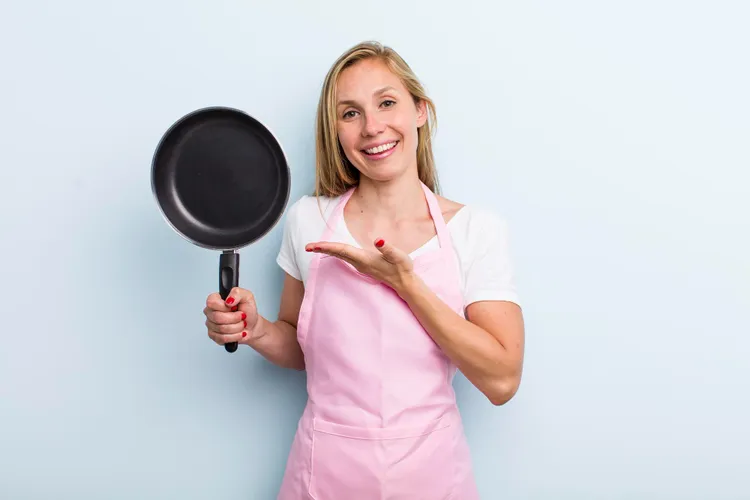
This is the most important piece of equipment in a solo kitchen. It's right for eggs (always), for searing one chicken thigh, for a single-serving stir-fry, for a small omelette. A 24cm pan is too big - a single egg spreads thin and cooks too fast. A 20cm pan, properly seasoned non-stick, does everything. Budget option: any decent non-stick in the £15-25 range. Don't spend more than £35 - non-stick coatings degrade over time regardless of price, and you'll replace it every few years.
A 16cm saucepan
For one portion of pasta water (1.5 litres is plenty), soups scaled to one, single-serve sauces, cooking a single portion of grains. A larger saucepan means your sauce spreads too thin, reduces too fast, and scorches more easily. 16cm is the right size for one person's sauce or liquid cooking.
A small sheet pan (about 30x20cm)
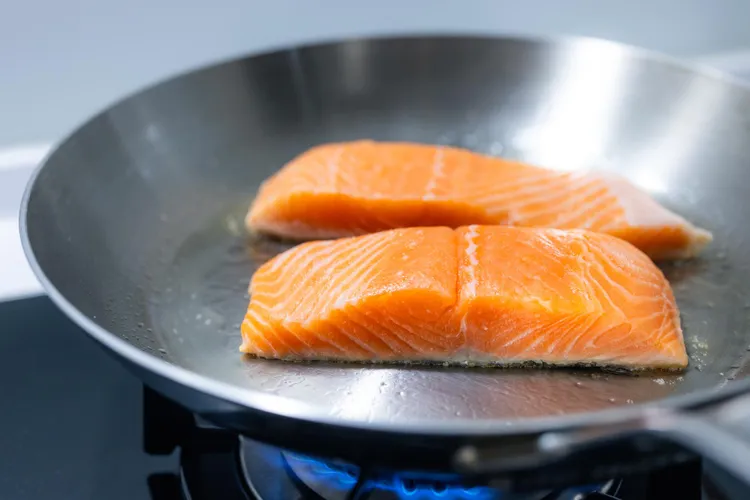
For roasting a single portion of veg, for one chicken thigh in the oven, for the solo date night salmon. A full-sized baking sheet is too big - the food spreads out too thinly, the pan edges too far from the food, and it takes longer to heat. A smaller pan roasts more efficiently for small quantities.
The Knife (You Need One)
One good knife, kept sharp, handles everything. An 18cm chef's knife is the right size for a solo kitchen - large enough to be efficient, small enough to control for detailed work. Spend £30-60 on a decent knife (Victorinox Fibrox is the standard recommendation at this price point) and learn to keep it sharp with a honing steel. A sharp £40 knife outperforms a blunt £200 knife on every task.
You do not need: a bread knife (a sharp chef's knife handles bread), a paring knife (useful but not essential), a carving knife (you're not carving turkeys), or any specialist single-use tool.
Storage: The Most Underrated Category
Good single-portion storage containers make batch cooking viable and reduce waste. The format matters: you want containers in two or three sizes that stack neatly. A set of 300ml and 500ml glass containers with lids (glass because you can see what's in them, heat them directly, and they don't absorb smells) covers 90% of storage needs. Plastic is fine too - the key is consistent sizing so they stack without chaos.
Small zip-lock bags (sandwich size) are useful for freezing single portions of grains flat. Label everything before it goes in the freezer - masking tape and a marker is the system that actually works.
What You Don't Need
- A stand mixer: If you bake occasionally at single-serving scale, a hand whisk or a £15 hand mixer is enough
- A large food processor: A small blender (like a NutriBullet or similar) handles the tasks one person actually needs - blending soup, making a sauce, quick smoothie. A full food processor is overkill for most solo cooks.
- Matching pan sets: These are sold as a package but you'll use 2 of the 5 pans. Buy what you need individually.
- Specialist gadgets: Rice cookers, egg cookers, sandwich makers, panini presses. Unless you eat the same thing every single day, these live in a cupboard 350 days a year.
- A large cutting board: A medium board (30x25cm) is plenty for one person's prep. Large boards are awkward to clean and store in small kitchens.
The Useful Additions (After the Basics)
Once you have the core equipment sorted, these are genuinely useful second-tier additions:
- Kitchen scales: More useful than measuring cups for solo cooking - especially for pasta portioning, baking, and scaling recipes. A cheap digital scale is enough.
- A microplane grater: For parmesan, lemon zest, garlic, ginger. The difference between pre-grated parmesan and freshly microplaned is significant.
- A small cast iron or carbon steel pan: Once you can afford it and have space, a 20cm cast iron pan gives better searing results than non-stick and lasts forever. Not essential, but a good investment over time.
- A lid that fits your non-stick pan: Useful for steaming, finishing eggs, reducing sauce. Often sold separately - worth having one that fits.
Total Cost to Set Up a Functional Solo Kitchen from Scratch
20cm non-stick pan (£20) + 16cm saucepan (£15) + small sheet pan (£10) + chef's knife (£40) + storage containers, 6-piece set (£20) + kitchen scales (£10) = roughly £115. Everything else is optional. This covers everything described in the complete cooking for one guide and all the recipes in the supporting articles.
Latest