Amchur, Sumac, and Kokum: The Underrated Souring Agents Behind Swangy Cooking
Amchur, sumac, and kokum are dried-fruit souring agents that deliver the tangy component of swangy cooking with no added liquid, minimal calories, and a complexity that citrus juice alone cannot match. This guide profiles all three with sourcing, macros, and practical uses.
Most home cooks default to lemon juice or vinegar when a dish needs acid. Both work, but they add liquid, they dilute other flavours, and they have a relatively simple acid profile. Dried souring agents do something different: they deliver concentrated fruit acid with no added liquid, and each one brings its own secondary flavour dimension that makes the dish more interesting. Once you stock all three, reaching for the lemon juice starts to feel like settling.
Amchur (Dried Mango Powder)
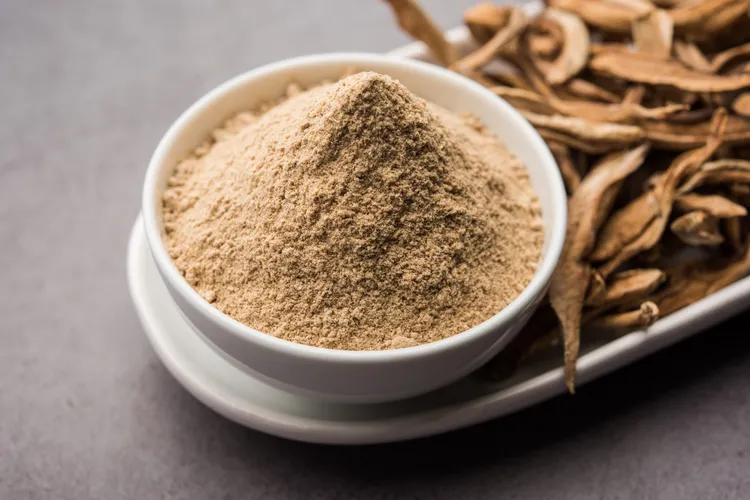
Made by drying and grinding unripe green mango, amchur delivers a distinctly fruity sourness with a slight sweetness underneath - it is the purest swangy single ingredient of the three. The green mango's natural sugars are still present, just concentrated, which gives amchur a rounder flavour than pure acid.
- Flavour profile: Sharp, fruity, tangy with light sweetness. Mango-forward in aroma.
- Macros per tsp (~3g): ~10 kcal, 0g fat, 2.5g carbs
- Where to buy: Any Indian grocery store, £1.50-3 for 100g. Online from Spice Mountain, Sous Chef. Essentially every Indian supermarket stocks it year-round.
- Shelf life: 12-18 months in an airtight container away from heat and light
How to Use Amchur
- In dry rubs and spice mixes: 1/2 tsp amchur in a chicken or fish rub adds tangy complexity without making the surface wet. Particularly good on anything going under a grill or into a hot pan.
- Finishing flatbreads and fritters: Sprinkle over aloo tikki, pakoras, or grilled flatbread immediately after cooking. The classic Indian application.
- In dals and lentil dishes: 1 tsp stirred in 5 minutes before serving adds brightness that wakes up a slow-cooked dish. Replaces lemon juice without the liquid.
- In swangy dressings: Mix 1 tsp amchur into a yoghurt dressing with cumin and coriander for an instant raita-style sauce with real tang.
Sumac
Ground from the dried berries of the Rhus coriaria shrub, sumac is the primary souring agent of Levantine and Turkish cooking. Its acid profile is lemony but more complex - there are tannins from the berry skin that give sumac a slightly astringent quality and a longer-lasting sourness than citrus.
- Flavour profile: Tart, lemony, slightly astringent, earthy. More complex than lemon; less sweet than amchur.
- Macros per tsp (~3g): ~9 kcal, 0g fat, 2g carbs
- Where to buy: Most large UK supermarkets now stock it (Waitrose, Sainsbury's, M&S). Middle Eastern grocers for better quality and lower price - ~£2-4 per 100g. Good quality sumac is deep burgundy-red; pale orange sumac has lost its potency.
- Shelf life: 12 months; volatile aromatics fade faster than amchur
How to Use Sumac
- Finishing everything: Sumac is primarily a finishing spice - sprinkle over hummus, grilled fish, roasted vegetables, salads, or eggs before serving. It turns almost any dish immediately more interesting.
- In fattoush and grain salads: The classic Lebanese application - sumac dressing on a salad with toasted bread. The tannins help the dressing cling to vegetables.
- With onions: Thinly slice onions, toss with sumac and a little salt, leave for 10 minutes. The sumac draws out the onion's moisture and tempers the sharpness. An instant condiment for kebabs, tacos, or flatbreads.
- On crispy brussels sprouts: Sprinkle over crispy roasted sprouts instead of (or alongside) the chilli sauce for a more complex tangy note.
Kokum
The least-known of the three outside India. Kokum is the dried rind of the Garcinia indica fruit, used almost exclusively in coastal Indian cuisine - particularly Konkani, Maharashtrian, and Goan cooking. Its sourness is deeper and more savoury than amchur or sumac, with a slight floral note and a colour that turns any liquid a deep magenta.
- Flavour profile: Deep, savoury-sour, slightly floral, faintly sweet. The most funky of the three - closest to a souring agent with a fermented quality.
- Macros per piece (~5g dried): ~12 kcal, 0g fat, 3g carbs
- Where to buy: Indian grocery stores specialising in South Indian or Maharashtrian products. Online from Spice Mountain and Indian food retailers. ~£2-4 per 50g pack.
- Shelf life: 12+ months dried
How to Use Kokum
- In fish curries: 2-3 dried kokum pieces added to a fish curry as it simmers provide the characteristic sour depth of Goan cuisine. Remove before serving (like a bay leaf).
- Kokum sherbet: Soak 4-5 pieces in 500ml water for 30 minutes. Strain, add sugar and a pinch of salt. An intensely refreshing, deeply swangy cold drink. See also the swangy drinks guide.
- In dal: Replaces tamarind in South Indian-style dals with a slightly more complex, floral result.
Comparing the Three
- Fastest to use: Sumac (sprinkle directly, no prep)
- Most fruity and swangy: Amchur
- Most complex and funky: Kokum
- Most versatile: Sumac
- Best value: Amchur (most uses per gram)
All three belong in a swangy pantry. Together they cover the tangy component of swangy cooking in dry form across Indian, Middle Eastern, and coastal cuisines. For the full swangy ingredient system, see the Complete Guide to the Swangy Flavour Movement.
Latest