The Ultimate Plant-Based Burger
The patty that holds together on the grill. The burger build that delivers. The recipe that earns its place alongside any version.
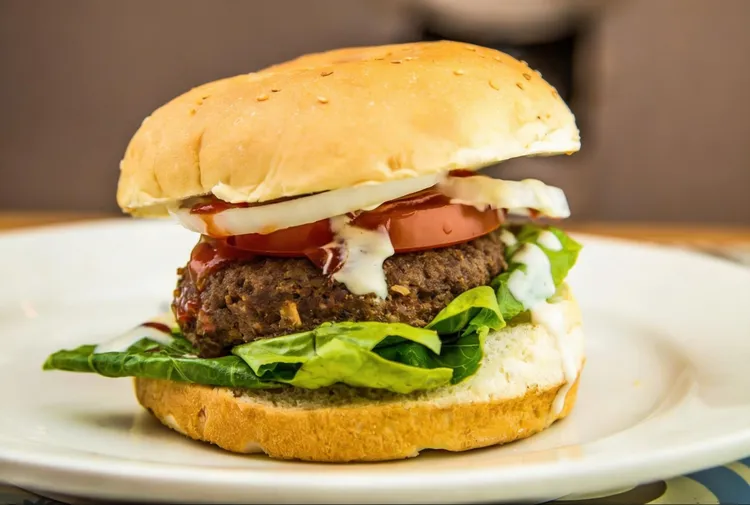
The homemade plant-based burger has a reputation it doesn't deserve. Ask most people who have made one and you get the same story: a patty that looked promising in the bowl, fell apart in the pan, and arrived at the table as a pile of well-seasoned crumble rather than a burger. The solution - according to most - is to buy a commercial plant-based burger instead.
The commercial option is good. The Impossible Burger, the Beyond Burger, and a handful of artisan alternatives have genuinely impressive texture and binding. But they are expensive, they are processed, and most of them taste of "plant-based burger" in a category way rather than tasting of specific, identifiable, excellent ingredients.
This homemade version is built around black beans and mushrooms - ingredients with their own flavour - and it solves the structural problem (the falling apart) with a specific technique rather than additives. The result is a patty with a proper crust, a dense, slightly chewy interior, and the flavour of what it is made from. It holds together. It gets a good sear. It works on the grill and in the pan.
The technique is three steps, all of which matter: drying the beans, caramelising the mushrooms, and chilling the formed patties before cooking. Skip any one of them and the patty reverts to crumble. Follow all three and you have a burger worth building a meal around.
Why Homemade Patties Fall Apart - and How to Fix It
Plant-based burgers fall apart for one reason: too much moisture. Bean burgers, mushroom burgers, lentil burgers - all are made from high-moisture ingredients that, if not treated correctly, release liquid during cooking, turning the patty from a solid cake into a wet mass that disintegrates.
The three fixes:
1. Dry the beans thoroughly. After draining canned beans, spread them on a sheet pan and bake at 180°C for 15 minutes. This removes surface and internal moisture, concentrating the bean's starch (which acts as a binder) and preventing the wet, pasty interior that causes patties to fall apart.
2. Caramelise the mushrooms until completely dry. Mushrooms are approximately 92% water. That water must be driven off before the mushrooms are added to the patty mix - otherwise they release it during cooking. Cook the diced mushrooms over high heat, without stirring, until they are reduced, golden, and dry. There should be no visible moisture in the pan when they are ready.
3. Chill the formed patties before cooking. Refrigerating the formed patties for at least 30 minutes (overnight is better) allows the starches and binding agents to firm up. A cold patty goes into a hot pan with structural integrity; a room-temperature patty is still soft and fragile.
These three steps - 15 minutes of oven-drying, 8 minutes of mushroom caramelisation, 30 minutes of refrigeration - are the difference between a burger that works and one that doesn't.
Ingredients
Makes 4 patties | Active time: 25 minutes | Chilling: 30 minutes minimum (overnight preferred)
The Patty
- 400g canned black beans, drained and rinsed (about 240g drained weight) - black beans have the best flavour and colour for this recipe; kidney beans are a good substitute
- 200g chestnut mushrooms, very finely diced (almost minced - the smaller the pieces, the better they bind)
- 1 small red onion, very finely diced
- 3 cloves garlic, minced
- 60g rolled oats - blended briefly to a coarse flour in a food processor or blender; the oat flour is the primary binder
- 2 tbsp ground flaxseed mixed with 3 tbsp water (leave for 5 minutes to gel - this is the "flax egg," the binding agent)
- 2 tbsp tamari or soy sauce - seasoning and umami
- 1 tbsp smoked paprika
- 1 tsp ground cumin
- 1 tsp garlic powder
- ½ tsp onion powder
- ½ tsp chili flakes (optional - for heat)
- 2 tbsp tomato paste
- 1 tbsp olive oil (for cooking the mushrooms and onion)
- Salt and black pepper
The Burger Build
- 4 good burger buns - brioche-style (many are vegan; check the label) or a sturdy sesame bun
- Vegan mayo - see quick recipe below
- 4 leaves of iceberg or Little Gem lettuce
- 2 medium tomatoes, thickly sliced
- 1 red onion, sliced into rings
- Pickles - dill pickles sliced, or bread and butter pickles
- Caramelised onions (optional but excellent - see variation below)
- Mustard and ketchup to taste
Quick Vegan Mayo
- 200ml aquafaba (the liquid from a can of chickpeas) - the protein in aquafaba emulsifies oil exactly as egg yolk does
- 1 tsp dijon mustard
- 1 tbsp lemon juice
- ½ tsp white wine vinegar
- ½ tsp salt
- 200ml neutral oil (sunflower or light olive oil) - added in a very thin stream while blending
Method: Blend aquafaba, mustard, lemon juice, vinegar, and salt until frothy (30 seconds). With the blender running, add the oil in the thinnest possible stream - almost drop by drop at first, then a very thin trickle. The emulsification happens in the first tablespoon; after that, oil can be added more quickly. The result is a thick, creamy mayo indistinguishable from the egg-based version.
Method
Step 1: Dry the beans (15 minutes)
Preheat the oven to 180°C (fan). Drain and rinse the black beans. Spread in a single layer on a sheet pan lined with parchment. Bake for 12-15 minutes until the bean skins look dry and slightly wrinkled - they should feel noticeably drier than when they came out of the can.
Allow to cool. Do not proceed to mashing warm beans - they are stickier and harder to work with.
Step 2: Caramelise the mushrooms and aromatics (10 minutes)
Heat 1 tbsp of olive oil in a frying pan over high heat. Add the diced mushrooms in a single layer. Cook undisturbed for 3 minutes - the mushrooms will release their moisture; wait until this evaporates and the pan is dry again.
Stir and continue cooking for 2-3 more minutes until the mushrooms are golden-brown and completely dry. Add the diced onion and cook for 2 more minutes until softened. Add the garlic and cook for 1 minute.
Add the tomato paste and stir for 60 seconds until it darkens slightly. Remove from heat and allow to cool completely before adding to the patty mixture.
Step 3: Make the flax egg
Combine 2 tbsp of ground flaxseed with 3 tbsp of water. Stir and leave for 5 minutes - the flaxseed absorbs the water and gels into a thick, slightly viscous mixture that functions as a binder in the same way as egg.
Step 4: Blend the oats
Pulse the rolled oats in a food processor or blender 8–10 times until they reach a coarse flour consistency - not as fine as commercial oat flour, but with no large whole oats remaining. This coarse flour provides structure without making the patty dense.
Step 5: Combine the patty mix
In a large bowl, mash the cooled dried beans with a fork or potato masher. Do not blend - the texture should be rough, with some whole bean pieces remaining. Completely smooth beans produce a patty with no internal texture.
Target texture: Approximately 70% mashed (smooth), 30% whole or half beans. This ratio produces a patty with both binding cohesion and textural interest.
Add the cooled mushroom mixture, oat flour, flax egg, tamari, smoked paprika, cumin, garlic powder, onion powder, chili flakes, salt, and pepper. Mix thoroughly with your hands - squeezing and turning the mixture until completely combined and it holds its shape when pressed.
Test the mixture: Take a small portion and press firmly into a disc. Place it on the counter. It should hold its shape cleanly with no cracking or crumbling. If it crumbles: add another tablespoon of oat flour. If it is too wet: add another tablespoon of ground flaxseed. Adjust and test again before forming all four patties.
Step 6: Form and chill the patties
Divide the mixture into 4 equal portions (approximately 150g each). With wet hands (dipping hands in cold water prevents sticking), form each portion into a patty approximately 1.5cm thick and slightly wider than the bun (they shrink slightly during cooking).
Place the patties on a parchment-lined plate or tray. Refrigerate uncovered for a minimum of 30 minutes - overnight is significantly better. The cold firms the starches and binding agents, producing a patty that goes into the pan with structural integrity.
Step 7: Cook the patties
For a skillet/hob: Heat 1 tbsp of oil in a heavy-based or cast iron pan over medium-high heat until shimmering. Add the cold patties. Cook undisturbed for 4-5 minutes - do not press, do not move. The crust must form before the patty can be moved; moving it early tears the crust and causes breakage.
When a golden-brown crust has formed on the base (lift one edge carefully to check), flip once. Cook for 4-5 minutes on the second side.
For the grill (BBQ): Brush patties with oil on both sides. Grill over medium heat (not roaring hot - the patties need time to warm through before the exterior burns). 5 minutes per side. Place on a section of the grill that is slightly cooler than the hottest part.
For the oven: Bake at 200°C (fan) on an oiled, preheated sheet pan for 20 minutes, flipping once at 10 minutes. Less flavourful crust than pan-frying but very reliable for large batches.
Step 8: Build the burger
Toast the buns - cut-side down in the dry pan for 60 seconds, or under the grill until golden. A toasted bun provides structural integrity and a flavour contrast to the filling.
The build order (bottom bun up):
- Vegan mayo - spread generously on the bottom bun
- Lettuce - provides a moisture barrier between bun and fillings
- Tomato slices, seasoned with salt and pepper
- The hot patty
- Pickles
- Caramelised onions (if using)
- Mustard and ketchup on the top bun
- Top bun
Four Burger Variations
The Classic Smash Burger Style
Divide the patty mixture into portions of 80g rather than 150g. Form into rough balls - do not flatten. Place one ball in the hot, well-oiled pan over very high heat. Immediately press firmly down with a spatula until it is as thin as possible - 5-7mm. Season immediately. Cook for 2 minutes, flip, cook 1 more minute. Stack two thinner smashed patties per bun. The increased surface area of two thin patties produces more crust-to-interior ratio - arguably the best version.
The BBQ Mushroom Double
Add 2 tbsp of your favourite BBQ sauce to the patty mixture before forming. Top the cooked patty with a whole roasted portobello mushroom (brushed with BBQ sauce, roasted at 200°C for 15 minutes), melted vegan cheese, and coleslaw. The combination of the seasoned patty and the meaty, sauced portobello is substantial and deeply satisfying.
The Spicy Korean-Inspired
Replace the smoked paprika with 2 tbsp of gochujang (Korean chili paste) in the patty mixture. Serve with a kimchi slaw (shredded cabbage, gochugaru, rice vinegar, sesame oil, julienned carrot), vegan mayo, and sesame seeds. The heat of the gochujang and the tang of the kimchi slaw is one of the best burger combinations in this collection. See the Kimchi recipe for homemade kimchi.
The Mediterranean
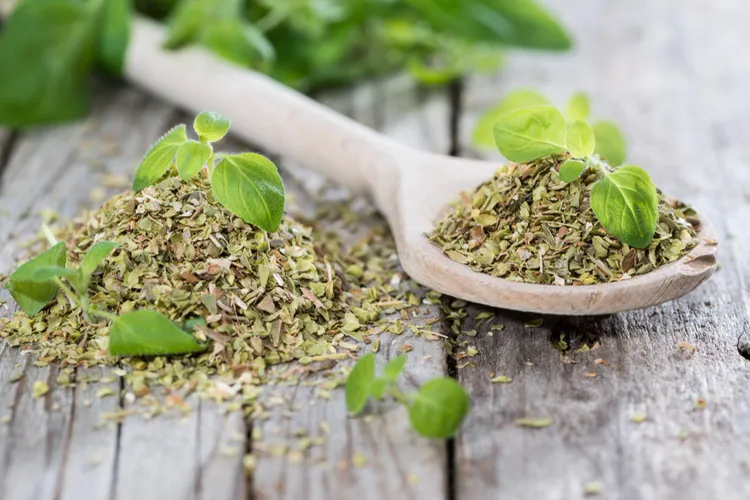
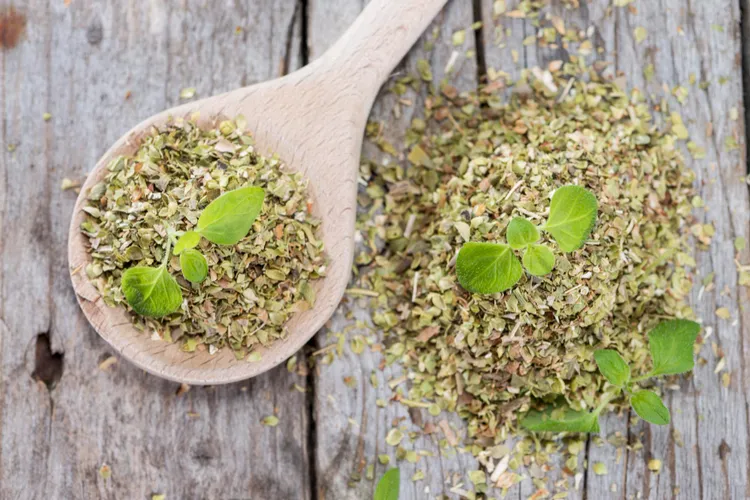
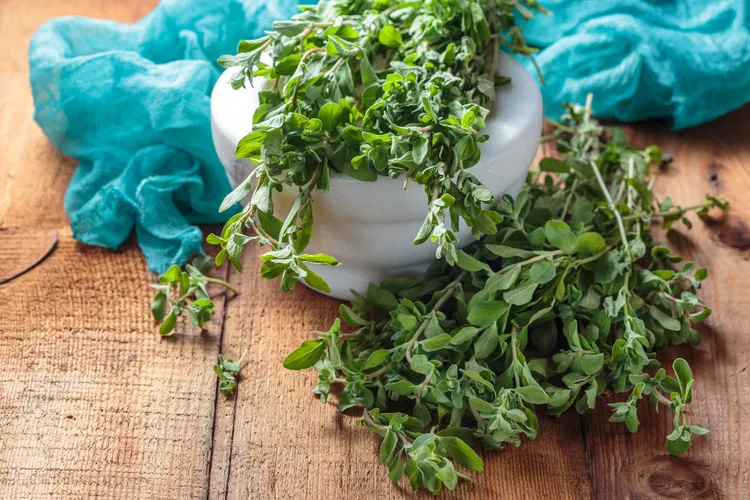
Add 2 tbsp of finely chopped sun-dried tomatoes and 1 tsp of dried oregano to the patty mixture. Serve with labneh (from the fermentation collection - tangy, creamy, perfect against a savoury patty), sliced cucumber, roasted red pepper, and fresh mint. No conventional burger toppings - a completely different flavour direction.
The Caramelised Onion Method
Caramelised onions are the highest-impact optional addition to this burger - the sweet, jammy, deeply flavourful result of properly cooked onions transforms the whole build.
Method (40 minutes, make ahead): Slice 3 large onions into thin half-moons. Heat 2 tbsp of olive oil in a wide pan over medium-low heat. Add the onions and a pinch of salt. Cook, stirring every 5 minutes, for 35-40 minutes until deeply golden, jammy, and reduced to a fraction of their original volume. Add 1 tbsp of balsamic vinegar in the final 5 minutes. The patience is the technique - medium-low heat and time, not high heat and hurry.
Store refrigerated for up to 1 week. Reheat briefly before using.
Pro Tips
- Wet hands when forming patties. The mixture sticks aggressively to dry hands. Dip hands in cold water before forming each patty and re-wet as needed. The cold water also helps firm the patty slightly as you form it.
- Make the patties the night before. Overnight refrigeration produces a significantly better patty than 30 minutes of chilling. The starches set more completely; the flax egg firms further; the patty holds together better during cooking. Overnight is the recommendation; 30 minutes is the minimum.
- Do not press the patty during cooking. Pressing squeezes moisture out of the patty and into the pan, creating steam that prevents crust formation. The pressure also compacts the interior into a dense, less pleasant texture. Place the patty and leave it alone.
- Cook from cold. Take the patties directly from the refrigerator to the hot pan. Cold patties hold their shape better during the first critical minutes before the crust forms. Room-temperature patties are softer and more prone to breakage.
Common Mistake: Skipping the Bean-Drying Step This is the step most home cooks skip because it seems unnecessary - the beans are already drained, so why put them in the oven? The answer is moisture. Drained beans retain significant internal moisture that releases into the patty mixture during cooking, turning a firm patty into a wet crumble. The 15-minute oven-drying step removes this internal moisture, concentrating the bean starch (the binding agent) and preventing the structural failure. It is the single most impactful step in the recipe. It cannot be replaced by longer mixing, more oat flour, or longer chilling. Dry the beans.
FAQ
Q: Can I freeze these patties?
Yes - freeze before cooking, between sheets of parchment paper, for up to 3 months. Cook directly from frozen: add 3-4 minutes to the cooking time per side. Frozen patties are actually slightly more structurally stable than fresh - the extended freezing firms the binding agents further.
Q: My patties are falling apart when I flip them. What went wrong?
Either the crust has not formed fully (flip too early), the patties were not chilled long enough, or the mixture was too wet. For the first flip: wait until you can slide a spatula under the patty without any resistance - the crust releases from the pan cleanly when it is ready. If it sticks or tears, wait another minute.
Q: Can I make these without oats (gluten-free)?
Yes - replace the oat flour with an equal weight of cooked quinoa (cooled and patted dry), or with 40g of chickpea flour (besan). Chickpea flour is an excellent binder and adds a slight nuttiness. The texture will be slightly different but the patty holds together well with either alternative.
Q: What makes aquafaba work as mayonnaise?
Aquafaba contains proteins (from the chickpeas during cooking) that behave similarly to the lecithin in egg yolk - they are emulsifiers, capable of holding oil droplets in suspension in water. When blended with oil added gradually, these proteins create a stable oil-in-water emulsion: mayonnaise. The flavour is slightly different from egg mayo but the texture is almost identical.
🔗 Continue Cooking
Latest