How to Use Up a Full Head of Cabbage When You Live Alone
A week's worth of ideas for getting through a full cabbage solo - from quick slaws and stir-fries to a simple fridge sauerkraut - plus how to store it so it doesn't turn yellow by day three.
A head of cabbage is one of the best value purchases in a solo grocery shop: cheap, keeps well if stored properly, and surprisingly versatile. The problem is that a full head is a lot for one person. Without a plan, half of it goes limp at the back of the fridge. With a plan, it covers five or six different meals across the week.
Storage First
Cabbage keeps much longer than most people expect - but only if stored correctly. Leave the outer leaves on until you're ready to use each section. Cut from one end rather than halving it and leaving two cut surfaces exposed. A whole or partially cut cabbage, wrapped tightly and refrigerated, will stay good for 2-3 weeks. Once you've sliced it, use within 3 days. This gives you time to work through it without urgency.
Day 1-2: The Quick Slaw
Thin-sliced raw cabbage dressed immediately is crisp, fresh, and genuinely good. Shred a quarter of the cabbage finely (a sharp knife is faster and better here than a grater or food processor for this quantity). Dress with: 1 tbsp olive oil, 1 tbsp apple cider vinegar or lemon juice, a pinch of sugar, salt, black pepper. Toss and let sit 10 minutes before eating - it softens slightly and the dressing absorbs. Add whatever else you have: grated carrot, thinly sliced apple, fresh herbs, toasted seeds.
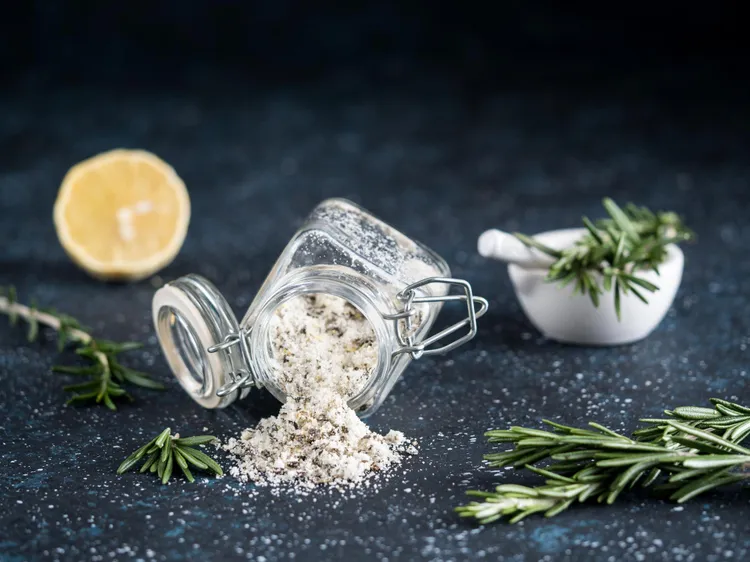
This works as a side for almost anything. A version with more olive oil and a bit of garlic is close to this lemon-infused cabbage salad - ~120 kcal, basically zero effort.
Day 2-3: Stir-Fried Cabbage
Cabbage in a stir-fry is underrated. Slice it roughly into 3-4cm pieces (don't bother shredding finely - thicker slices hold up better to the heat). Hot pan, oil, garlic, sliced cabbage. Cook on high heat without stirring for 90 seconds so it gets some caramelisation on the cut edges. Then stir, add a splash of soy sauce and sesame oil, cook another minute. This works as a side or as the veg element in a full stir-fry with protein and rice.
For the full solo stir-fry technique and sauce variations, see the solo stir-fry guide.
Day 3-4: Simple Braised Cabbage
Braised cabbage is transformative - completely different from the raw or quickly cooked versions. Slice a quarter of the head into rough wedges (keep the core attached so they hold together). Brown them in butter in a pan over medium heat, 3 minutes per side. Add a splash of stock or water, a splash of apple cider vinegar, a pinch of sugar, a bay leaf. Cover and cook on low for 20 minutes until soft and sweet. Excellent alongside pork, chicken, or a fried egg.
Day 4-5: Cabbage and Egg Fried Rice
Sliced cabbage added to fried rice works well - it wilts quickly and adds texture without dominating. Follow the standard fried rice method (cold leftover rice, very hot pan, egg, soy and sesame at the end) and add shredded cabbage with the rice. It reduces in volume significantly when it hits the heat. About 400 kcal for a filling portion.
The Sauerkraut Option
If you still have cabbage left and want to stop the clock on it going off, a simple fridge sauerkraut keeps for months. It's not the traditional lacto-fermented version (which takes weeks) - it's a quick pickled version ready in 24 hours. Shred 200g of cabbage finely, massage in 1 tsp of salt for 5 minutes until it releases liquid, pack tightly into a clean jar, add a splash of white vinegar and enough water to just submerge. Refrigerate. Ready in 24 hours, keeps for 3-4 weeks. Use on sandwiches, eggs, or alongside any dish that wants acidity.
Nutrition Notes
Raw cabbage: ~25 kcal per 100g, 1.3g protein, 6g carbs, high in vitamin C. Cooked: similar macro profile, some vitamin C loss but still a solid micronutrient source. For the cost, cabbage is one of the best-value veg you can buy as a solo cook.
For more strategies on shopping smart for one and using up whole vegetables without waste, see the grocery shopping for one guide. For the complete solo cooking approach, see the cooking for one complete guide.
Latest