Worcestershire and Tamarind: The Swangy Backbone of Western Sauces
Worcestershire sauce is a British condiment with a South Asian flavour logic at its core: tamarind, fermented anchovy, and vinegar create a swangy profile that has been quietly underpinning Western cooking for nearly 200 years. Using these two ingredients deliberately unlocks a lot of flavour.
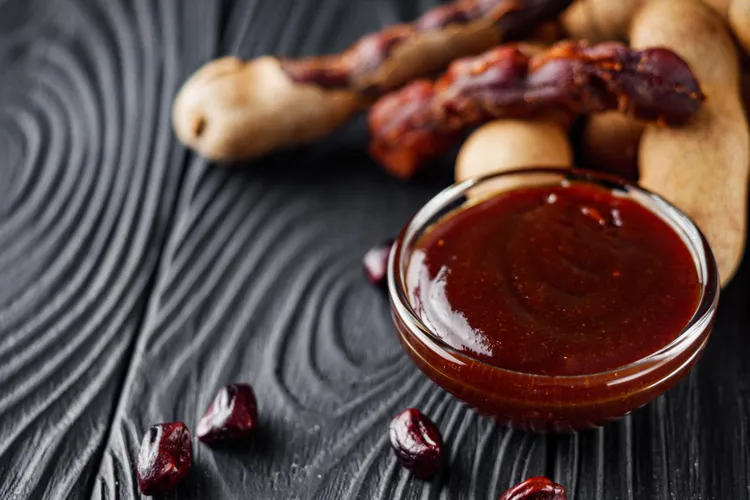
There is something pleasing about the fact that Worcestershire sauce - the most quintessentially British condiment, sold in a bottle with a label unchanged for over a century - achieves its flavour through tamarind. A fruit from tropical Africa, cultivated across South Asia, and imported into a Worcestershire bottle. The tamarind is doing most of the swangy work: the sweet-sour depth that makes Worcestershire different from plain vinegar is almost entirely tamarind's contribution. The fermented anchovy provides the funk. The vinegar sharpens it all.
Why Worcestershire Is Swangy
Run the three-component swangy test on Worcestershire:
- Tang: From malt vinegar and tamarind extract - a complex, layered acidity that is more interesting than straight vinegar
- Sweetness: From molasses, sugar, and the natural sugars in the tamarind - a background sweetness that prevents the acidity from being harsh
- Funk: From the fermented anchovies and the natural fermentation of the sauce during its maturation in barrels
All three present. Worcestershire is swangy by design, even if it predates the term by 180 years. For a full ingredient breakdown of Worcestershire and its standalone cooking uses, see the Worcestershire sauce guide in the garum cluster.
Using Tamarind and Worcestershire Together
The interesting development is using both tamarind and Worcestershire together deliberately, rather than treating Worcestershire as containing tamarind incidentally. When combined, they amplify each other's swangy qualities:
- Tamarind adds more fruit acid and sweetness
- Worcestershire adds the fermented anchovy funk and the additional acid from the vinegar
- Together they produce a more complex, more rounded swangy base than either alone
Tamarind-Worcestershire Pan Sauce
After searing any protein in a pan, deglaze with: 1 tbsp Worcestershire + 1 tbsp tamarind paste + 100ml beef or chicken stock + 1 tsp butter. Scrape up the fond. Reduce by half. Finish with a little more butter. This 4-minute sauce has a depth that suggests hours of work. Per serving: ~45 kcal.
Works particularly well after cooking pan-roasted chicken thighs - add the sauce to the same pan the chicken cooked in.
Swangy BBQ-Style Marinade
2 tbsp tamarind paste + 1 tbsp Worcestershire + 1 tbsp soy sauce + 1 tbsp brown sugar + 1 tsp smoked paprika + 1 garlic clove grated. This is a complete marinade that covers all five swangy building blocks. Macros per full batch: ~120 kcal total, negligible per serving applied as a marinade.
Compared to the honey-soy marinade, which is a two-note combination, this covers four flavour dimensions simultaneously.
Swangy Dipping Sauce
1 tbsp tamarind paste + 1 tbsp Worcestershire + 2 tbsp water + 1 tsp sugar + pinch of chilli flakes. Stir until combined. No cooking required. Works as a dipping sauce for anything fried - samosas, spring rolls, grilled prawns, chicken skewers. Per 2-tbsp serving: ~25 kcal.
The Broader Logic: Western Swangy Already Exists
HP Sauce is another example - tamarind, vinegar, dates, and spices. Brown sauce more broadly. Tamarind-and-vinegar is the backbone of several British condiment traditions, which makes swangy cooking feel less exotic and more like an extension of flavours many UK home cooks grew up with. The step from HP sauce on a bacon sandwich to tamarind chutney on samosas is smaller than it appears.
For the full picture of the swangy flavour movement and where Worcestershire and tamarind fit in it, see the Complete Guide to the Swangy Flavour Movement.
Latest