Barista-Style Oat Milk: The Recipe Built for Steaming and Frothing
A homemade barista-style oat milk recipe with added oil for stability, built specifically to resist splitting and foam well in coffee.
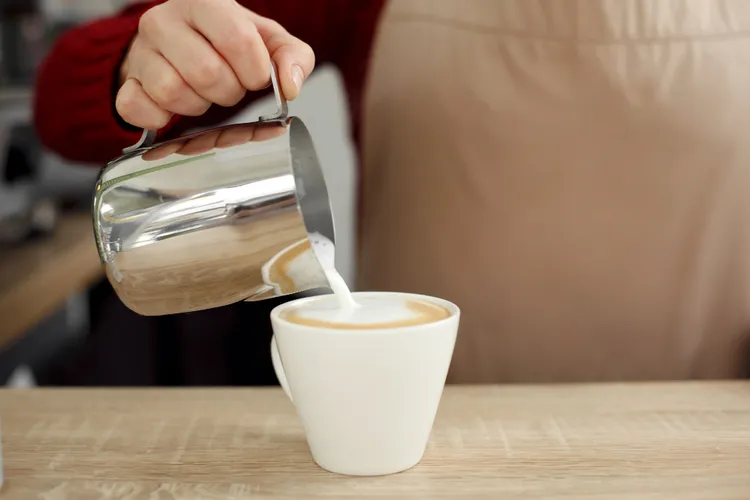
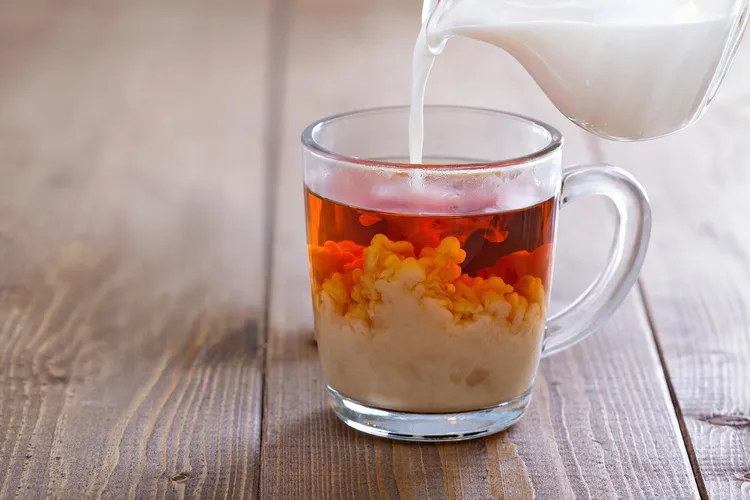
Commercial barista-formulated oat milks resist splitting and foam well largely thanks to a small amount of added oil, which stabilizes the milk's proteins and starch against heat and acidity. Building the same stability into a homemade batch is simple.
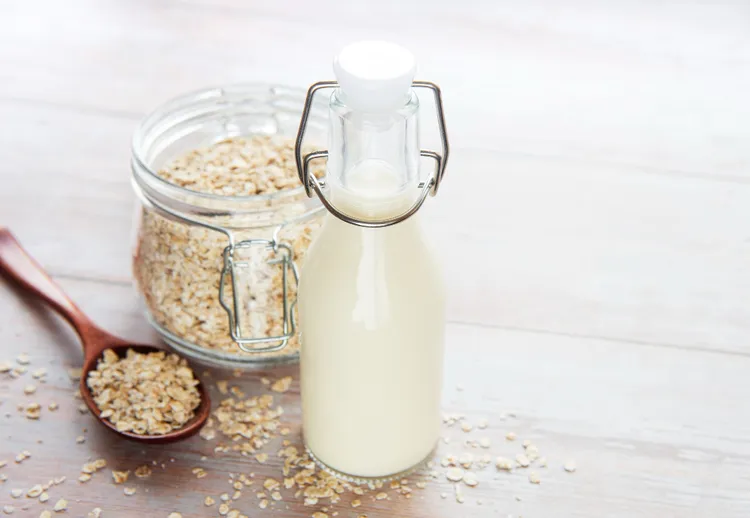
Barista-Style Oat Milk
Prep time: 10 minutes | Makes: about 4 cups
Ingredients
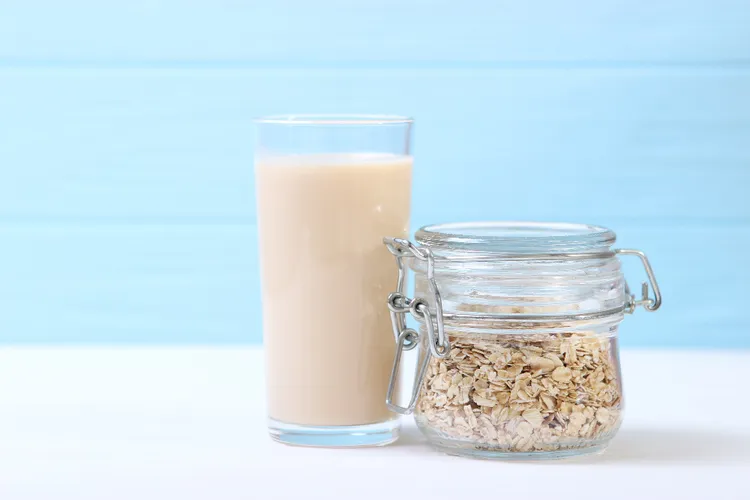
- 1 cup rolled oats
- 4 cups cold water
- 2 tbsp neutral, high-oleic oil (sunflower or canola oil work well)
- Pinch of salt
- Optional: 1 tbsp maple syrup, for a touch of sweetness
Instructions
- Add the oats, cold water, oil, salt, and sweetener if using to a blender.
- Blend on high for 30 to 45 seconds, no longer.
- Strain through a nut milk bag or fine mesh strainer into a bowl or pitcher, pressing gently on the solids to extract the liquid.
- Transfer to a clean, sealed container and refrigerate.
Notes
Shake or stir well before using, since the added oil can separate slightly in the fridge - this is normal and expected, and doesn't affect performance once recombined.
Why Oil Makes the Difference
The small amount of added fat helps emulsify the milk more thoroughly and coats the proteins in a way that makes them more resistant to clumping when they meet hot, acidic coffee - similar in principle to how a small amount of fat helps stabilize other emulsified sauces. This is the single biggest difference between a standard homemade oat milk and one built specifically to hold up in coffee.
Choosing the Right Oil
A neutral, high-oleic oil (sunflower or canola) is standard in commercial barista oat milk formulations, chosen specifically for its neutral flavor and stability. Avoid strongly flavored oils like extra virgin olive oil or toasted sesame oil here, since their flavor will come through noticeably in something as mild as oat milk.
Foaming and Steaming
This version froths and steams noticeably better than a plain homemade oat milk, making it a genuinely good choice for lattes, cappuccinos, or any drink where texture and foam matter as much as flavor. If using a milk frother or steam wand, keep the temperature moderate rather than scalding hot, since overheating any oat milk - barista-style or not - increases the risk of splitting regardless of the added stability.
What to Use It On
- Lattes and cappuccinos
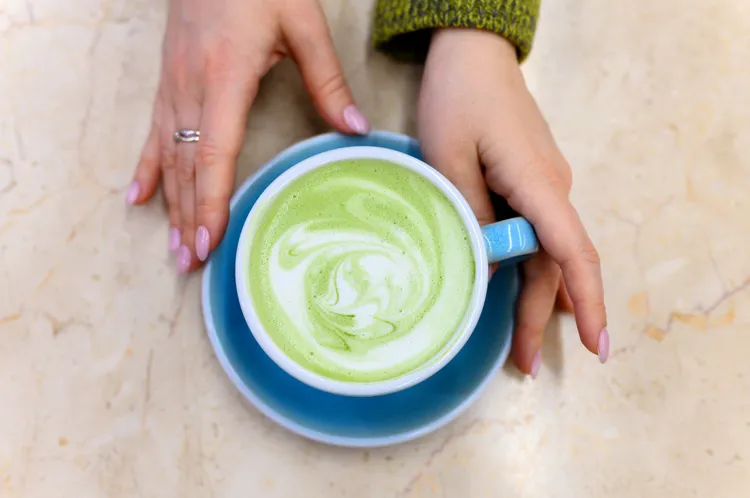
- Chai lattes and matcha lattes
- Any recipe where you've had trouble with a plain oat milk splitting
Variations
- Extra creamy version: Increase the oil slightly, up to 3 tablespoons, for an even richer, more stable result, closer to half-and-half.
- Unsweetened version: Skip the maple syrup entirely if you prefer to control sweetness separately in your drink.
For more on why splitting happens in the first place, see our explainer, or head back to the complete oat milk guide.
Latest