Why Oat Milk Splits in Hot Coffee (And How to Stop It)
The real reason oat milk curdles or splits in hot coffee - a reaction between starch, heat, and coffee's acidity - and what actually prevents it.
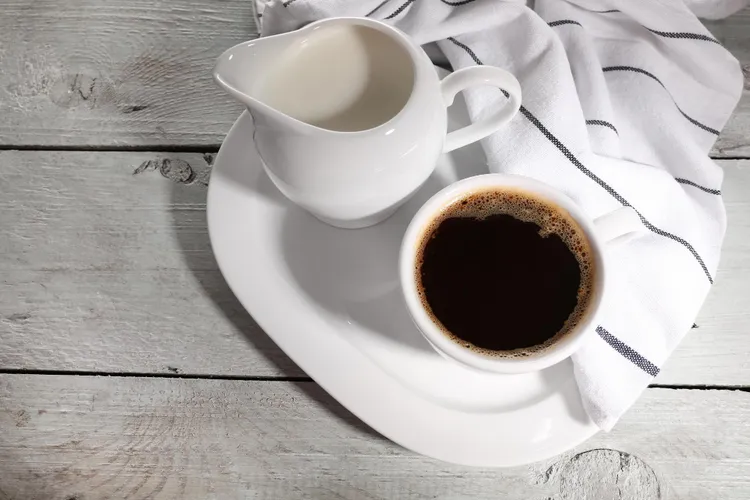
Pouring oat milk into a hot cup of coffee and watching it curdle into small flecks is one of the most common frustrations with the milk, and it happens with both homemade and store-bought versions. Understanding what's actually going on makes it much easier to prevent.
It's Not Spoiled Milk
The first thing worth knowing is that splitting isn't necessarily a sign the oat milk has gone bad - it's usually a specific reaction between the milk's starch content, heat, and the acidity of the coffee itself, and it can happen with a batch that's well within its shelf life.
What's Actually Happening
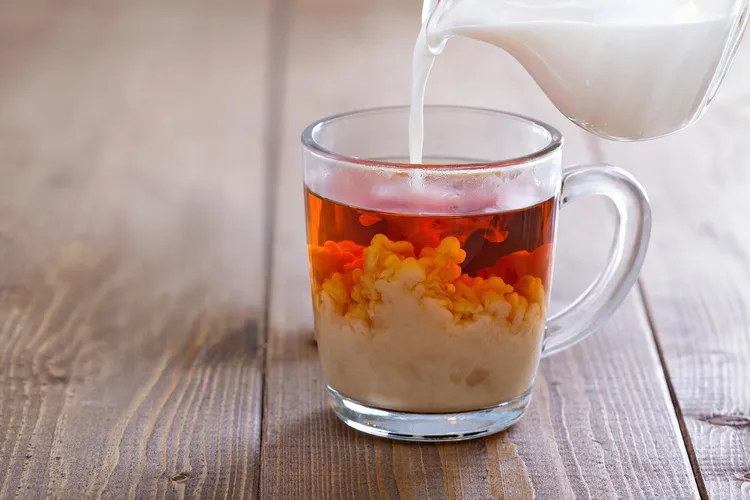
Oat milk naturally contains starch released from the oats during blending. When that starch-containing liquid meets hot, acidic coffee, two things happen at once: the heat can cause the starch to gelatinize (swell and thicken unevenly rather than staying smoothly suspended), and the coffee's acidity can cause the proteins in the milk to denature and clump together, similar in principle to how adding lemon juice to dairy milk causes it to curdle. The combination of these two effects is what creates the small, unappetizing flecks people notice floating in a cup of coffee.
Why Some Coffees Cause More Splitting Than Others
More acidic coffee - a lighter roast, or coffee brewed a bit too hot or too strong - is more likely to cause splitting than a milder, less acidic brew. This is part of why the same oat milk might work fine in one cup of coffee and split visibly in another; the coffee itself is a real variable, not just the milk.
Why Temperature Matters
Very hot coffee, or milk that's been overheated while steaming or frothing, is more likely to cause splitting than a more moderate temperature. This is part of why commercial barista-formulated oat milks are specifically designed to hold up under the higher, more sustained heat of espresso machine steaming, while a plain, unformulated oat milk is more vulnerable.
What Actually Prevents Splitting
- Use a barista-formulated oat milk, or make your own version: These are specifically built with added oil for stability - see our barista-style recipe.
- Warm the oat milk gently before adding it to coffee, rather than pouring cold milk into very hot coffee: A more gradual temperature change is less likely to shock the proteins and starch into clumping.
- Add the milk to the coffee slowly, rather than all at once: This gives the two liquids more of a chance to combine gradually rather than reacting all at once.
- Use a slightly less acidic, darker roast coffee if splitting is a persistent problem: This addresses the acidity half of the equation directly.
Is Split Oat Milk Coffee Safe to Drink?
Yes - a split cup of coffee isn't unsafe, just unappealing in texture and appearance. It's a purely aesthetic and textural issue rather than a food safety one, assuming the oat milk itself hadn't already gone bad before you poured it (see our storage guide for genuine signs of spoilage, which are different from this splitting reaction).
For the recipe built specifically to avoid this problem, see our barista-style oat milk guide, or head back to the complete oat milk guide.
Latest