Oat Milk: Making Your Own and Why the Store-Bought Kind Splits in Coffee
A complete guide to oat milk - how to make it at home, why it splits in hot coffee and how to stop it, and recipes across drinks, baking, and savory cooking.
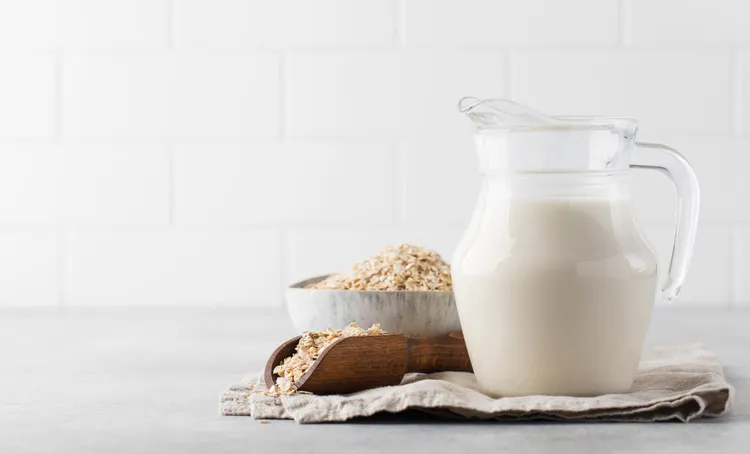
Oat milk has become the default dairy-free option for a lot of home coffee drinkers, and for good reason - it's creamy, mild, and blends well into coffee without the sometimes strong flavor other plant milks bring. It's also one of the easiest plant milks to make at home, and understanding a bit about how it behaves (particularly why it sometimes splits in hot coffee) makes it much easier to get consistently good results, whether you're making your own or buying a carton.
Making Oat Milk at Home
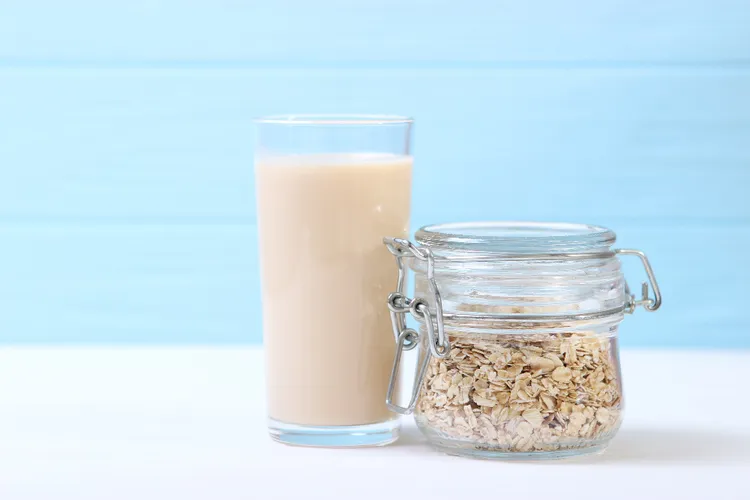
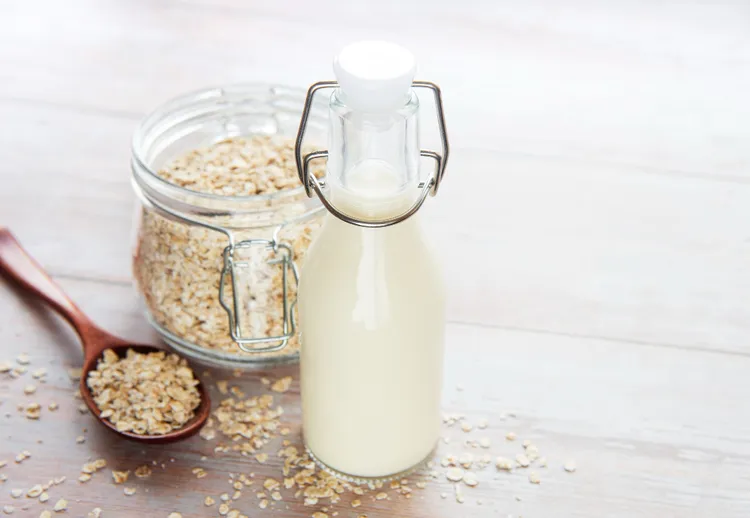
Homemade oat milk comes down to blending oats with water and straining out the solids - a genuinely simple process that takes about ten minutes of active time. Our step-by-step guide covers the ratio, blending time, and straining method that gives the smoothest, least gritty result.
Why Oat Milk Splits in Coffee
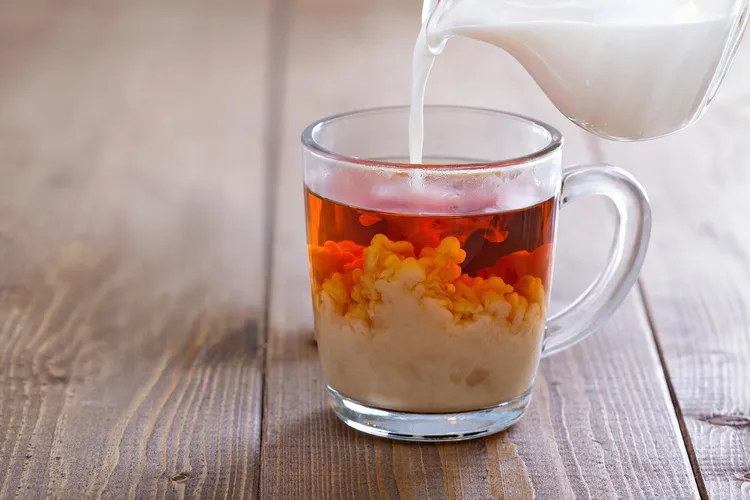
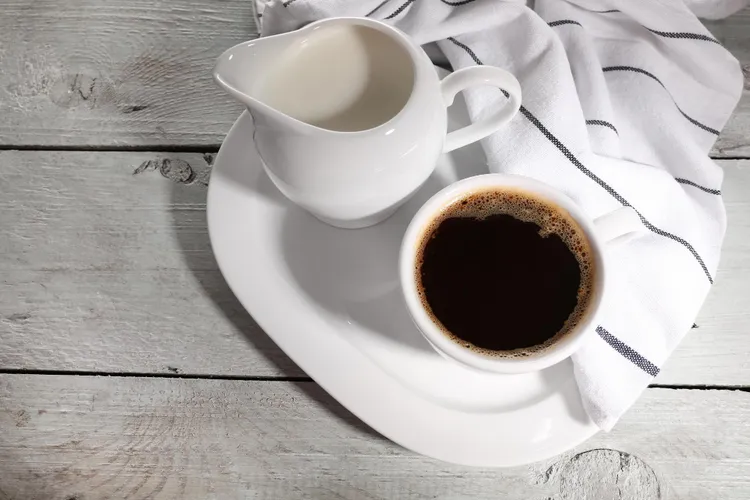
This is one of the most common frustrations with oat milk, whether homemade or store-bought - pour it into a hot cup of coffee and it can curdle or separate into unappetizing little flecks, especially in a stronger, more acidic coffee. This isn't a sign of spoiled milk; it's a specific interaction between oat starch, heat, and acidity. Our explainer covers exactly what's happening and the handful of things that reliably prevent it.
Making a Barista-Style Version
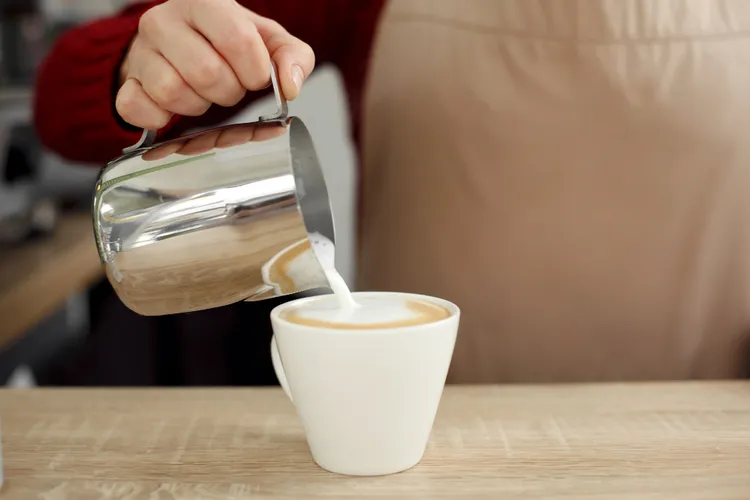
Commercial "barista" oat milk blends are formulated specifically to resist splitting and to foam well for lattes and cappuccinos, largely thanks to a small amount of added oil. Our barista-style oat milk recipe shows how to build that same stability into a homemade batch.
Storing Oat Milk
Homemade oat milk behaves a bit differently in storage than the store-bought kind - it separates in the fridge more readily and has a considerably shorter shelf life. Our storage guide covers what's normal, what to do about it, and how long a batch actually lasts.
Cooking and Baking With Oat Milk
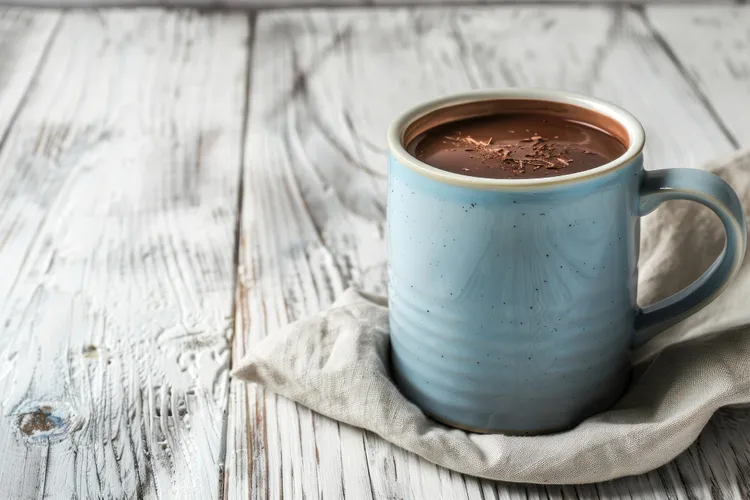
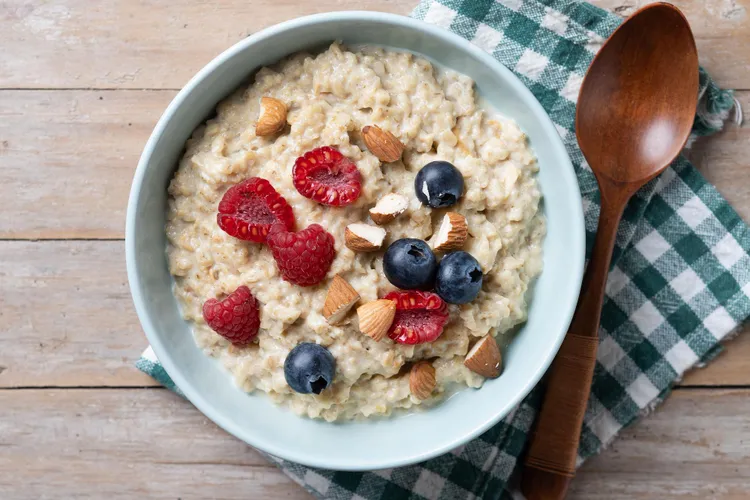
Beyond coffee, oat milk works well across a wide range of everyday recipes. Oat milk overnight oats is about as natural a pairing as exists, using the milk to soak the oats it's made from. For warm drinks, oat milk chai latte, oat milk matcha latte, and oat milk hot chocolate all take advantage of oat milk's creaminess in different café-style drinks, each with its own small technique notes for getting a smooth result rather than a split one.
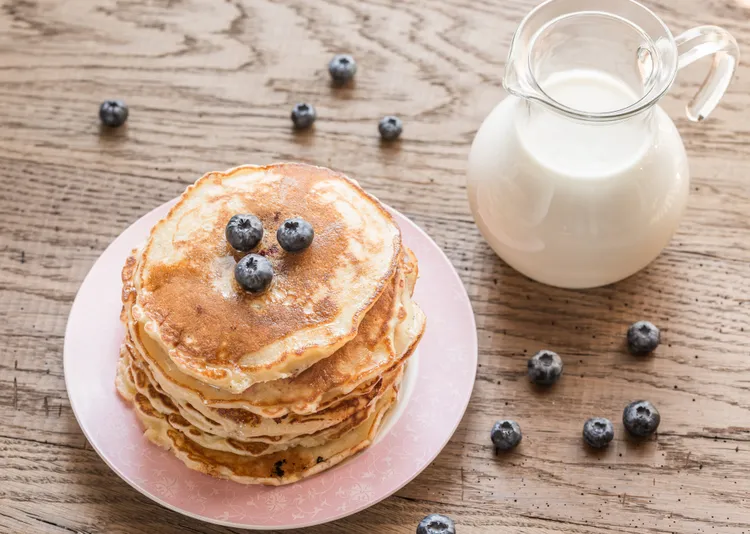
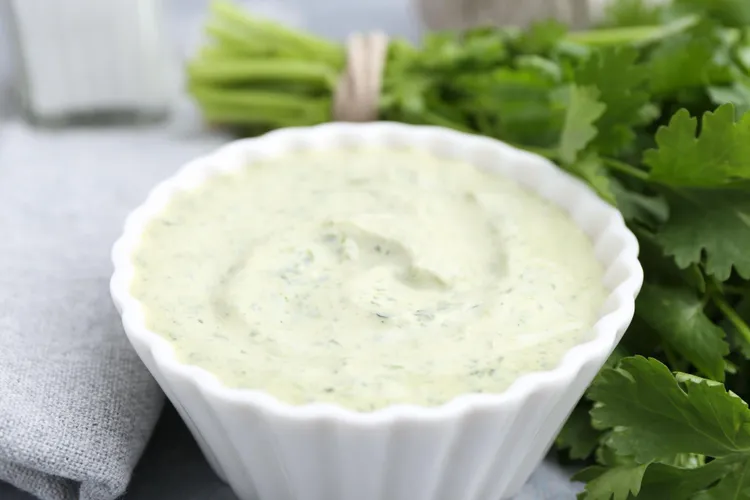
In baking, oat milk pancakes shows that oat milk works as a genuinely reliable 1:1 dairy milk substitute, producing pancakes just as fluffy as a dairy version. On the savory side, oat milk ranch dressing demonstrates that oat milk isn't limited to sweet applications at all.
If you want to build more flavor into your homemade base, flavored oat milk covers simple vanilla, chocolate, and cinnamon versions, each just a small addition to the base recipe.
Don't Waste the Leftover Pulp
Making oat milk at home leaves behind a fair amount of soft, blended oat pulp once the liquid is strained out - and it's genuinely useful rather than something to toss. Our guide to leftover oat pulp covers what to do with it instead of throwing it away.
Substituting Oat Milk in Recipes
Oat milk is one of the more flexible plant milks to swap into existing recipes, but it's not a perfect 1:1 replacement in every context. Our substitution guide covers where the swap works cleanly and where a different plant milk might actually serve a recipe better.
Buying Oat Milk Instead of Making It
Not everyone wants to make their own, and that's a completely reasonable choice - oat milk brands vary considerably in ingredients, added oil, sweetener, and how well they handle coffee specifically. Our buying guide covers what to actually look for on a label if you're choosing a carton at the store.
Common Mistakes to Avoid
The most common mistake when making oat milk at home is blending the oats for too long or at too high a speed, which breaks down more starch than necessary and results in a slimier, gummier texture rather than a smooth, clean one. A shorter blend time, covered in our step-by-step guide, actually produces a better result than a longer, more aggressive one.
The second common mistake is using hot water to blend the oats, assuming it will help them break down faster. Hot water actually encourages the oats to release more starch into the liquid, which is part of what causes a slimy texture and contributes to the splitting problem in coffee. Cold water is the right choice for blending.
A third mistake is expecting homemade oat milk to behave exactly like a store-bought carton, particularly one labeled specifically for coffee or barista use. Those products are formulated with stabilizers and added oil that a simple homemade batch won't have, so some splitting in very hot, acidic coffee is more likely with a plain homemade version unless you build in that stability yourself, as covered in our barista-style recipe.
A fourth, less obvious mistake is pressing too hard when straining the blended mixture, in an effort to extract every last drop of liquid. Aggressive squeezing pushes more of the fine oat starch through the strainer along with the liquid, which can undo some of the benefit of a careful, short blend time in the first place. A gentle press is usually enough.
Why Oat Milk Became So Popular
Oat milk's rise as the default plant milk in a lot of coffee shops and home kitchens alike comes down to a combination of factors: it's naturally creamy without needing much added stabilizer, its flavor is mild enough not to clash with coffee or tea the way a more distinctly flavored nut milk sometimes can, and oats themselves are a relatively low-cost, widely available crop compared to almonds or coconuts. It also tends to have a smaller environmental footprint than some other plant milks in terms of water use, which has been part of its appeal for environmentally conscious consumers, though this guide focuses on the practical cooking and flavor side of things rather than making broader claims in that area.
Homemade vs. Store-Bought: A Realistic Comparison
Homemade oat milk is cheaper per batch, free of any additives you don't want, and fully customizable in thickness and flavor, but it has a considerably shorter shelf life and, without added oil, is more prone to splitting in hot coffee than a dedicated barista-formulated product. Store-bought oat milk, particularly a barista-specific carton, is more consistent and convenient, especially for someone who goes through oat milk daily and doesn't want to make a fresh batch every few days. Neither is objectively better - it comes down to how often you use it and how much control you want over what's in it.
Why This Is Worth Learning
Oat milk is genuinely one of the more approachable plant milks to make at home - cheaper than store-bought, free of any additives you don't want, and flexible enough to flavor or thicken however you like. Understanding why it behaves the way it does in hot coffee also makes it much easier to actually enjoy it there consistently, rather than being surprised by an occasional split cup and writing off oat milk as unreliable.
Latest