The Basic Pickle Brine Ratio (And How to Adjust It)
The core vinegar, water, salt, and sugar ratio behind nearly every quick pickle, and how to adjust it for a sharper or milder result.
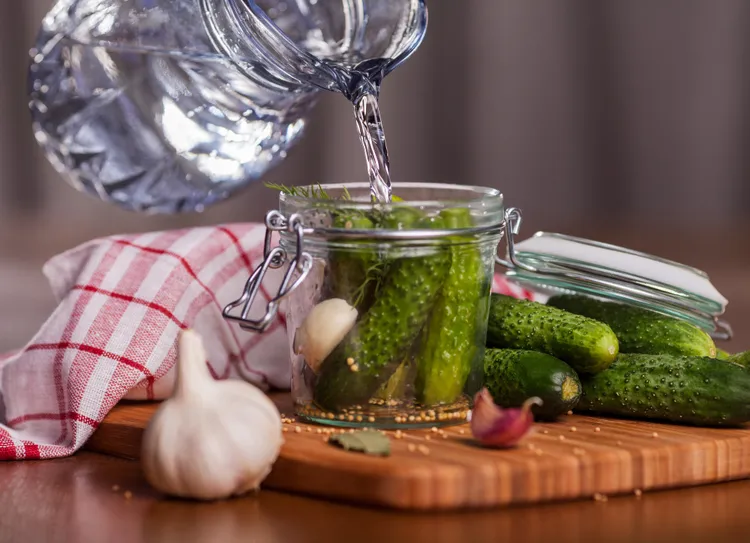
Nearly every quick pickle recipe comes down to the same basic ratio of vinegar, water, salt, and sugar - learning this ratio, rather than memorizing individual recipes, is what makes it possible to pickle almost anything in the fridge without looking anything up.
The Basic Ratio
A reliable starting formula for quick pickling is:
- 1 cup vinegar (white, apple cider, or rice vinegar)
- 1 cup water
- 1 to 2 tablespoons sugar (adjust up for a sweeter pickle, down or omit for a sharper one)
- 1 to 1.5 tablespoons kosher or pickling salt
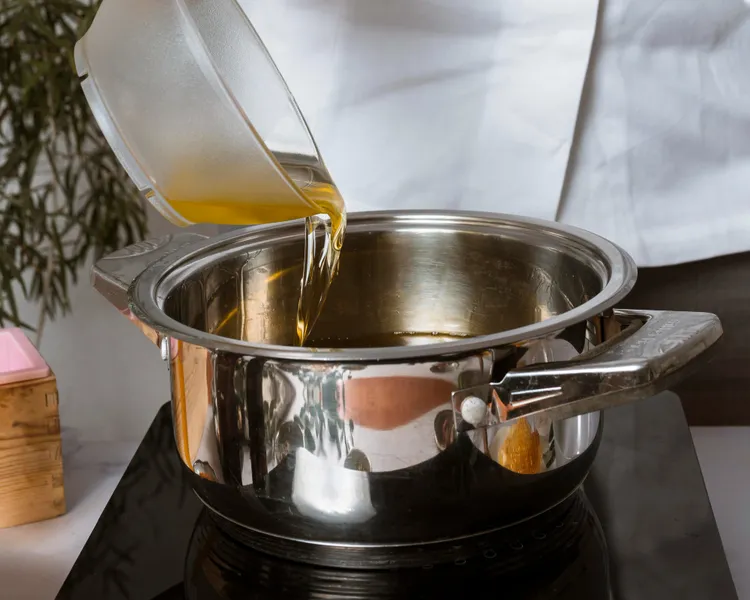
Combine these in a small saucepan, warm gently just until the sugar and salt fully dissolve (it doesn't need to boil), then pour over your vegetables of choice, packed into a clean jar. This basic 1:1 vinegar-to-water ratio produces a pickle with a noticeable tang but not an overwhelmingly sharp one - a good default for most vegetables.
Adjusting the Ratio
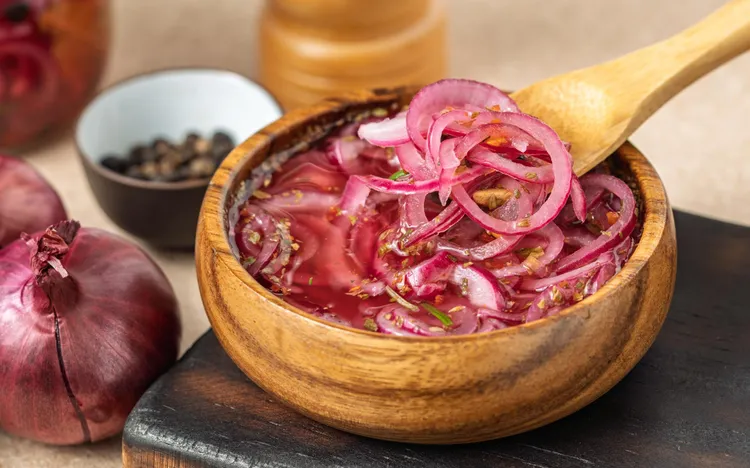
The 1:1 vinegar-to-water ratio is a starting point, not a fixed rule. For a sharper, more assertive pickle (good for something like raw onion, which benefits from real acidity to mellow it), increase the vinegar relative to water, up to using all vinegar and no water at all. For a milder pickle, particularly with more delicate vegetables, shift the ratio toward more water, down to about 2 parts water for every 1 part vinegar.
Choosing a Vinegar
- White distilled vinegar: The sharpest, most neutral option; good for a clean, straightforward pickle flavor.
- Apple cider vinegar: Slightly fruitier and more rounded; works especially well with onions and heartier vegetables.
- Rice vinegar: Milder and slightly sweet; a good choice for Asian-style pickles like carrots and daikon.
- Red or white wine vinegar: A bit more complex in flavor; works well for a slightly more elevated pickle, particularly with fruit.
Salt: Why the Type Matters
Use kosher salt or a dedicated pickling salt rather than iodized table salt. Iodized salt and the anti-caking agents in many table salts can make a brine look cloudy and occasionally affect the final flavor slightly. Kosher salt dissolves cleanly and gives a more predictable, clear brine.
Sugar: How Much and Why
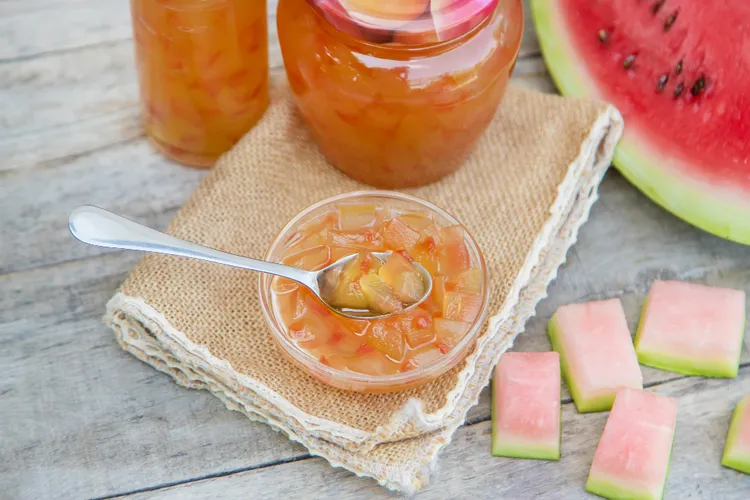
Sugar isn't strictly necessary - a pickle can be made with just vinegar, water, and salt - but a small amount rounds out the sharpness of the vinegar and is traditional in most Western-style quick pickles. Reduce or omit it for a sharper, more purely acidic pickle, or increase it for something closer to a sweet pickle, as in our watermelon rind recipe.
Scaling the Recipe
This ratio scales up or down easily depending on the size of your jar and how much you're pickling - just keep the proportions between vinegar, water, salt, and sugar consistent as you scale. A single batch (1 cup vinegar, 1 cup water) is generally enough brine for a standard pint-sized jar of packed vegetables.
A Simple Way to Remember It
Equal parts vinegar and water, a tablespoon or so of salt, and a bit of sugar to taste - that's the whole formula. Once it's memorized, building a new pickle is mostly about choosing what vegetable (or fruit, or protein) to pack into the jar and which spices to add, covered in more depth in our flavor and spice guide.
For the full picture on quick pickling, including storage guidance, see the complete pickling guide.
Latest