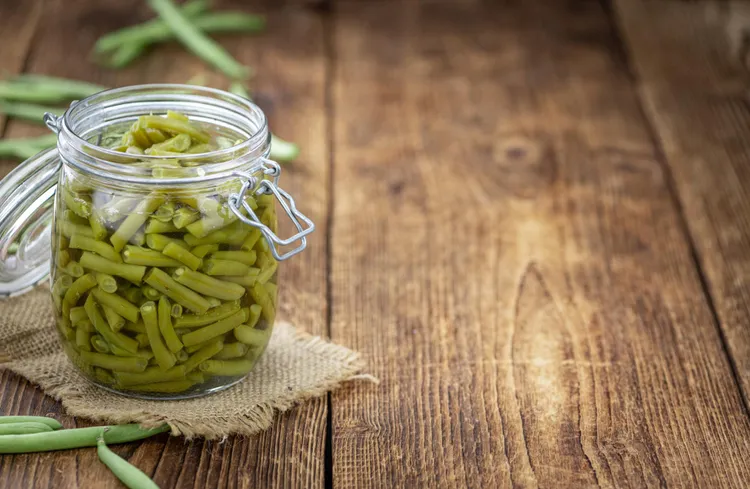
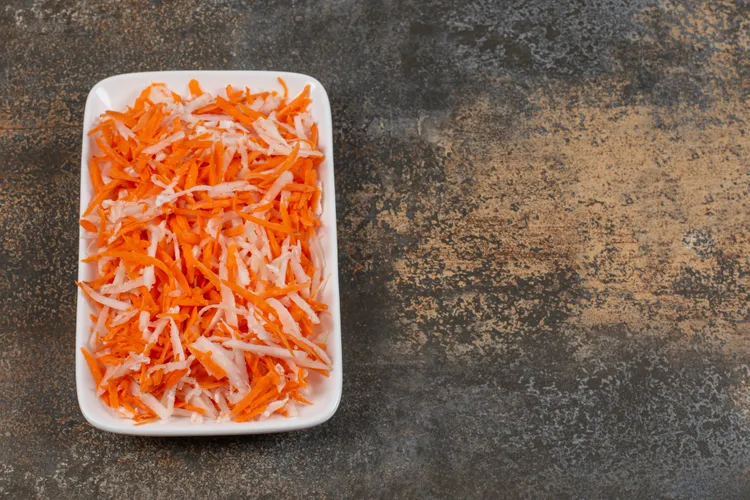
What to Pickle Next: A Flavor and Spice Add-In Guide
A framework of aromatics, whole spices, and herbs to build your own quick pickle flavor combinations beyond fixed recipes.
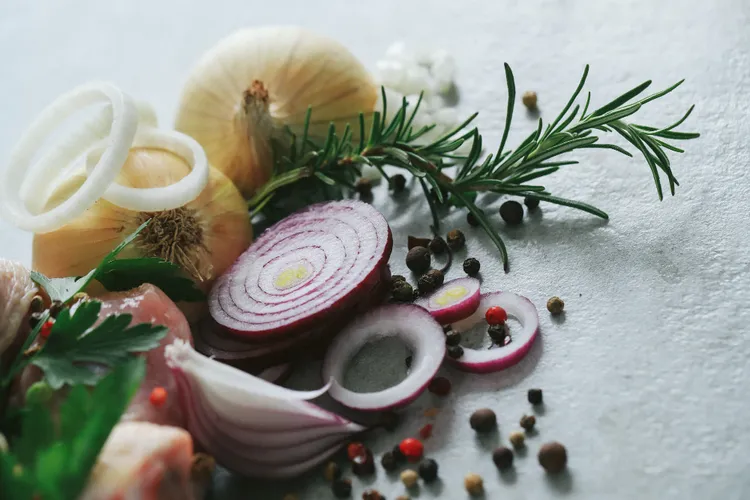
Once the basic brine ratio feels comfortable, the real fun of pickling is customizing the spices and add-ins for whatever you're working with. This guide lays out a framework of aromatics, whole spices, and herbs to build from.
Aromatics
- Garlic: Smashed or sliced cloves work in nearly every savory pickle, from cucumbers to dilly beans.
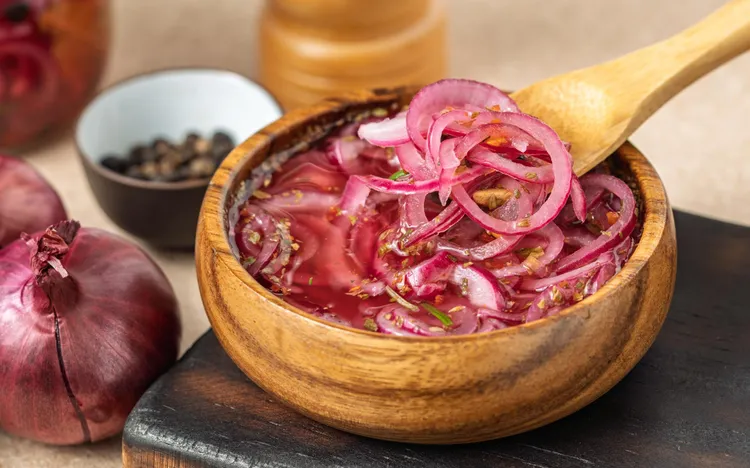
- Shallot or onion: A few slices add a mellow sweetness alongside a more prominent vegetable.
- Fresh ginger: Works especially well in Asian-style pickles like carrots and daikon, and in sweeter fruit pickles.
Whole Spices
- Mustard seed: A classic addition to cucumber and green bean pickles, adding a mild, slightly sharp pop of flavor.
- Coriander seed: Citrusy and mild, works well in almost any savory pickle.
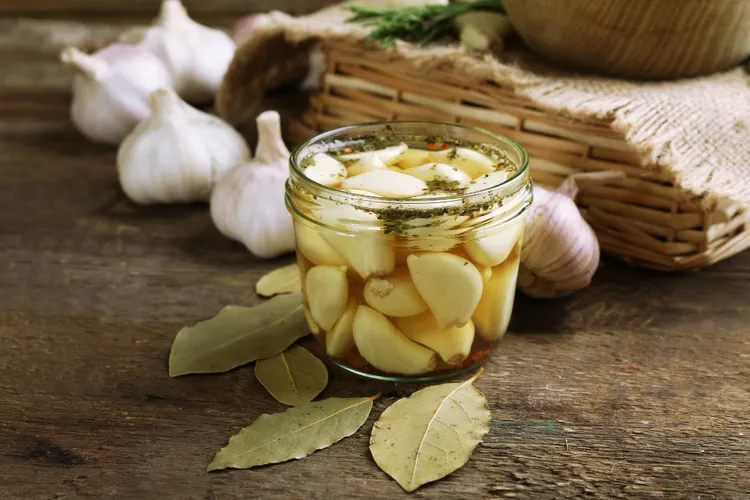
- Black peppercorns: A near-default addition across savory pickles, including pickled eggs and pickled garlic.
- Cumin seed: Adds a warm, earthy note, especially good in pickled jalapeños.
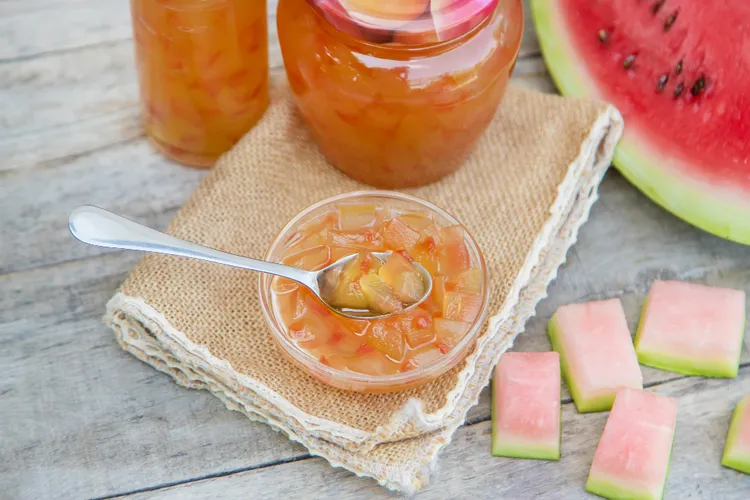
- Cinnamon stick, cloves, and allspice: The classic warm-spice trio for sweeter pickles like watermelon rind and pickled fruit.
- Bay leaf: A subtle, herbal background note that works in almost any savory pickle.
Fresh Herbs
- Dill: The classic partner for cucumbers and green beans, as in dilly beans.
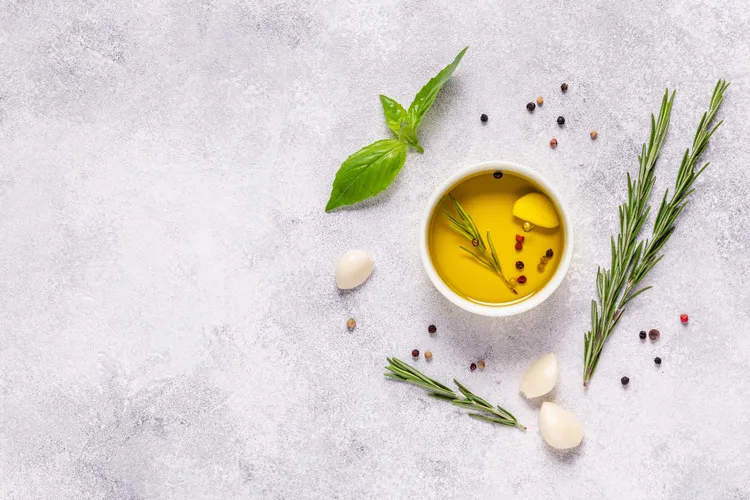
- Thyme or rosemary: Works surprisingly well in sweeter fruit pickles, adding a savory counterpoint.
- Oregano: A good addition to a Mediterranean-leaning pickle, particularly with onions or peppers.
Heat
- Dried chilies (whole): Add heat gradually and can be removed if you want to stop the pickle from getting spicier the longer it sits.
- Red pepper flakes: A more evenly distributed heat throughout the brine.
- Fresh sliced chili: Adds heat along with fresh chili flavor, common in jalapeño pickles and some fruit pickles.
A Simple Way to Build Your Own Combination
Start with the base brine ratio from our brine guide, then add one aromatic (garlic or ginger), one or two whole spices, and optionally a fresh herb or a bit of heat. This is roughly the formula behind most of the recipes throughout this guide, and it's flexible enough to build a genuinely new combination just by swapping which spices and herbs go into the jar.
Testing a New Combination
Because quick pickles are ready relatively fast, it's easy to test a new spice combination in a small jar before committing to a large batch - a good approach if you're experimenting with an unusual pairing you're not fully sure about yet.
For the full range of recipes and techniques, head back to the complete pickling guide.
Latest