Best Ways to Use Cucumbers (Raw, Salted, Quick-Pickled, Cooked)
Why raw eating dominates cucumber cooking, why salting matters so much given how much water cucumbers hold, and when heat actually works in cucumber's favor.
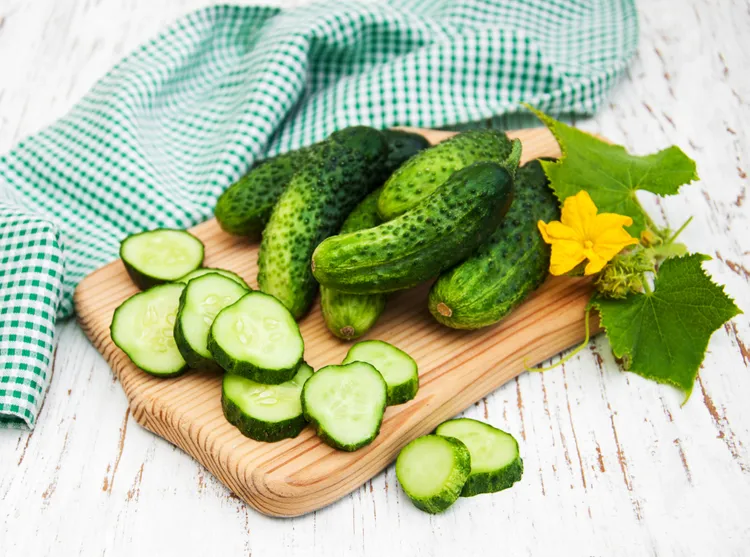
Cucumbers are eaten raw more often than cooked, but salting to manage their high water content, quick pickling, and even occasional cooked applications all have genuine places in cucumber cooking worth understanding deliberately rather than by accident.
Eating Raw: The Default
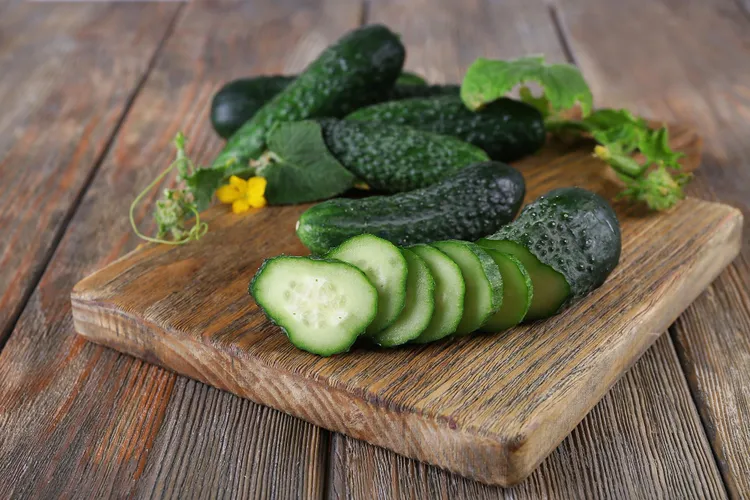
Fresh, raw cucumber, sliced, diced, or in spears, is the most common preparation for good reason: it preserves the crisp texture covered in our food science guide without any risk of the softening that heat causes. Simple raw preparations, a squeeze of lemon, a pinch of salt, a drizzle of olive oil, let cucumber's mild flavor and texture lead without much competition.
Salting to Remove Water
Given cucumber's very high water content, salting sliced or diced cucumber and letting it rest for 15 to 30 minutes before use draws out a genuinely substantial amount of liquid through osmosis, covered in more depth in the food science guide. This technique serves two practical purposes: concentrating cucumber's own flavor in the remaining flesh, and preventing that released water from diluting a dressing, dip, or salad it's being added to. After salting and resting, patting cucumber dry or gently pressing out remaining liquid before use produces a noticeably better final texture in dishes like tzatziki or a dressed salad than skipping this step.
Seeding for Certain Applications
Cucumber seeds and the surrounding gel carry a disproportionate share of the vegetable's water content relative to their contribution to flavor or texture, similar in principle to tomato seeding covered elsewhere in this content series. Removing seeds, by halving lengthwise and scraping with a spoon, produces a firmer result useful in applications like a filling for cucumber boats or any dish where excess liquid is genuinely undesirable, though it's an optional step for most everyday raw eating.
Quick Pickling
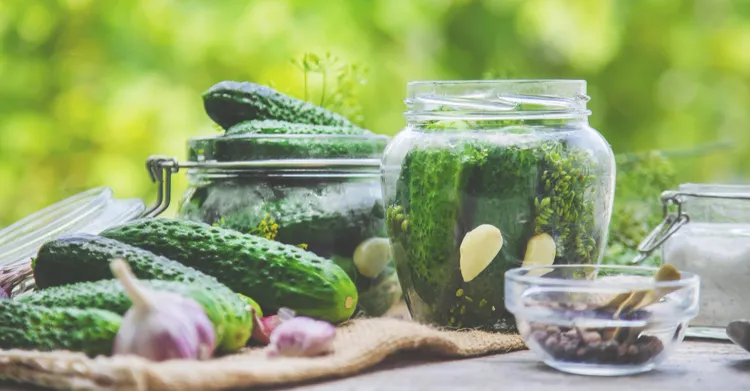
A brief soak, typically 30 minutes to a few hours, in a vinegar, sugar, and salt brine produces a quick pickle with real tang and crunch retained, distinct from the longer, more involved processing covered in our preservation guide. Quick pickles don't achieve the same shelf-stable preservation as a properly canned pickle, but they're a fast, low-commitment way to add bright acidity to a meal without any canning equipment or extended time investment.
Cooking Cucumber: A Less Common but Real Application
Sautéing or briefly stir-frying cucumber, common in some Chinese and other Asian cooking traditions, produces a genuinely different texture and flavor than raw cucumber, softened but still retaining some bite, with a milder, slightly sweeter flavor than raw fruit carries. This works particularly well with cucumber varieties bred with thicker flesh and fewer seeds, and benefits from removing seeds first (given how much water they'd otherwise release into a hot pan) and cooking briefly over high heat to avoid the mushy texture extended cooking would produce.
Blending Into Cold Soup
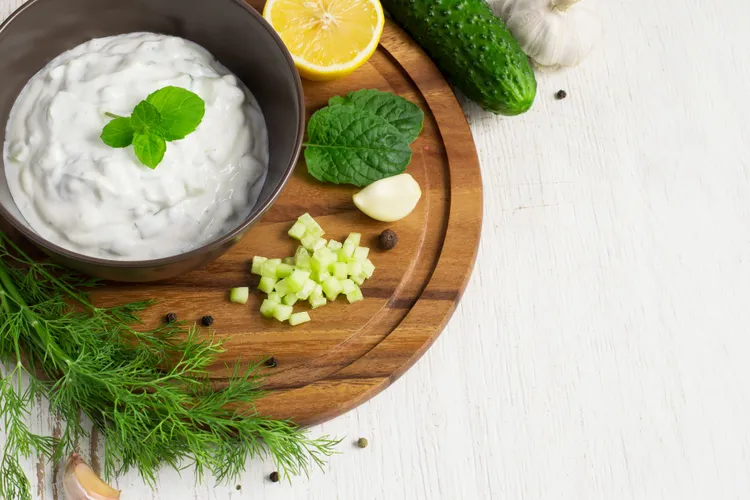
Blended raw cucumber, often combined with yogurt, herbs, and garlic, forms the base of several classic cold soups across different culinary traditions, taking advantage of cucumber's high water content and mild flavor as a genuinely refreshing, minimally processed base rather than something to work around.
A Quick Reference by Goal
- Peak fresh crunch and flavor: Raw, minimally prepared
- Want a firmer texture without excess liquid: Salted and rested, or seeded
- Want bright tang without full canning commitment: Quick pickled
- Want a genuinely different texture and flavor: Briefly sautéed or stir-fried, seeded first
- Want a refreshing cold dish: Blended into a cold soup base
Frequently Asked Questions
Should cucumbers always be peeled before cooking or eating? Not necessarily; unpeeled cucumber retains more fiber and vitamin K, covered in the nutrition guide, and many varieties have thin enough skin to eat comfortably unpeeled, though thicker-skinned or waxed commercial cucumbers are often more pleasant peeled.
Does salting cucumber remove its nutritional value along with the water? Some water-soluble nutrients are lost along with the released liquid, though the effect is modest; salting remains primarily a texture and flavor-concentration technique rather than a significant nutritional tradeoff.
Can frozen cucumber be used in cooked applications? Cucumber freezes poorly for most uses given how much its high water content suffers from ice crystal damage on thawing, producing a mushy, watery result; it's generally not recommended except for blended applications like a smoothie or cold soup where texture matters less.
Why do some cucumber salads call for making the dressing well ahead of serving? This is less about the dressing itself and more about giving salted cucumber enough resting time to release excess water before combining with other ingredients, avoiding a watered-down final dish.
A Quick Reference by Goal
- Peak crunch: Raw
- Concentrated flavor, no dilution: Salted and rested
- Firm filling texture: Seeded
- Bright tang, no canning needed: Quick pickled
- Different texture and flavor entirely: Sautéed or stir-fried
Building Comfort Across Methods
A cook who only eats cucumber raw misses out on quick pickling's bright tang and the genuinely different character cooked cucumber offers; trying each method at least once builds a fuller sense of what this vegetable can do.
Frequently Asked Questions
How long can salted cucumber sit before it's over-salted? Beyond about 30 to 45 minutes, cucumber can start tasting noticeably salty rather than just seasoned; rinsing briefly after salting, before patting dry, helps control this.
Can I skip salting if I'm short on time? Yes, though expect a wetter final dish, particularly in a dressed salad or dip where excess liquid is more noticeable.
Is there a best knife technique for cucumber? A sharp knife matters more than technique specifically, since cucumber's high water content means a dull blade crushes cells rather than cleanly slicing, releasing more liquid than necessary.
Matching Effort to Occasion
A quick snack calls for simple raw slices; a dinner party side dish might justify the extra step of salting and dressing properly. Matching method to occasion, rather than always defaulting to the simplest option, gets more out of cucumber's genuine versatility.
Cucumber's simplicity as an ingredient is itself part of its versatility, few strong flavors of its own to work around, making it an easy canvas for whichever method or pairing a given dish actually calls for.
Simplicity, done well, is still a genuine culinary skill worth developing.
Cucumber in Composed Dishes
Beyond standalone salads, cucumber works well as a textural element within a larger composed dish, layered into a sandwich, added to a grain bowl, or used as a garnish, where its crunch and mild flavor provide contrast against richer or heavier components without needing to be the dish's central focus.
Because cucumber loses crispness relatively quickly once cut, prepping it close to serving time, rather than far in advance, generally produces a better final texture, particularly for a dish meant to showcase fresh crunch rather than one where softening won't be noticeable.
Building a Personal Cucumber Repertoire
Over a season or two of regular cooking, most households settle into a small set of go-to cucumber preparations, a favorite quick salad, a reliable salting technique, perhaps a go-to quick pickle, and that settled repertoire is a genuine sign of comfort with an ingredient that initially seems almost too simple to need much technique at all.
That comfort, once built, makes reaching for cucumber in a new context feel natural rather than uncertain.
Regional Cooking Traditions
Different culinary traditions have developed genuinely distinct default approaches to cucumber, from the salted-and-dressed European style to the smashed-and-dressed approach common in some Chinese cooking, each offering a slightly different technique worth exploring beyond whichever style happens to be most familiar in a given household.
There's no single best way to prepare a cucumber, only the best method for a given moment, occasion, and mood, and building comfort across the range covered in this guide gives genuine flexibility rather than reliance on just one familiar approach.
Flexibility, more than mastery of any single method, is the real goal here.
As with garlic and ginger covered elsewhere in this content series, the real skill with cucumber isn't memorizing a fixed set of rules but building enough hands-on familiarity that the right method for a given moment starts to feel obvious rather than effortful.
Comfort with more than one method opens up considerably more of what this vegetable can offer.
One Last Practical Note
Keeping both a sharp knife and a reliable source of good salt readily accessible in the kitchen removes two of the most common small barriers to preparing cucumber well, since both the crisp raw slice and the properly salted, water-drawn preparation depend directly on these two simple tools being on hand and in good condition.
Even an experienced cook benefits from occasionally revisiting the basic salting technique covered in this guide, since it's easy to skip during a rushed weeknight and easy to forget just how much it improves a dish once it becomes a less frequent habit.
A quick refresher on the basics never hurts, even for a familiar ingredient.
Good technique, applied consistently, does more for a simple vegetable like cucumber than any elaborate recipe ever could on its own.
Every time, without exception.
A humble vegetable rewarded by a little genuine care.
A humble vegetable, rewarded by a little genuine care and the willingness to try more than one approach.
Simple food, done thoughtfully, is still genuinely good food.
That's really all there is to it.
The techniques covered throughout this guide, salting, seeding, quick pickling, occasional cooking, aren't complicated, but applying them thoughtfully rather than skipping them out of habit is what turns an ordinary cucumber dish into a genuinely well-executed one, worth the small extra effort each time.
Every time it counts.
Latest