When and How to Harvest Cucumbers
Why leaving cucumbers on the vine too long slows down the whole plant's future production, and how to read size and firmness cues correctly for slicing and pickling varieties.
Cucumber plants respond to fruit left too long on the vine in a way most gardeners don't expect: they slow down production of new fruit. This single fact makes frequent, even slightly early harvesting one of the more counterintuitive but genuinely high-leverage habits in this entire framework.
Why Overripe Fruit Slows Down the Whole Plant
A cucumber left on the vine past its ideal picking size continues maturing toward seed production, its biological goal, and a plant that senses it has successfully matured seed-bearing fruit shifts energy away from producing additional flowers and fruit. In practical terms, this means a single overlooked, overripe cucumber doesn't just represent one lower-quality fruit, it can measurably reduce the plant's total output for the rest of the season. This is a genuinely different dynamic than most of the other fruiting crops covered in this framework, where leaving fruit slightly longer mainly affects that individual fruit's quality rather than the whole plant's future productivity.
Reading Size and Ripeness Correctly
Unlike a fruit judged primarily by color, cucumbers are harvested primarily by size and firmness, since color change is a less reliable indicator and by the time a cucumber shows the yellowing associated with overripeness, it's already well past ideal eating quality.
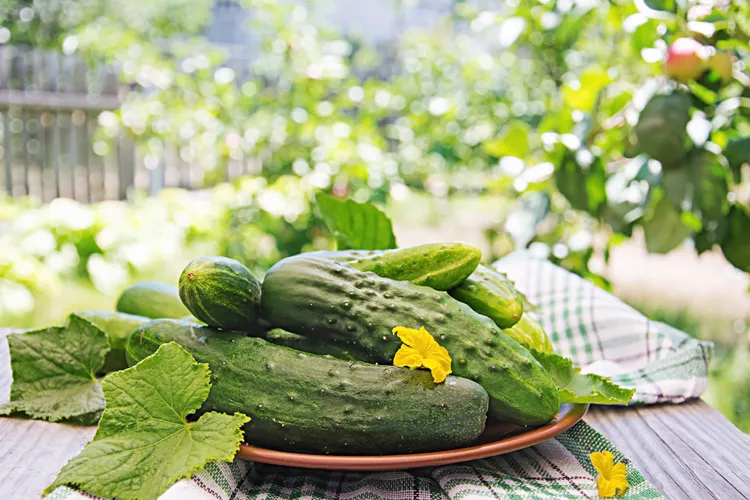
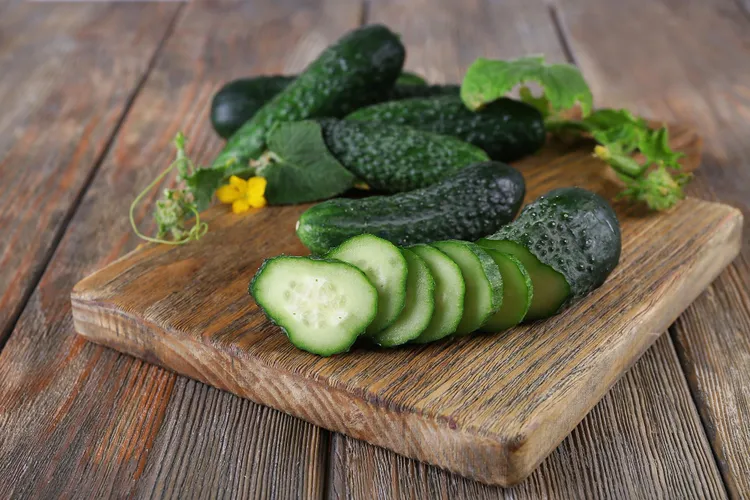
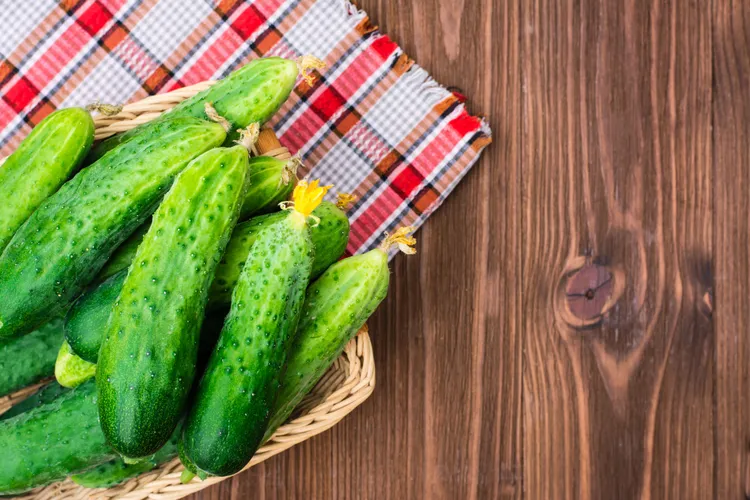
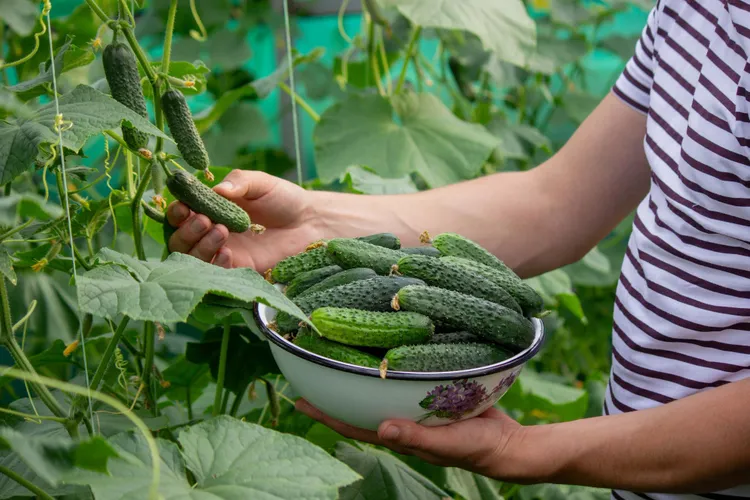
- Slicing cucumbers: Typically harvested at 6 to 8 inches (15 to 20cm), firm throughout with consistent width from end to end; a cucumber that's noticeably bulged in the middle has likely already begun developing large, tough seeds.
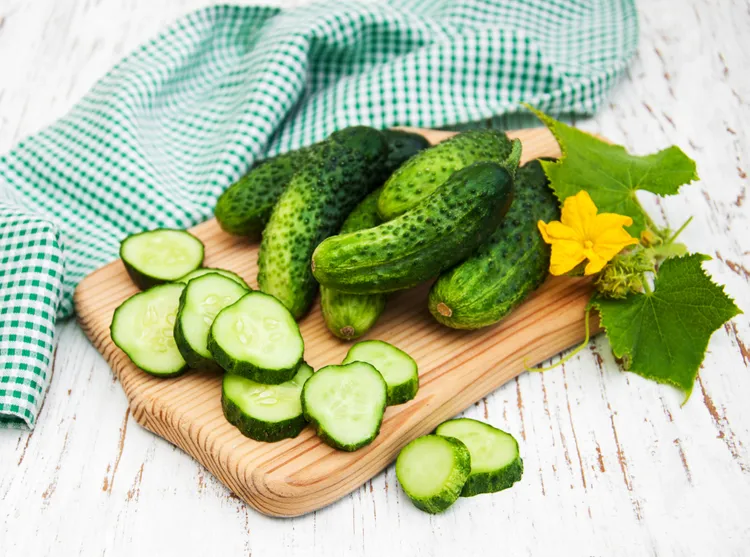
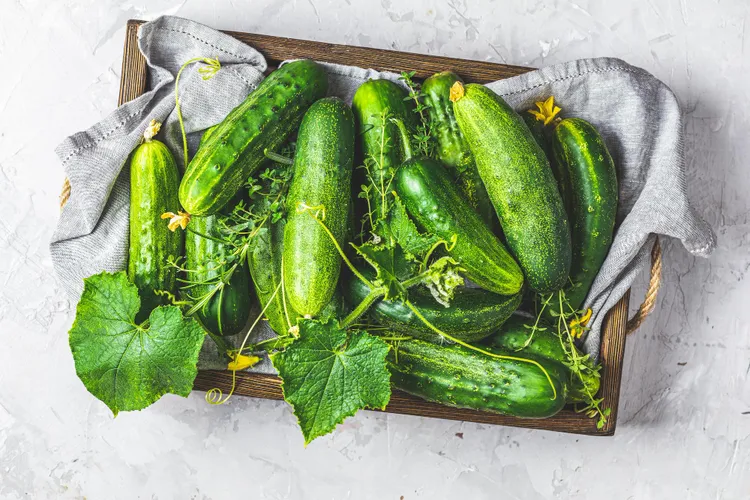
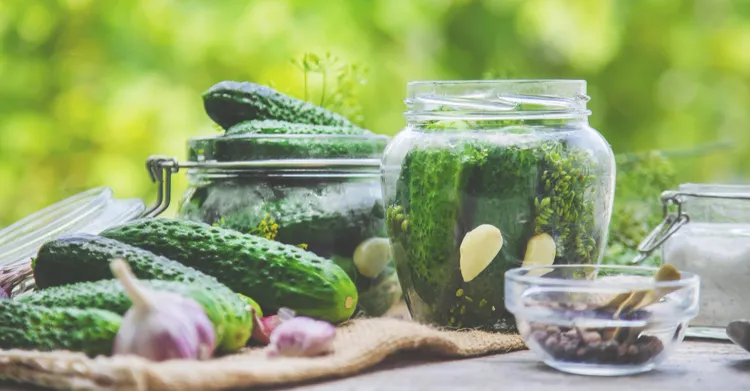
- Pickling cucumbers: Typically harvested smaller, 2 to 4 inches (5 to 10cm) depending on the specific pickle style intended, since smaller fruit have less-developed seeds and a denser texture better suited to pickling.
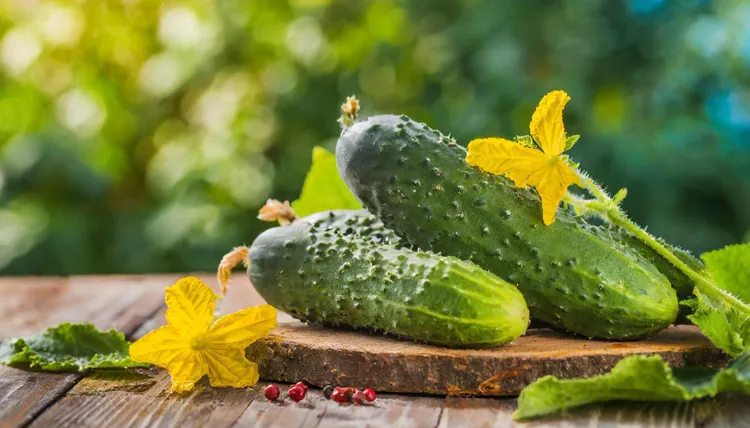
- Color: A healthy, deep green color throughout; yellowing, particularly starting at the blossom end, signals a cucumber has moved well past ideal harvest size and is likely to be bitter, seedy, or tough.
Harvest Frequency
During peak season, a productive, well-watered vine can develop harvestable fruit within just a couple of days, meaning checking every one to two days is necessary to catch cucumbers at their ideal size rather than letting them slip past it. This is a more frequent check-in requirement than several of the other crops covered in this framework, directly tied to how quickly cucumbers grow and how much a single overlooked fruit can cost the plant's future productivity.
Harvesting Technique
Rather than pulling or twisting, which can damage the vine, cut the stem with scissors, garden snips, or a knife, leaving a short stem segment attached to the fruit. Cucumber vines are more brittle than they might appear, and a forceful pull can damage or snap the vine, affecting the plant's ability to continue producing for the rest of the season, another reason gentle, deliberate harvesting technique matters more here than it might for a sturdier plant.
What to Do With an Overripe Cucumber
A cucumber discovered past its ideal size, large, possibly yellowing, with tough, developed seeds, should still be picked promptly even if it's not going to be eaten fresh, since leaving it on the vine continues to signal the plant to slow production. An overripe cucumber can often still be used, peeled, seeded, and used in a cooked application where texture matters less, or set aside specifically for seed saving if it's a favorite open-pollinated variety worth propagating, covered briefly in the planting guide's broader context.
Harvesting During a Vacation or Absence
Because missed harvests genuinely cost future productivity, arranging for someone to check and pick a productive cucumber patch during any absence longer than a few days during peak season is worth the effort, in a way that matters more for cucumbers than for many other crops in this framework where a missed check-in mainly affects that specific harvest rather than the plant's ongoing output.
Frequently Asked Questions
What if I pick a cucumber too early, before it reaches ideal size? A slightly undersized cucumber is still entirely usable, generally milder and more tender than a fully sized one; erring toward slightly early picking carries far less downside than erring toward overripe, given the productivity cost of leaving fruit too long.
How can I tell if a cucumber has gone bitter before cutting into it? There's no fully reliable external sign; bitterness, covered in more depth in the food science guide, is best managed through consistent growing conditions and, if a specific cucumber does turn out bitter, trimming the stem end and peeling, where the compound concentrates most heavily.
Does harvest timing differ for pickling versus slicing cucumbers? Yes; pickling cucumbers are deliberately harvested smaller and more frequently, since the ideal pickle size is considerably smaller than a full-grown slicing cucumber, meaning a pickling-variety vine often needs checking even more frequently during peak season.
Is it normal for cucumber production to slow down significantly by late summer even with good harvesting habits? Yes, cucumber plants naturally decline in productivity as the season progresses and as disease pressure (particularly powdery mildew) accumulates, a normal end-of-season pattern distinct from the harvest-timing-driven slowdown covered above.
A Simple Harvest Checklist
- Check vines every one to two days during peak season.
- Harvest slicing cucumbers at 6 to 8 inches, pickling types smaller.
- Cut rather than pull the stem to avoid vine damage.
- Remove any overripe fruit promptly, even if not planning to eat it.
Handling a Larger Harvest
A well-tended, trellised vine at peak season can produce more fruit than seemed plausible earlier in summer; having a storage and preservation plan ready before that peak hits avoids letting hard-earned productivity go to waste.
Frequently Asked Questions
What if I go on vacation during peak cucumber season? Arranging for someone to harvest during any absence longer than a few days protects both the current harvest and the plant's future productivity, given how directly overripe fruit left on the vine slows down subsequent production.
Can I tell a cucumber's ripeness by squeezing it? Firmness is a reasonable general indicator, though size relative to the variety's expected mature size remains the more reliable primary cue.
Does harvest technique differ between bush and vining varieties? The core technique, cutting rather than pulling, and checking frequently, applies equally to both; vining varieties on a trellis are often simply easier to spot and access than a sprawling bush variety's fruit hidden under foliage.
Learning From Each Season's Harvest
Tracking roughly how often a productive vine actually needs checking during peak season, and noting which size cucumbers tasted best, builds a more refined personal sense of ideal harvest timing for future seasons than relying purely on general written guidance.
Coordinating Harvest With Preservation Plans
For a household planning a pickling session, timing harvest specifically around when pickling cucumbers reach their smaller ideal size, rather than harvesting on the same general schedule as slicing varieties, produces better results for that specific end use.
Cucumber harvest timing rewards frequent, low-stakes checking rather than careful, occasional deliberation; a missed cucumber this week is a lesson for next week, not a permanently lost opportunity the way an underripe strawberry might be.
A little frequent attention during peak season protects both the current harvest and everything the vine still has left to give.
Recognizing the Difference Between a Slow Week and a Problem
A cucumber vine that seems to be producing less than the previous week isn't necessarily a sign of a growing problem; natural fluctuation in flowering and fruit set, along with the season's overall natural decline as summer progresses, both produce normal variation that doesn't always call for troubleshooting.
A Practical Harvest Container Setup
Keeping a dedicated harvest basket or bag near the garden entrance during peak season, ready to grab during a quick daily check rather than needing to be located first, removes one small barrier that can otherwise turn a two-minute harvest check into a postponed chore.
Given how quickly cucumbers cycle from flower to harvestable fruit, a single growing season offers many repetitions of the harvest-timing judgment call, considerably more than a slower crop would provide, meaning real confidence in reading size and firmness cues builds faster here than almost anywhere else in this framework.
Every check of the vine, even a quick one, adds to a growing, genuinely useful sense of timing that only improves with practice.
Keeping garden snips or a small knife dedicated specifically to harvesting, stored somewhere easy to grab on the way out to check the vines, removes one small friction point that can otherwise turn a quick daily check into a postponed chore during a busy week. Given how directly harvest frequency affects total season yield, covered throughout this guide, removing small barriers like this has a genuinely outsized practical impact for cucumbers specifically.
Where an overripe tomato or strawberry mainly affects that single piece of fruit, an overripe cucumber left too long on the vine sends a signal that measurably slows the whole plant's future output, a genuinely distinct dynamic worth remembering specifically because it doesn't map onto the harvest intuitions built from those other crops.
Turning Frequent Harvesting Into a Pleasant Habit
Rather than treating the need for frequent harvest checks as a chore, many gardeners find a genuine daily pleasure in the quick walk out to check a productive vine, treating it as a small, reliable moment of connection with the garden rather than an obligation, which makes the necessary frequency feel considerably less burdensome over a full season.
Value of a Predictable Routine
Building a specific time of day, most often morning, into a daily or near-daily routine for checking a productive vine turns an easily forgotten task into a dependable habit, considerably more effective over a full season than relying on remembering to check whenever it happens to come to mind.
Compared to the harvest guidance covered for tomatoes, strawberries, and ginger elsewhere in this content series, cucumber harvesting asks for the highest frequency of check-ins relative to how quickly a missed window costs future productivity, a genuinely distinct rhythm worth internalizing on its own terms rather than assuming it matches any of those other crops' timelines.
A quick daily habit, more than any elaborate technique, is what separates a good cucumber season from a merely adequate one.
A vine checked regularly and picked promptly rewards that attention with a longer, more productive season than one left to its own devices, a simple trade worth making every single week of summer.
Worth the daily walk out to the garden, rain or shine.
Every single time.
A season's rhythm, built one small check at a time.
Simple, repeatable, and genuinely worth the daily effort during peak season.
Worth it, every single check.
Consistent, small, worthwhile.
Latest