How to Preserve Cucumbers (Quick Pickles, Canning, Fermenting)
The real food safety rules behind canning cucumber pickles, plus quick refrigerator pickles and traditional fermenting as alternatives.
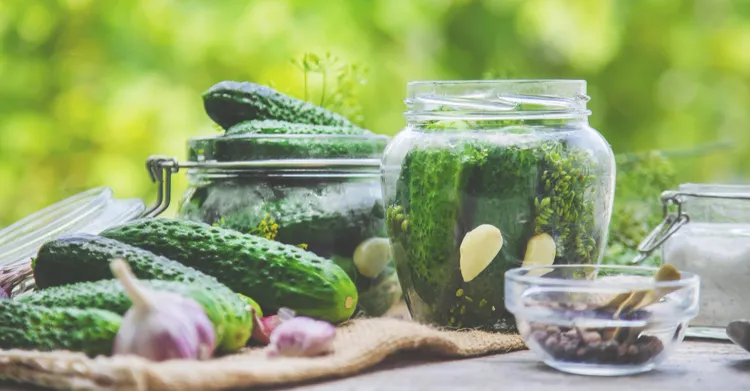
Pickling is the single most iconic cucumber preservation method in this entire framework, and it also carries real food safety rules that matter for genuine reasons, not just recipe tradition, worth following exactly rather than improvising.
Quick Refrigerator Pickles
The simplest preservation method covered in this guide: cucumber slices or spears combined with a vinegar, salt, and sugar brine, refrigerated rather than heat-processed. Refrigerator pickles don't require canning equipment or precise processing times, and they keep for several weeks to a couple of months refrigerated, though they're not shelf-stable at room temperature the way a properly canned pickle is, since they haven't gone through the heat processing that creates a genuinely sealed, safe-at-room-temperature jar.
Water-Bath Canning: The Real Food Safety Rules
Properly canned, shelf-stable pickles require water-bath processing following a tested recipe's specific brine acidity and processing time, similar in underlying safety logic to the tomato canning guidance covered elsewhere in this content series. Cucumbers themselves are low-acid, meaning the vinegar in a pickling brine isn't just for flavor, it's what brings the overall mixture to a safe acidity level for room-temperature, shelf-stable storage. Using a tested recipe's specified vinegar-to-water ratio exactly, rather than diluting for a milder flavor or reducing vinegar to taste, matters for genuine safety reasons, not just recipe accuracy.
A standard approach: pack cleaned, trimmed cucumbers (often pickling varieties specifically, given their size and density) into sterilized jars with dill, garlic, and other flavorings, cover with a hot brine of vinegar, water, and salt at the ratio a tested recipe specifies, and process in a boiling water bath for the time that recipe indicates based on jar size.
Why Pickling Cucumbers Work Better Than Slicing Varieties
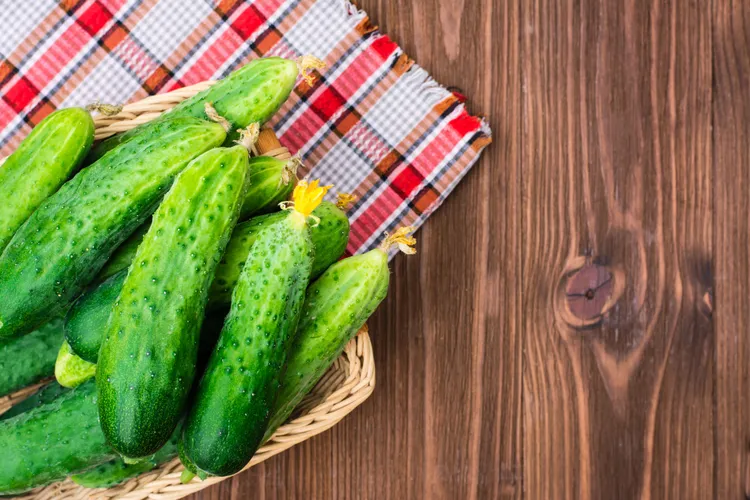
As covered in our planting guide, pickling varieties are bred with denser flesh and fewer, smaller seeds than slicing cucumbers, holding their crunch and structure through the pickling process considerably better. Slicing cucumbers can still be pickled, particularly for quick refrigerator pickles where texture matters less than for a longer-processed, shelf-stable version, but a dedicated pickling variety produces a noticeably crisper, better-textured final pickle for serious canning projects.
Getting a Crisp, Not Mushy, Pickle
A few practical factors most directly affect final pickle crispness: using freshly harvested cucumbers rather than ones that have already softened in storage, trimming a thin slice off the blossom end (which carries enzymes that can contribute to softening during storage), and not over-processing beyond a tested recipe's specified time, since excess heat exposure breaks down cell structure further than necessary for safety. Some traditional recipes also call for a calcium-based firming agent or grape or oak leaves (containing tannins believed to help retain crispness), though modern tested recipes achieve reliable crispness without these additions given proper technique otherwise.
Fermenting Cucumbers
Traditional fermented pickles, distinct from vinegar-based pickling, rely on a saltwater brine and naturally occurring lactic acid bacteria to both flavor and preserve cucumbers over one to several weeks at room temperature, similar in principle to the fermented garlic covered elsewhere in this content series. Fermented pickles develop a genuinely different, more complex tangy flavor than vinegar pickles, and once fermentation is complete, they should move to refrigeration to slow further fermentation and extend usable life.
A Quick Reference by Goal
- Fast, low-commitment, refrigerated only: Quick refrigerator pickles
- Shelf-stable, requires exact recipe adherence: Water-bath canned pickles
- Complex, traditional tangy flavor: Fermented pickles
Frequently Asked Questions
Can I adjust a pickle recipe's vinegar amount to make it milder? Not for a shelf-stable canned recipe; reducing vinegar below a tested recipe's specified amount can leave the final product below a safe acidity level for room-temperature storage, a genuine safety concern rather than just a flavor preference, similar to the acidification rules covered for tomato canning elsewhere in this framework.
Is a cloudy pickling brine a sign of spoilage? Mild cloudiness can be normal, particularly in fermented pickles where it often reflects natural bacterial activity; a strongly off odor, visible mold, or a bulging jar lid are the more reliable signs of genuine spoilage requiring discarding, similar to the spoilage signs covered for other canned goods in this content series.
How long do properly canned pickles last? Properly processed, sealed jars typically maintain good quality for 12 to 18 months in a cool, dark pantry, though they generally remain safe considerably longer than that provided the seal has held.
Can pickling cucumbers be used for quick refrigerator pickles too, or only slicing cucumbers? Either works well for quick refrigerator pickles, since the shorter timeline and lack of heat processing make texture differences between the two types less pronounced than in a longer-processed canned pickle.
A Quick Reference by Goal
- Fast, refrigerated only: Quick refrigerator pickles
- Shelf-stable, follow recipe exactly: Water-bath canned pickles
- Complex traditional flavor: Fermented pickles
Starting Simple Before Trying More Involved Methods
Quick refrigerator pickles are the lowest-risk starting point for anyone new to preserving cucumbers, no canning equipment or precise acidification required, before moving to full canning or fermenting.
Frequently Asked Questions
Do quick refrigerator pickles need the same vinegar ratio as canned pickles? Not for safety, since refrigeration itself is the preservation method rather than acidity; ratios can be adjusted more freely to taste than a shelf-stable canning recipe allows.
Can I reuse pickle brine for a new batch? Once-used brine has weakened somewhat and picked up cucumber flavor, generally fine for a quick refrigerator pickle but not recommended for a food-safety-critical canning recipe.
How long does fermentation typically take? Anywhere from several days to a few weeks depending on temperature and desired tanginess, checked by taste along the way.
Balancing Convenience Against Effort
A household eating pickles occasionally is well served by quick refrigerator pickles alone; a household wanting shelf-stable jars for gift-giving or year-round pantry use benefits from investing time in proper canning technique.
Preservation and Cucumber's Short Season
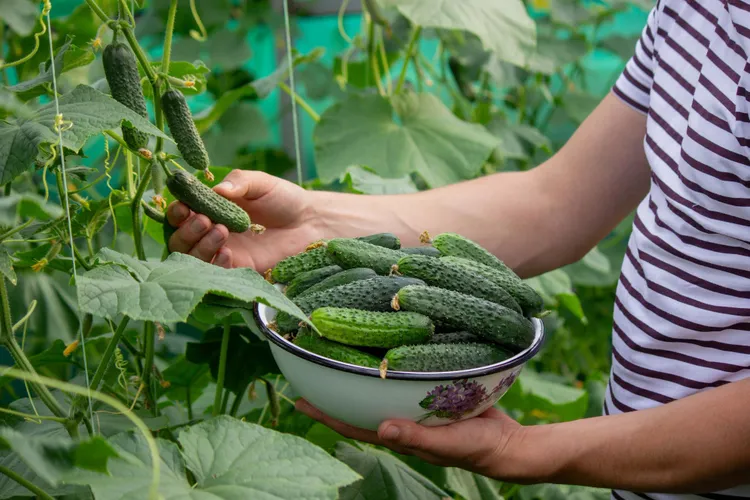
Given how quickly a productive vine can outpace fresh use, and how fast cucumbers decline once picked, preservation is what turns a brief, intense summer harvest into something that lasts well beyond the growing season itself.
Pickling remains one of the most rewarding, approachable preservation projects covered across this content series, a genuinely satisfying way to turn a summer's abundance into something that lasts well into the following winter.
A single afternoon spent pickling can genuinely stock a pantry shelf for months, worth the modest time investment during peak season.
Scaling Up a Preservation Project
Once comfortable with a basic quick-pickle or small canning batch, scaling up to process a full peak-season harvest at once, rather than making small batches repeatedly, is often more time-efficient overall, provided enough jars, brine ingredients, and canning equipment are on hand for a larger single session.
Labeling and Organizing a Pickle Pantry
Clearly labeling jars with pickling date and style, sweet, spicy, dill, fermented, prevents confusion later in the year when several different batches might be sitting on the same shelf, and helps track which jars are oldest and should be used first.
A Note on Building Preservation Confidence
For anyone newer to home preservation generally, cucumber pickling is one of the more forgiving, lower-stakes projects to start with compared to some of the more safety-critical preservation methods covered elsewhere in this content series, a reasonable place to build genuine hands-on canning or fermenting experience.
A single successful pickling season often builds enough confidence to tackle more involved preservation projects the following year.
For anyone newer to home preservation generally, cucumber pickling remains one of the more forgiving, lower-stakes projects to start with compared to some of the more safety-critical preservation methods covered elsewhere in this content series, a genuinely reasonable place to build real hands-on canning or fermenting experience before tackling a more demanding project.
Where garlic's preservation guide centers heavily on a specific safety concern around oil storage, cucumber preservation carries its own distinct safety consideration, proper acidification for shelf-stable canning, but otherwise remains one of the more approachable preservation projects in this content series once that core rule is understood and followed.
Experimenting With Flavor Variations
Once the core safety fundamentals of a tested canning recipe are understood, experimenting with different spice additions, mustard seed, coriander, different chili varieties, within the safe base brine ratio is a reasonable and genuinely enjoyable way to personalize a pickle recipe without compromising safety.
Preservation is what turns a brief, sometimes overwhelming summer glut into a resource that keeps paying off well into the following months, a genuinely worthwhile use of a little extra time during peak season.
A little effort now, a lot of payoff later in the year.
Compared to the preservation methods covered for other ingredients in this content series, garlic's oil-safety concerns, tomato's canning acidity rules, cucumber pickling follows a similarly important but well-documented acidification rule, making it a reasonable extension of preservation skills already built elsewhere in this framework.
A rewarding, approachable project worth returning to summer after summer.
Setting aside a specific day or weekend during peak cucumber season, rather than hoping to fit pickling in whenever time allows, tends to produce more consistent, better-planned results than attempting preservation reactively once a surplus has already begun to soften on the counter.
Realistic Batch Sizing
Starting with a smaller batch size than a full peak-season harvest might suggest, particularly for a first attempt at canning or fermenting, keeps the process manageable and the stakes low while the core technique is still being learned, with batch size scaling up naturally as confidence builds.
Start small, build confidence, and scale up naturally from there.
A modest first batch is still a genuine, worthwhile accomplishment.
Celebrate it, and build from there next season.
Every jar on the shelf represents a small, real accomplishment.
Every jar on the shelf represents a small, genuinely real accomplishment worth being proud of.
Small steps, real results, season after season.
Real, tangible, and satisfying every time.
Whether the end result is a quick batch of refrigerator pickles made on a weeknight or a full shelf of carefully processed canned jars from a dedicated weekend project, both represent a genuine, worthwhile way to extend a summer harvest's value well beyond the growing season itself.
Both are worth doing well.
Latest