What Pairs With Cucumbers (Dill, Yogurt, Vinegar, and More)
Why cucumber's mild flavor makes it such a flexible pairing partner, from classic dill and yogurt combinations to vinegar, sesame, and chili.
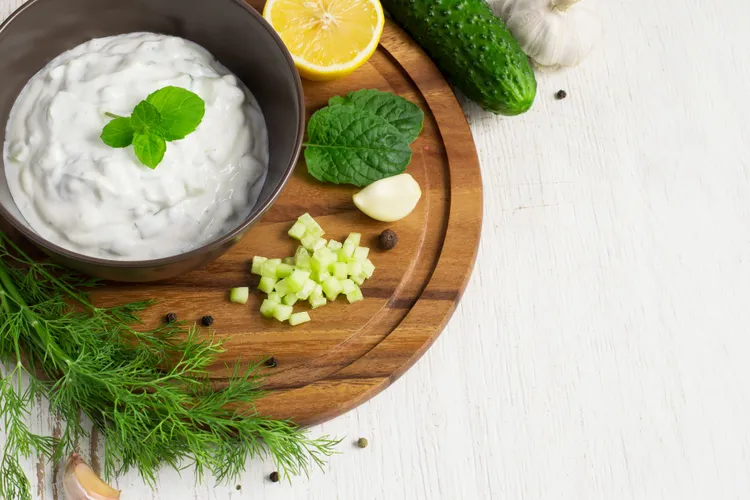
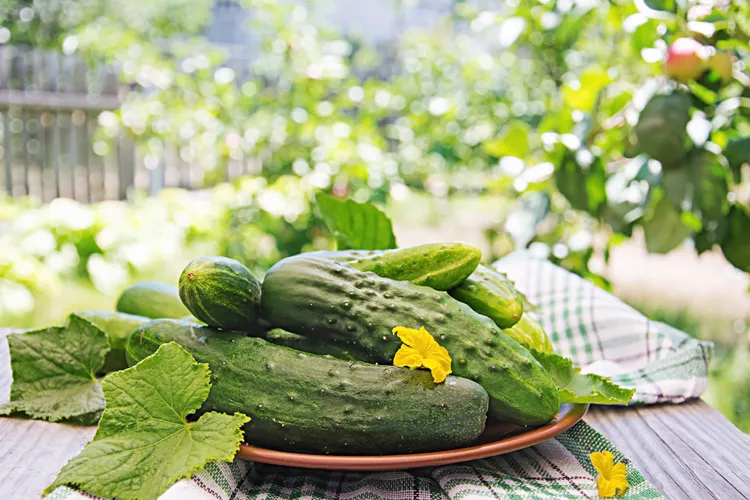
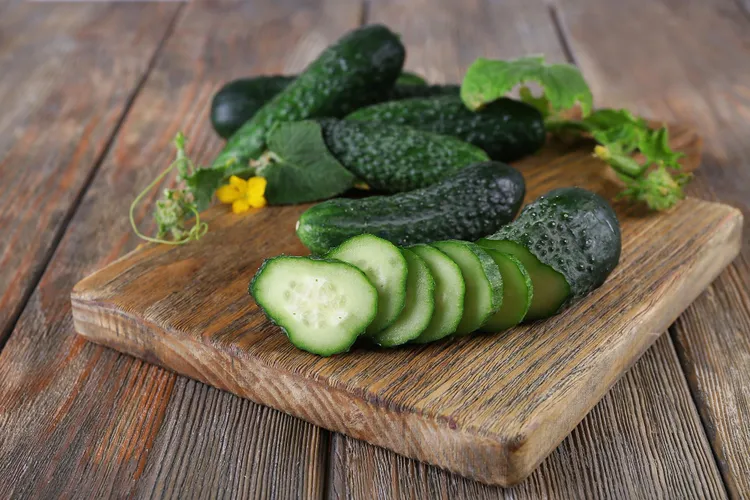
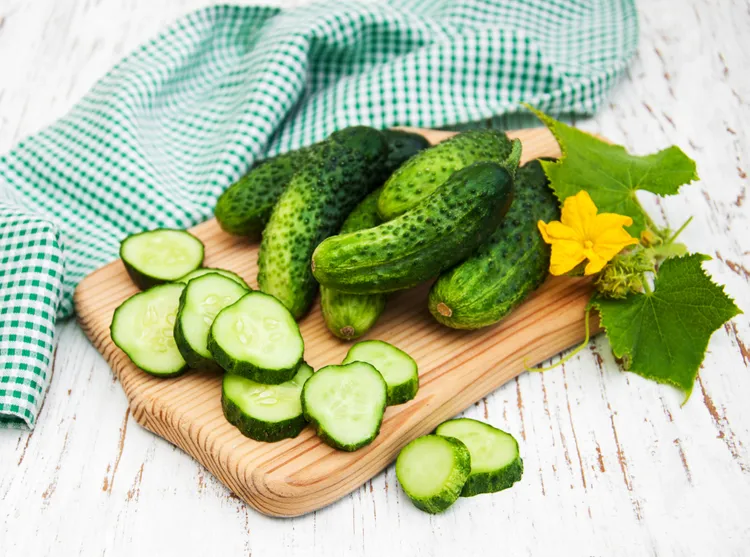
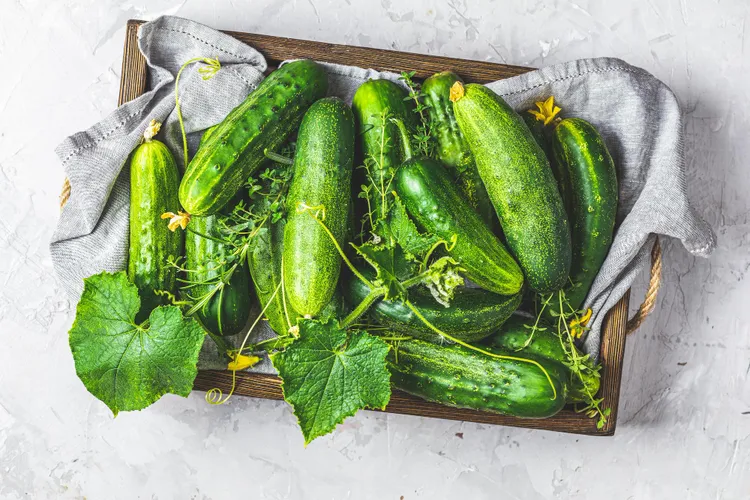
Cucumber's mild, watery flavor makes it one of the more flexible pairing partners in this entire framework, a blank enough canvas that it takes on whatever direction its pairing pushes toward, from a cooling yogurt dip to a sharp vinegar-forward pickle.
Cucumber and Dill
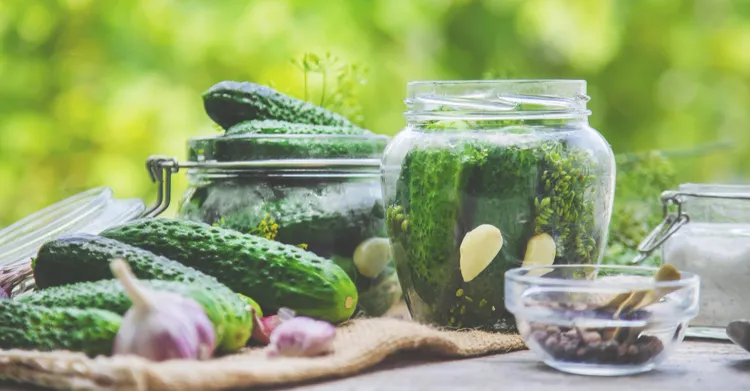
The most iconic pairing on this list, dill's bright, slightly anise-like flavor complements cucumber's mildness in a way that's become nearly synonymous with cucumber preparations generally, particularly in pickling and in cold salads and soups across Northern and Eastern European cooking traditions especially.
Cucumber and Yogurt
Yogurt's tang and creaminess round out cucumber's watery crispness, a pairing found across a genuinely wide range of culinary traditions: Greek tzatziki, Indian raita, Middle Eastern and Turkish cacık, and Persian mast-o-khiar all build on this same basic combination with regional variations in seasoning. The pairing works particularly well because yogurt's thickness helps compensate for cucumber's high water content, especially when the cucumber has been salted first as covered in the cooking methods guide.
Cucumber and Mint
Mint's cooling brightness pairs naturally with cucumber's own refreshing character, a combination especially common in summer salads, infused water, and cold beverages, similar in spirit to the mint pairing covered for strawberries elsewhere in this content series, though cucumber and mint lean more consistently savory or neutral than the sweeter strawberry-mint combination.
Cucumber and Vinegar
Vinegar provides sharp acidity that cucumber's mild flavor doesn't offer on its own, the foundational relationship behind both quick pickles and classic vinegar-and-cucumber salads found across German, Chinese, and many other culinary traditions. Different vinegars shift the character considerably: rice vinegar leans lighter and slightly sweet, common in East Asian preparations, while a more assertive vinegar like apple cider or white wine vinegar produces a sharper, more traditional Western pickle character.
Cucumber and Sesame
Sesame oil and toasted sesame seeds bring nutty depth and richness that cucumber's watery crunch lacks on its own, a pairing especially common in Chinese and Korean cucumber salads, often combined with garlic, chili, and vinegar for a more complex, multi-directional flavor than a simple dill or mint pairing achieves.
Cucumber and Chili
Heat provides contrast against cucumber's cooling character, a combination found across many Asian cucumber salad traditions and increasingly in Western cooking as well, the cucumber's mildness and high water content offering a genuinely soothing counterbalance to a dish's overall heat level even as it carries some of that heat itself.
Cucumber and Garlic
A near-default aromatic addition across nearly every savory cucumber preparation covered in this guide, garlic's pungency provides a savory backbone that cucumber's mildness doesn't offer alone, appearing in pairings from tzatziki to quick pickles to Asian-style cucumber salads alike.
Cucumber and Tomato
A classic salad pairing found across Mediterranean, Middle Eastern, and many other cuisines, cucumber's cooling crunch and tomato's juicy acidity complement each other well, both being high-water-content vegetables that share a textural lightness even as their specific flavors, and the food science covered for each elsewhere in this content series, differ considerably.
Cucumber and Cream Cheese
A classic tea-sandwich pairing, cream cheese's richness provides a substantial, satisfying counterpoint to cucumber's light crispness, a simpler, more Western-leaning pairing than the yogurt-based dips covered above but built on a similar underlying logic of richness balancing cucumber's watery mildness.
Frequently Asked Questions
Why does cucumber pair so broadly across so many different cuisines? Cucumber's mild, largely neutral flavor and high water content mean it rarely competes with or clashes against other flavors, functioning more as a textural and cooling element that adapts to whatever direction a pairing pushes rather than asserting a strong flavor identity of its own.
Does cucumber pair well with fruit? Yes, particularly melon and citrus, both sharing cucumber's high water content and light, refreshing character, a pairing common in summer salads and infused beverages.
Is there a reason cucumber and salmon appear together so often? Cucumber's cooling crunch provides textural and flavor contrast against salmon's richness, a well-established pairing across smoked salmon canapés, sushi, and Nordic-style cold salmon dishes alike.
What's an unexpected pairing worth trying? Cucumber and watermelon together in a salad, often with a little feta and mint, leans on their shared high water content and light sweetness for a genuinely refreshing summer combination less common than the more traditional pairings covered above.
A Quick Reference Table
- Classic and traditional: Dill, yogurt, vinegar
- Cooling and fresh: Mint, watermelon
- Savory depth: Garlic, sesame
- Contrast: Chili
- Rich and indulgent: Cream cheese
Trusting the Pattern Over a Fixed List
Cucumber's mildness means it rarely clashes with anything; the real skill is choosing a direction, cooling, tangy, rich, spicy, deliberately rather than picking pairings at random.
Frequently Asked Questions
Does cucumber pair well with cheese beyond cream cheese? Yes, feta in particular, common in Mediterranean and Greek-style salads, playing salty brininess against cucumber's mild coolness.
Is there a reason cucumber shows up in cocktails? Its high water content and mild, faintly green flavor make it a refreshing, low-calorie addition to gin-based and other lighter cocktails specifically.
What's a pairing to avoid? Very bitter or intensely strong flavors can simply overwhelm cucumber's subtlety rather than complementing it, more a matter of proportion than a hard rule.
Pairings Across Different Culinary Traditions
Cucumber and yogurt dominates Mediterranean, Middle Eastern, and South Asian traditions in various forms; cucumber and vinegar leans more Northern European and East Asian; cucumber and sesame leans distinctly East Asian. Recognizing which tradition a dish draws from helps choose pairings that feel cohesive.
Building Your Own Pairing Instincts
The most practical way to use this guide is checking whatever's already in the kitchen, a tub of yogurt, a bottle of good vinegar, fresh herbs, against the categories covered above, since cucumber's mildness means almost any reasonably chosen pairing works.
Few vegetables move as easily between a savory Mediterranean salad, a spicy Asian pickle, and a refreshing summer cocktail as cucumber does, a genuine testament to how much mildness itself can be a culinary asset.
That adaptability is exactly why cucumber belongs in nearly every cook's regular rotation, not just a summer salad course.
Cooling, bright pairings, mint, watermelon, citrus, suit cucumber's peak summer season particularly well, while richer pairings, cream cheese, sesame, cheese, work reasonably year-round for cucumber sourced outside its natural growing season from a grocery store.
Restraint With Such a Mild Vegetable
Because cucumber's own flavor is so subtle, it's easy for a bold pairing ingredient to completely dominate a dish rather than complementing it; using a measured hand with strong flavors like garlic or chili keeps cucumber's own contribution, crunch and coolness, from disappearing entirely into the background.
Cucumber as a Supporting Player
Because cucumber so rarely dominates a dish on its own, it often plays a genuinely supporting role in a meal's overall composition, providing crunch and coolness that lets other, bolder flavors stand out more clearly by contrast rather than needing to compete with cucumber's own character for attention.
That supporting role is a genuine strength, not a limitation, worth appreciating on its own terms.
Cucumber in Non-Western Cooking Traditions
Beyond the pairings already covered, cucumber appears extensively in Southeast Asian cooking specifically, often combined with fish sauce, lime, and chili in a way that layers savory, sour, and spicy notes against cucumber's cooling crunch, a genuinely distinct flavor direction from the more European-leaning pairings covered earlier in this guide.
Jotting down a quick note whenever a new cucumber pairing turns out particularly well builds a genuinely useful personal reference over time, considerably more tailored to individual taste than any general guide, this one included, could ever fully capture.
Cucumber's pairing range, spanning savory, tangy, and refreshing beverage applications alike, makes it one of the more genuinely flexible vegetables covered across this content series, worth keeping consistently on hand during its season precisely because so many different kinds of dishes can call on it.
Its flexibility is exactly why it deserves a permanent, reliable spot in a well-stocked kitchen.
Practical Note
Stocking a small rotating selection of vinegars, herbs, and spice blends specifically with cucumber pairings in mind, rather than relying on whatever happens to already be in the pantry, makes it considerably easier to reach for a new combination on a whim rather than defaulting to the same familiar pairing every time.
Rather than overhauling a household's entire cucumber repertoire at once, introducing one new pairing at a time, alongside a familiar favorite, makes it easier to gauge genuine interest before committing to a larger shift in how cucumber typically gets used.
Small, gradual changes tend to stick better than a sudden overhaul.
One new pairing tried well is worth more than a dozen skimmed and forgotten; take it slow, and let cucumber's flexibility reveal itself gradually.
Patience pays off here, as with most things worth doing well.
Let curiosity lead the way, one dish at a time.
Let curiosity lead the way, one dish and one new combination at a time.
A little experimentation goes a long way with an ingredient this adaptable.
Worth every bit of the exploration.
Whether the goal is a classic dill-and-yogurt dip or a completely untested combination pulled together on a whim, cucumber's genuine mildness means the risk of a truly bad pairing stays low, freeing up real room for enjoyable, low-stakes kitchen experimentation all season long.
Enjoy the process.
Latest