Cucumbers: Seed to Plate
A complete lifecycle guide to cucumbers, from planting through growing, harvesting, storage, nutrition, food science, cooking methods, pairings, preservation, and recipes.
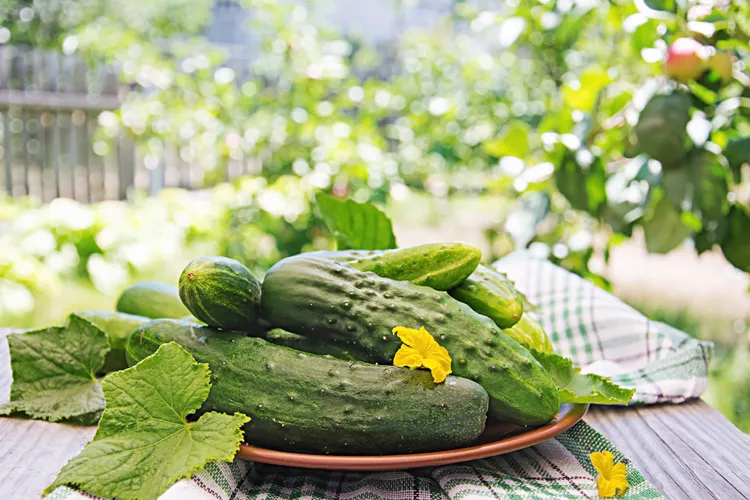
A cucumber is about 95% water by weight, which makes it easy to dismiss as nutritionally and culinarily simple. That dismissal misses a genuinely interesting plant: one that produces a bitter defensive compound concentrated right under its skin, that turns soft and translucent through a chemistry-driven pickling process rather than simple soaking, and that rewards a specific, slightly counterintuitive harvesting habit that most home gardeners get backward in their first season.
Planting: Direct Sow or Transplant, Bush or Vine
Cucumbers grow quickly enough that direct sowing outdoors is often the more practical choice over starting indoors, and the vining-versus-bush decision made at planting time determines whether a trellis is worth setting up before the plants ever go in the ground. Our planting guide covers timing, spacing, and how to choose between the two growth habits.
Growing: Consistent Water Is the Whole Game
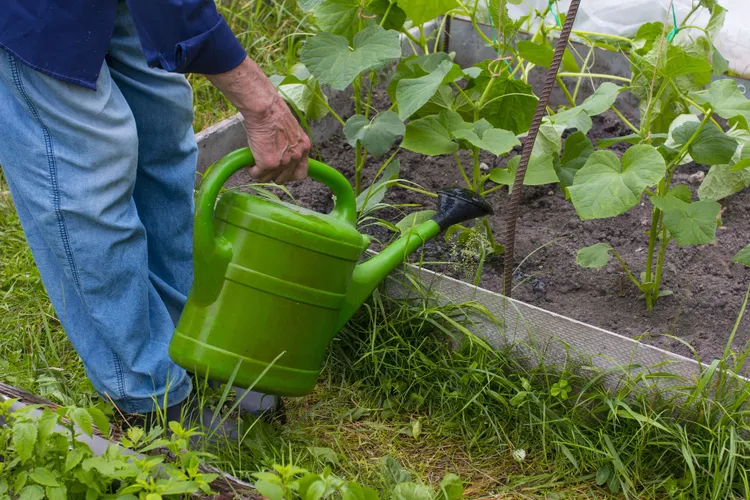
More than almost any other crop in this framework, cucumber quality comes down to one variable above all others: watering consistency. Inconsistent moisture doesn't just affect yield, it's the single biggest driver of the bitterness some home-grown cucumbers develop. Our growing guide covers trellising, watering, and pollination.
Harvesting: Why Picking More Often Means Picking More Total
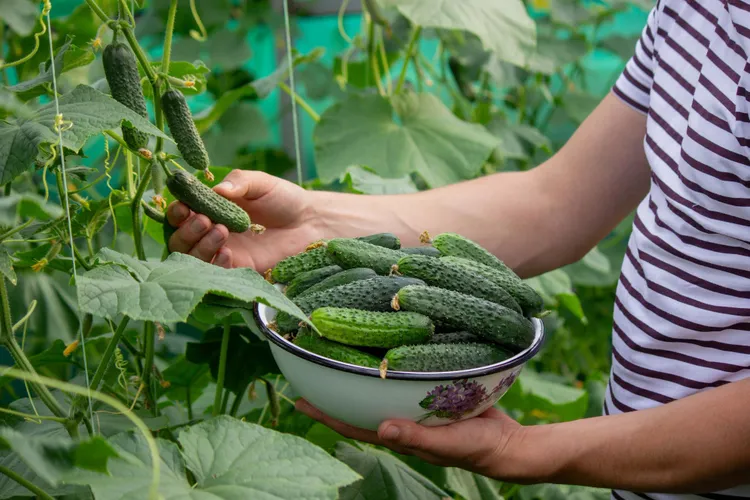
Cucumber plants respond to fruit left on the vine by slowing down production of new fruit, which makes frequent, even slightly premature harvesting one of the more counterintuitive but genuinely productive habits in this entire framework. Our harvest guide covers size cues and why an overripe cucumber left on the vine costs a gardener more than just that one fruit.
Storage: Another Chilling-Sensitive Vegetable
Like tomatoes, cucumbers are chilling-sensitive and can suffer real quality loss from standard refrigerator temperatures, a genuinely underappreciated fact given how automatically most people refrigerate them. Our storage guide covers the temperature range that actually protects cucumber quality.
Nutrition: Mostly Water, Genuinely Useful Anyway
A vegetable that's almost entirely water isn't nutritionally empty, and cucumber's hydration contribution, modest but real vitamin K and potassium content, and low calorie density all make it a genuinely useful, if unglamorous, part of a varied diet. Our nutrition guide covers what's actually in a cucumber, skin included.
The Food Science of Cucumbers
Cucurbitacins, the bitter compounds responsible for an occasional unpleasantly bitter cucumber, concentrate specifically near the stem end and just under the skin, and understanding where they come from explains both why some cucumbers turn out bitter and how to avoid it in a finished dish. Our food science guide covers this chemistry along with the crunch-and-crispness science behind cucumber's defining texture.
Cooking Methods: Mostly Raw, Sometimes Not
Cucumbers are eaten raw more often than cooked, but salting to draw out water, quick pickling, and even occasional sautéing all have real places in cucumber cooking worth understanding deliberately. Our cooking methods guide covers why salting matters so much and when heat actually works in cucumber's favor.
What Pairs With Cucumbers
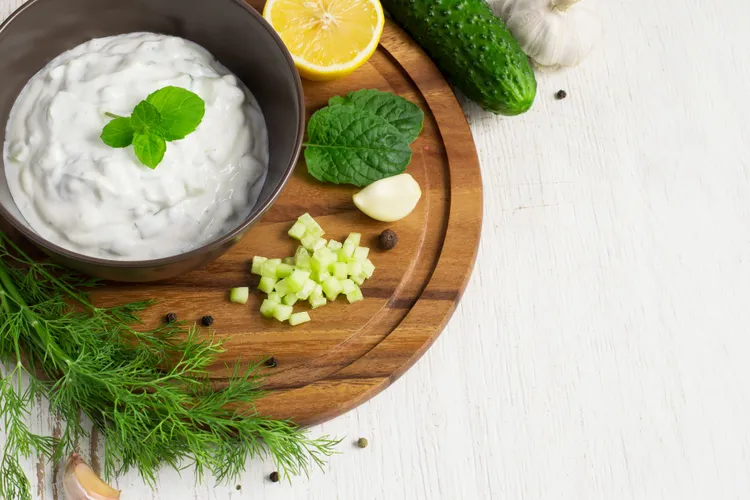
Dill and cucumber is the pairing most people already know, but yogurt, mint, and a well-chosen vinegar all deserve equal billing. Our pairings guide covers the classics and the reasoning behind why cucumber's mild flavor makes it such a flexible partner.
Preserving a Harvest
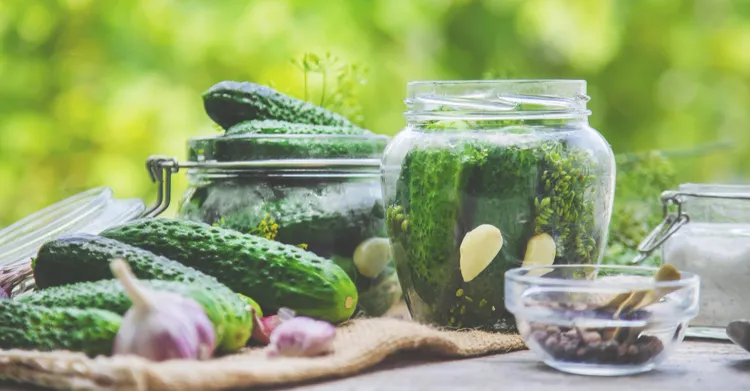
A productive cucumber vine can produce more fruit in a single week of peak summer than most households eat fresh, and pickling, the most iconic cucumber preservation method in this entire framework, has real food safety rules worth following exactly. Our preservation guide covers quick refrigerator pickles, proper canning, and fermenting.
Recipes That Use What You've Grown
The whole lifecycle exists to support this final stage. Our recipe roundup links out to tested recipes organized by how much fresh cucumber you're working with.
Why Treat Cucumbers as a System
Cucumber content online tends to split between basic salad recipes and pickling tutorials, rarely connected to the actual growing decisions that determine whether a cucumber turns out bitter, watery, or genuinely good. Treating the cucumber as a single object moving through ten linked stages surfaces those connections directly. If you're planning meals around a real harvest, our meal prep planning tool can help build a week of dishes around what's ripe, and our nutrition calculators can adjust figures for specific preparations.
Where to Start
If you're planting seed this spring, start with the planting guide and work forward. If you've got a counter full of fresh cucumbers already, skip straight to storage, cooking methods, or the recipe roundup. The ten guides below stand alone or work as a full sequence, whichever matches where you actually are.
A Realistic Timeline
Cucumbers move faster than most crops covered in this framework. Direct-sown seed germinates within 7 to 10 days in warm soil, and first harvest typically arrives 50 to 70 days after planting, a considerably shorter cycle than the multi-month or multi-year timelines covered for several other crops in this content series. Once a vine starts producing, it can continue delivering fruit every few days for weeks, tapering off as the season progresses and disease pressure accumulates, typically through mid to late summer in most temperate growing regions.
This faster cycle means the stages in this framework compress into a single growing season more tightly than for a perennial like strawberries or a long-season crop like ginger, making cucumbers a genuinely accessible entry point for a gardener wanting to see a full seed-to-plate cycle play out within just a few months.
Regional Considerations
Cucumbers are broadly adaptable across temperate and warm growing regions, though hot, dry climates raise bitterness risk considerably given the heat-and-water-stress connection covered in the growing and food science guides, making consistent irrigation even more critical than in a milder climate. Humid regions face higher powdery mildew and other fungal disease pressure, making the airflow benefits of trellising, covered in the growing guide, particularly valuable.
Cucumbers in a Small Space
A trellised vining variety makes efficient use of limited garden space, growing vertically rather than sprawling, and container growing works well for compact bush varieties, making cucumbers a reasonably space-flexible crop despite their vigorous growth habit.
A Note on This Framework's Fit for a Fast-Cycling Crop
Unlike the multi-year commitment strawberries represent or ginger's long, patient growing season, cucumbers reward a gardener within a single summer, making mistakes at any stage easier to learn from and correct the following season rather than waiting years to try again.
Frequently Asked Questions
Is growing cucumbers harder than growing other common vegetables? Not particularly; the main challenge is consistency, especially in watering, rather than any single difficult technique, and the fast growth cycle means feedback on what's working arrives quickly.
Can this framework apply to other cucurbits like squash or melon? Many of the general principles, cucurbitacin bitterness, chilling sensitivity in some cases, trellising benefits, apply broadly across the cucurbit family, though this guide is written specifically for cucumbers and some details won't transfer precisely to squash or melon.
What's the single most important stage in this entire framework? Growing-season watering consistency arguably matters most, given how directly it affects both yield and the bitterness risk covered throughout this guide.
A Framework, Not a Recipe
As with the other guides in this series, nothing here needs following start to finish. A gardener with an already-thriving vine might skip directly to harvesting and storage; someone who just bought a bag of cucumbers at a farmers market might start with cooking methods and pairings and skip the growing stages entirely. Each of the ten linked guides works as a standalone reference as much as part of a sequence.
What Makes Cucumbers Worth This Level of Depth
Cucumbers' fast growth cycle, their genuinely underappreciated chilling sensitivity, and the direct, tastable link between growing-season watering and cucurbitacin bitterness make them a distinctive entry in this content series despite their reputation as a simple, unassuming vegetable. Few crops offer as clear a cause-and-effect lesson between a single growing habit and a specific flavor outcome.
Cucumbers share cucurbit-family biology loosely related to squash and melon, chilling sensitivity similar in spirit to tomatoes, and a mild, adaptable flavor profile that pairs as broadly as garlic or ginger despite being a fundamentally different kind of ingredient. Readers moving between guides in this framework will find cucumbers occupy a genuinely unique position: fast to grow, quick to spoil, and easy to underestimate.
Getting Started This Season
If you're reading this ahead of a summer planting window, the most useful first step is simply choosing bush or vining and slicing or pickling based on your goals, then sourcing seed accordingly. Everything else in this framework follows from that single starting decision.
Keeping the Whole Picture in View
It's easy to focus narrowly on any single stage, the perfect pickling brine, or the ideal trellis design, and lose sight of how the stages connect. Cucumbers grown inconsistently turn bitter no pickling technique can fix. Cucumbers harvested perfectly but stored carelessly lose crispness they didn't need to lose. Keeping the full chain in mind is what actually delivers on a seed-to-plate approach.
Consider this pillar guide a map, and the ten linked stages the actual territory worth exploring in depth. The specific numbers and timelines will vary somewhat by climate and variety, but the overall sequence, plant, grow, harvest, store, cook, holds true almost everywhere cucumbers are grown.
A Note on Variety Selection for This Whole Framework
Growing at least one slicing and one pickling variety, even in a modest planting, sets up access to the full range of uses covered later in this framework, fresh salads from the slicing type, a genuine pickling project from the dedicated pickling variety.
Read on for the full depth behind each stage of that map.
Cucumbers Alongside the Rest of a Vegetable Garden
Because cucumbers grow quickly and can be succession planted, covered in the planting guide, they fit naturally into a garden plan that also includes slower crops like the tomatoes, garlic, and ginger covered elsewhere in this content series, filling in garden space and kitchen variety during the height of summer when those other crops may still be weeks from harvest. A gardener juggling several of these frameworks at once often finds cucumbers the fastest to deliver a tangible result, useful both for the fresh harvest itself and for building confidence early in a season that a longer-term planting like garlic or strawberries is still working toward.
A Note on Realistic Expectations for a First Season
A first attempt at growing cucumbers through this full framework, from seed to a jar of homemade pickles, rarely goes perfectly on every stage; a few bitter fruit from an early watering lapse, or a batch of pickles that turns out softer than hoped, are normal parts of learning a new crop rather than signs of failure. The fast growth cycle means there's often time for a second planting or a second pickling attempt within the same season to apply what was learned.
Whatever Stage You're Starting From
The goal of this framework is the same regardless of entry point: a clearer, more connected understanding of a fast-growing, genuinely underestimated vegetable, from a seed pressed into warm spring soil to a crisp slice on a summer plate or a jar of pickles opened months later on a winter evening.
Whatever your entry point, this pillar and its ten linked guides are built to answer the specific question in front of you while still fitting into the larger picture of how a cucumber moves from seed to table.
Consider it a map worth returning to as each stage becomes relevant to your own kitchen and garden, whether that's this season or several seasons from now once the earlier stages of this framework feel more familiar.
Read through it once from start to finish if you're brand new to growing this crop, or treat it as a reference to dip into whenever a specific question comes up, whichever approach suits how you actually like to learn.
A quick, honest note before moving on: no framework this detailed can cover every possible variety, climate, or kitchen habit perfectly, but the underlying principles, consistent water, gentle handling, understanding the chilling and bitterness chemistry, apply broadly enough to serve as a genuinely reliable foundation almost anywhere cucumbers are grown and cooked.
Latest