The Food Science of Cucumbers: Cucurbitacins and Crunch
What causes bitterness in cucumbers, why it concentrates near the stem, and the water-pressure science behind cucumber's signature crunch.
An occasional bitter cucumber isn't random bad luck; it's a specific, well-understood defensive compound concentrated in specific parts of the fruit, and understanding where it comes from explains both why it happens and how to manage it once it does.
Cucurbitacins: The Bitterness Behind an Occasional Bad Cucumber
Cucurbitacins are a class of bitter compounds produced by cucumber plants (and their relatives in the cucurbit family, including squash and melon) as a natural chemical defense against pests and grazing animals. Nearly all cucumber plants produce some baseline level of cucurbitacins, concentrated specifically in the stem, the skin, and the area just beneath the skin near the stem end, which is why trimming the stem end generously and peeling can reduce or eliminate bitterness in an otherwise bitter fruit.
What Triggers Elevated Cucurbitacin Production
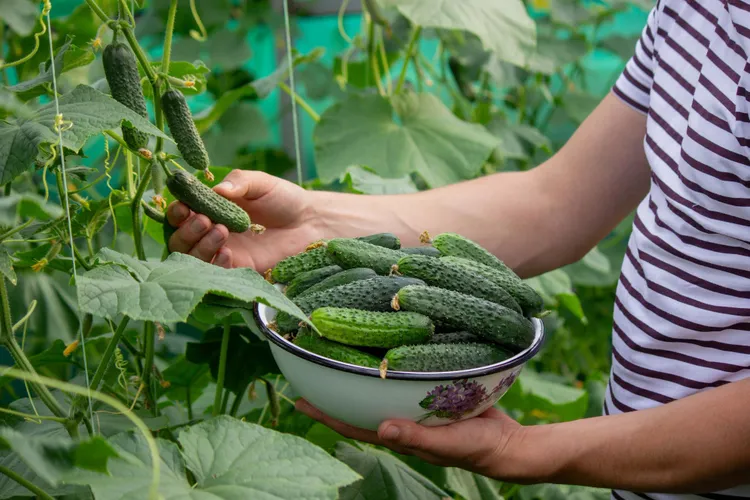
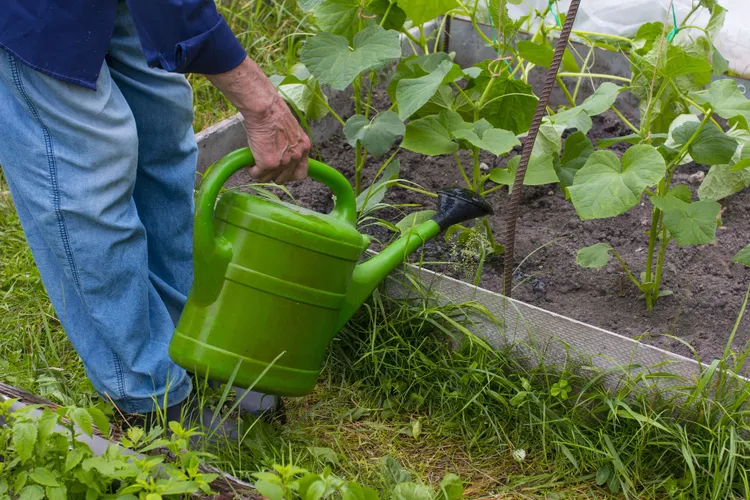
Plant stress meaningfully increases cucurbitacin production above baseline levels, and the most commonly cited stressors are exactly the growing conditions covered in our growing guide: inconsistent watering, particularly a dry stretch followed by heavy watering, extreme heat stress, and nutrient deficiency. This is why the same cucumber variety, grown under different conditions, can range from perfectly mild to noticeably bitter, and why consistent, even watering is the single most effective growing practice for minimizing bitterness risk.
Why Bitterness Concentrates Near the Stem
Cucurbitacin distribution within a single cucumber isn't even; concentration is consistently highest near the stem attachment point and tapers off toward the blossom end, with the skin and the layer just beneath it carrying more than the interior flesh. This is the practical basis for the traditional advice to cut off and discard a generous portion of the stem end before tasting or serving a cucumber, and to peel if bitterness is detected, both targeting the specific areas where the compound actually concentrates rather than treating the whole fruit as uniformly affected.
Turgor Pressure and Cucumber's Signature Crunch
Cucumber's characteristic crispness comes from turgor pressure, the outward pressure of water-filled cells pressing against their surrounding cell walls, the same basic mechanism responsible for crispness in many fresh vegetables. Because cucumber cells are so water-rich, turgor pressure plays an unusually large role in its texture compared to denser vegetables, which is part of why cucumber loses crispness so noticeably and quickly once cut, cooked, or stored improperly, all of which cause water loss or cell membrane damage that releases that pressure.
Why Salting Draws Out So Much Water
Salt applied to cut cucumber draws water out through osmosis, the same basic mechanism covered for tomatoes and other vegetables elsewhere in this content series, but cucumber's unusually high water content makes the effect especially dramatic and visible; a salted, rested batch of sliced cucumber can release a genuinely substantial amount of liquid within 15 to 30 minutes. This is the chemical basis for the salting technique covered in more depth in our cooking methods guide, used both to concentrate flavor and to prevent excess water from diluting a dressing or salad.
Why Pickling Changes Texture So Dramatically
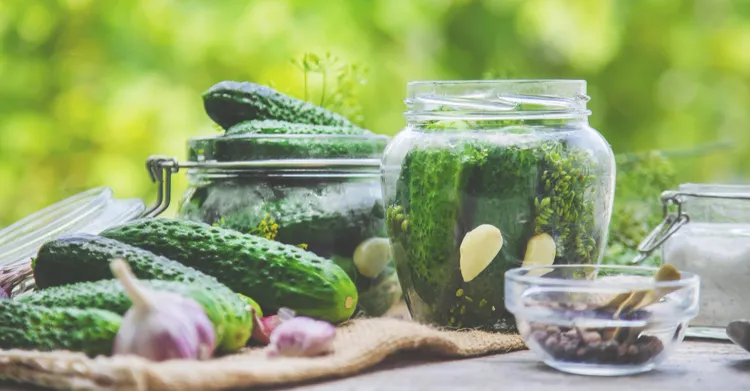
The transition from a fresh, crisp cucumber to a soft, translucent pickle involves real cell-structure changes beyond simple flavor absorption: the vinegar and salt in a pickling brine draw out water and partially break down cell wall structure over time, and heat processing in a canned pickle accelerates this further. This is why a good pickle recipe balances brine strength and processing time carefully, since too little processing leaves cucumbers under-pickled and still overly crisp in an unpleasant way, while too much can turn them mushy, covered in more practical depth in the preservation guide.
Why Cucumber Skin Feels Waxy Sometimes and Not Others
Cucumbers naturally produce a thin cuticle layer that helps the fruit retain moisture, and on some varieties or under certain growing conditions this natural cuticle can feel slightly waxy even without any commercial wax coating applied, a genuine natural trait distinct from the artificial wax coating covered in the storage guide, sometimes causing confusion about whether a specific cucumber has been treated.
Frequently Asked Questions
Is a bitter cucumber unsafe to eat? Mild bitterness from normal cucurbitacin variation is not a safety concern and is simply a flavor issue; however, in rare cases (much more common in ornamental gourds and some squash than in cucumbers specifically) extremely high cucurbitacin levels can cause genuine toxicity, so a cucumber that tastes intensely, unusually bitter, well beyond a mild off-flavor, is worth discarding rather than eating despite the bitterness.
Does variety affect how likely a cucumber is to turn bitter? Yes; some modern varieties are bred specifically for consistently low cucurbitacin production, generally marketed as "burpless" or specifically noted for mildness, a genuine breeding-driven difference worth considering for anyone who has had repeated trouble with bitter cucumbers from other varieties.
Why do cucumbers feel cool to the touch even at room temperature? This is largely a perceptual effect related to their high water content and the way water conducts heat away from skin contact quickly, rather than the cucumber actually being at a lower temperature than its surroundings.
Does cucumber's high water content affect how it should be stored differently than a denser vegetable? Yes, directly; the storage guidance covered elsewhere in this framework, particularly the sensitivity to both chilling injury and rapid water loss, traces back to this same high-water-content structure covered throughout this guide.
A Summary of the Key Mechanisms
- Cucurbitacins are bitter defensive compounds concentrated near the stem and skin.
- Plant stress, especially inconsistent watering, increases cucurbitacin production.
- Turgor pressure from water-filled cells gives cucumber its signature crunch.
- Salting draws out water dramatically given cucumber's high water content.
- Pickling changes texture through real cell-structure breakdown, not just flavor absorption.
Why This Chemistry Rewards Attention
Of the crops in this framework, cucumber offers one of the clearest direct links between a single growing practice, watering consistency, and a specific, tastable outcome, bitterness, making this chemistry unusually actionable for a home gardener.
Frequently Asked Questions
Does cooking destroy cucurbitacins? Heat doesn't eliminate them, though cooking changes overall flavor enough that mild bitterness is often less noticeable in a cooked dish than raw.
Why do English cucumbers taste milder than standard slicing cucumbers? They're often bred specifically for lower cucurbitacin content and thinner skin, both contributing to their reputation for consistent mildness.
Does refrigeration affect cucurbitacin levels? No meaningfully; storage temperature affects texture and shelf life but doesn't change bitterness levels already present at harvest.
Why Understanding This Chemistry Builds Real Garden Confidence
A gardener who understands the stress-bitterness connection troubleshoots a bitter harvest far more effectively than one following watering advice without knowing why it matters, adjusting irrigation deliberately rather than guessing at random fixes.
Few vegetables offer as direct a line from garden practice to dinner-table flavor as cucumbers do through the cucurbitacin-and-watering connection covered throughout this guide, worth remembering the next time a home-grown cucumber tastes unexpectedly sharp.
That single insight, stress creates bitterness, is worth more to a home gardener than almost any other piece of cucumber trivia.
How Commercial Growers Manage Bitterness at Scale
Commercial cucumber production relies heavily on consistent irrigation systems specifically to manage the same bitterness risk covered throughout this guide, along with breeding programs that have produced increasingly reliable low-cucurbitacin varieties over recent decades, part of why bitter cucumbers have become less common in grocery stores even as the underlying plant biology hasn't fundamentally changed.
Cucumber Relatives and Shared Chemistry
Squash, melon, and pumpkin all share the same cucurbitacin defense mechanism to varying degrees, with some ornamental gourds carrying dramatically higher levels than any edible cucumber variety would, which is why ornamental gourds should never be eaten even if they superficially resemble an edible squash or cucumber.
Passing This Knowledge Along
Explaining the cucurbitacin-and-stress connection to a fellow gardener who's struggled with unexpectedly bitter cucumbers is one of the more immediately useful pieces of food science covered across this entire content series, since it points directly toward a specific, actionable fix rather than remaining purely academic.
A single well-explained fact can save an entire season's worth of confusing, seemingly random bitter cucumbers.
Explaining the cucurbitacin-and-stress connection to a fellow gardener who's struggled with unexpectedly bitter cucumbers is one of the more immediately useful pieces of food science covered across this entire content series, since it points directly toward a specific, actionable fix, consistent watering, rather than remaining purely academic or leaving the gardener to guess at random potential causes.
Ongoing Plant Breeding
Plant breeders continue working to reduce baseline cucurbitacin levels in new cucumber varieties even further, meaning the varieties available to home gardeners now are, on average, more consistently mild than those available a generation or two ago, a genuine, if gradual, improvement worth appreciating.
Trusting Taste Over Assumption
Because bitterness varies so much by individual fruit and growing conditions, tasting a small piece of a cucumber before committing it to a larger dish, particularly if it's from an unfamiliar source or a plant that's shown any sign of stress during growing, is a simple, reliable habit that avoids an unpleasant surprise partway through a meal.
Building Long-Term Growing Intuition
Over several seasons of paying attention to which growing conditions preceded a bitter harvest versus a consistently mild one, most gardeners develop a genuinely reliable personal sense of their own garden's specific bitterness risk factors, refining the general guidance in this guide into something concretely useful for their own space.
Few vegetables offer as clear and actionable a connection between garden practice and dinner-table flavor as cucumbers do through this specific chemistry, worth remembering the next time an unexpectedly sharp bite prompts a question about what went wrong during growing.
A small piece of chemistry with an outsized practical payoff in the garden.
The same curiosity that makes cucumber's bitterness chemistry worth understanding applies just as well to the other produce covered across this content series, each with its own underlying logic worth learning once and applying for years of better-informed growing and cooking decisions.
A single well-understood mechanism explains more than a dozen scattered, half-remembered tips ever could.
Keeping a simple mental checklist, was watering consistent this week, was there a heat spike, has the plant shown any other stress signs, gives a quick, practical way to predict roughly how likely a given harvest is to include bitter fruit, translating the chemistry covered throughout this guide into an actual daily gardening habit.
Sharing This Knowledge With Fellow Gardeners
Few pieces of practical garden chemistry travel as well between gardeners as this one; a simple explanation of the stress-bitterness link tends to click immediately for anyone who's experienced an unexpectedly sharp cucumber, making it a genuinely useful piece of knowledge to pass along at a community garden or a local gardening group.
Worth remembering next season, and the season after that.
Every season.
A lesson worth carrying into every future growing season.
A lesson worth carrying into every future growing season, and worth passing along to any gardener still puzzling over an unexpectedly sharp bite.
Simple, actionable, and worth remembering.
Latest