Growing Cucumbers: Why Watering Consistency Is Everything
Why inconsistent watering is the biggest cause of bitter cucumbers, how to trellis vining varieties, and how pollination affects fruit shape and set.
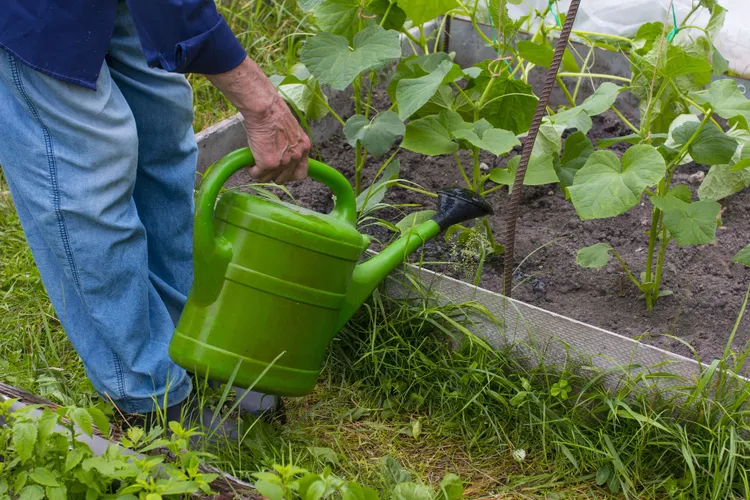
More than almost any other crop covered in this framework, cucumber quality comes down to a single variable: how consistently the plant is watered. Get that right and most other growing decisions become secondary; get it wrong and no amount of fertilizing or pest management fully compensates.
Why Watering Consistency Matters So Much
Cucumbers are roughly 95% water, and the plant's water status directly affects both yield and flavor in a way that's more pronounced than in most other vegetables. Inconsistent watering, a dry stretch followed by heavy watering, is the single most commonly cited trigger for bitterness in home-grown cucumbers, since water stress appears to increase the plant's production of cucurbitacins, the bitter defensive compounds covered in more depth in our food science guide. Consistent, even moisture, roughly 1 to 2 inches (2.5 to 5cm) of water weekly, delivered steadily rather than in occasional large doses, is the most effective single practice for avoiding bitter fruit.
Trellising in Practice
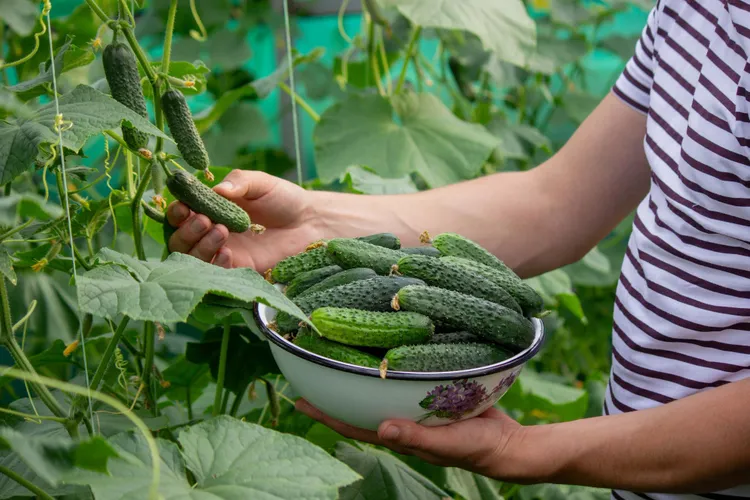
For vining varieties on a trellis, gently guiding young vines onto the support structure as they grow, rather than letting them sprawl and then trying to redirect them later, produces a more even, manageable structure through the season. Most vining cucumbers climb readily on their own once given a start, using tendrils to grip a trellis or fence without needing to be tied at every point, though occasional loose ties help guide particularly vigorous growth in the desired direction.
Pollination
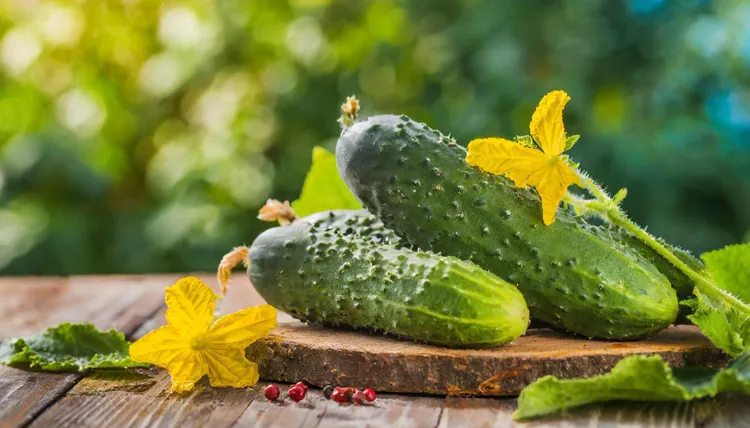
Most cucumber varieties produce separate male and female flowers on the same plant, distinguishable by a small swelling at the base of female flowers, the beginning of the fruit itself, that male flowers lack. Bees and other pollinators moving pollen from male to female flowers are essential for fruit set in non-parthenocarpic varieties; a garden with poor pollinator activity can see reduced fruit set even on an otherwise healthy plant, which is part of why planting pollinator-friendly flowers nearby, or choosing a parthenocarpic variety that doesn't require pollination, are both reasonable strategies depending on a garden's specific conditions.
Fertilizing Through the Season
Cucumbers are heavy feeders given how much fruit they produce relative to plant size, and a balanced fertilizer applied at planting, followed by a lighter, more nitrogen-focused feeding as vines establish and a shift toward phosphorus and potassium once flowering begins, supports strong growth without pushing excessive leafy growth at the expense of fruiting later in the season, a similar principle to the nitrogen-timing tradeoff covered for tomatoes elsewhere in this framework.
Mulching
A layer of mulch around cucumber plants serves the same dual purpose covered for several other crops in this content series, moisture retention (directly supporting the watering consistency that matters so much for cucumbers specifically) and weed suppression, while also keeping developing fruit from resting directly on soil, reducing rot and pest contact for any fruit that touches the ground on an untrellised, sprawling plant.
Common Growing Problems
- Bitter fruit: Most commonly traces back to inconsistent watering or heat stress, covered in more depth in the food science guide; consistent moisture is the most effective single fix.
- Misshapen or curved fruit: Often a sign of inconsistent watering or incomplete pollination, where uneven seed development inside the fruit causes uneven growth; both watering consistency and healthy pollinator activity help prevent this.
- Powdery mildew: A common fungal disease showing as white, powdery patches on leaves, favored by poor airflow and humid conditions; adequate spacing, trellising for better air circulation, and watering at the base rather than overhead all help reduce risk.
- Cucumber beetles: A common pest that damages leaves and can spread bacterial wilt disease; row covers during early growth (removed once flowering begins to allow pollination) and prompt removal of visibly affected plants both help manage this pest.
- Poor fruit set despite healthy flowering: Often traces back to inadequate pollinator activity; increasing nearby pollinator-friendly plantings or hand-pollinating with a small brush are both reasonable responses.
Frequently Asked Questions
How much sun do cucumbers need? At least 6 hours of direct sun daily, with more generally supporting stronger growth and higher yield, similar to the sun requirements covered for tomatoes elsewhere in this framework.
Can cucumbers be grown vertically even without a dedicated vining variety? Most bush varieties don't climb readily even with a trellis provided, since their growth habit is fundamentally more compact and non-vining; a trellis genuinely benefits vining varieties specifically rather than being a universal upgrade for any cucumber plant.
Do cucumber plants need pruning? Generally not required, though removing some lower leaves that touch the soil can improve airflow and reduce disease risk, similar to a practice covered for tomatoes elsewhere in this content series.
How long does it take from planting to first harvest? Most cucumber varieties reach first harvest 50 to 70 days after planting, a considerably faster timeline than several of the other crops covered in this framework, part of why direct sowing is such a practical option given how much of the growing season remains for the plant to mature even when started outdoors.
A Simple Growing-Season Checklist
- Water consistently, 1 to 2 inches weekly, avoiding dry-then-heavy cycles.
- Guide vines onto trellising as they grow.
- Support pollinator activity or choose a parthenocarpic variety.
- Fertilize at planting and again as flowering begins.
- Watch for powdery mildew and cucumber beetles.
Why This Stage Rewards Consistency Above All Else
More than technique or timing, the single habit that most determines cucumber quality is showing up reliably to water, a simple but easily neglected task during a busy summer that has outsized consequences for this specific crop.
Frequently Asked Questions
How do I know if my watering is actually consistent enough? A simple moisture check, sticking a finger into the soil near the plant's base, before assuming watering is needed, helps avoid both underwatering and the overcorrection that leads to the dry-then-heavy cycle covered above.
Can drip irrigation help with consistency? Yes, considerably; drip irrigation or a soaker hose delivers steady, even moisture without requiring perfect daily attention from the gardener, a genuinely useful investment for anyone who has struggled with bitter cucumbers from inconsistent hand watering.
Do cucumbers need more water than tomatoes? Roughly comparable in weekly amount, though cucumbers are somewhat less forgiving of inconsistency specifically, given the bitterness connection covered in the food science guide.
Is it too late to fix bitter cucumbers partway through the season? Improving watering consistency going forward can reduce bitterness in fruit that develops afterward, though fruit already affected won't improve; consistent care from that point on still meaningfully improves the rest of the season's harvest.
Recognizing a Season That's Going Well
A season progressing normally shows steady vine growth, healthy dark green leaves, and a good ratio of female to male flowers as the season progresses, with fruit developing evenly rather than showing the curved or misshapen patterns covered in the common problems section above.
Adjusting for an Unusually Hot Stretch
Extreme heat, particularly combined with any lapse in watering consistency, meaningfully raises bitterness risk; extra attention to consistent moisture during a heat wave specifically, rather than assuming normal watering habits are sufficient, helps protect fruit quality through the most stressful stretches of a growing season.
Managing an Aggressive Vining Variety
Some vining varieties grow vigorously enough to outpace a modest trellis; periodically guiding new growth back onto the support structure, rather than letting it sprawl onto the ground or neighboring plants, keeps the whole planting manageable and maintains the airflow benefits trellising is meant to provide in the first place.
Building a Simple Watering Routine
Rather than watering on a fixed calendar schedule regardless of actual conditions, checking soil moisture directly, a quick finger test a couple of inches into the soil, before deciding whether to water helps maintain the genuine consistency that matters so much for this specific crop, adjusting naturally for a rainy stretch or an unusually hot, dry one rather than either overwatering or underwatering by rote.
Dealing With Powdery Mildew Once It Appears
If powdery mildew does show up despite good airflow and watering practices, removing the most heavily affected leaves promptly, avoiding overhead watering entirely from that point forward, and ensuring the plant isn't otherwise stressed all help slow its spread; a mild case rarely kills a plant outright but can meaningfully reduce the remaining season's productivity if left unaddressed.
Trusting the Process Through a Full Season
Because cucumbers grow and change so quickly, a single missed watering or a brief hot spell rarely derails an entire season the way a similar lapse might for a slower-growing crop; there's usually still time within the same growing season to correct course and see the improvement reflected in the next wave of fruit.
That resilience, built into a fast-cycling crop, is part of what makes cucumbers such a forgiving place to practice and refine general growing instincts.
A simple weekly walk-through of an established planting, checking soil moisture, looking for early disease or pest signs, and confirming vines are still well-guided onto their trellis, catches most problems early enough to address them without letting a full season's productivity suffer. This modest weekly habit, more than any single dramatic intervention, is what separates a genuinely productive cucumber season from one plagued by avoidable bitterness or disease pressure.
Where tomatoes reward picking slightly early and finishing off the vine, and strawberries punish any deviation from full ripeness at picking time, cucumbers occupy a middle ground entirely their own: the growing-season habit that matters most isn't about ripeness at all, it's about the steady, boring discipline of consistent watering week after week.
Seasonal Variation Across Multiple Years
No two growing seasons behave identically, and a gardener who's grown cucumbers for several years typically develops a feel for how that particular garden's soil, sun exposure, and local climate quirks affect watering needs specifically, refining the general guidance in this guide into something genuinely tailored to their own space.
Balancing Attention Across a Whole Garden
For a gardener growing cucumbers alongside several of the other crops covered in this content series, it's worth remembering that cucumbers specifically reward the most frequent, consistent attention of the bunch; if time is limited during a busy stretch of summer, prioritizing cucumber watering over less time-sensitive tasks elsewhere in the garden tends to produce the best overall return on that limited attention.
Reward for Consistency
A gardener who commits to genuinely consistent watering through a full cucumber season, even when it feels tedious on an otherwise uneventful week, is rewarded with a noticeably higher proportion of mild, well-textured fruit compared to a season of inconsistent attention, a direct, tastable payoff that few other growing habits in this framework deliver quite so reliably.
Of every stage in this framework, growing is where cucumber's whole story hinges most directly on a single, unglamorous habit, and treating that habit seriously pays off more reliably here than almost anywhere else in this content series.
Every well-watered week compounds into a genuinely better harvest by the time peak season arrives.
Worth remembering on the days when reaching for the hose feels like a chore rather than a priority.
A season built on this single reliable habit tends to forgive nearly every other small mistake along the way.
Consistency wins, every time, over any single clever trick.
Every consistently watered week is a small deposit toward a genuinely better harvest.
Small, boring, reliable habits win out here, every single time.
Latest