The Case for Cooking with White Wine at Home
White wine is one of the most useful cooking liquids in the kitchen - not because of the alcohol, but because of the acidity, the flavour compounds, and what it does to the fond in a pan. Here's when to use it, what to buy, and what you can substitute when you don't have a bottle open.
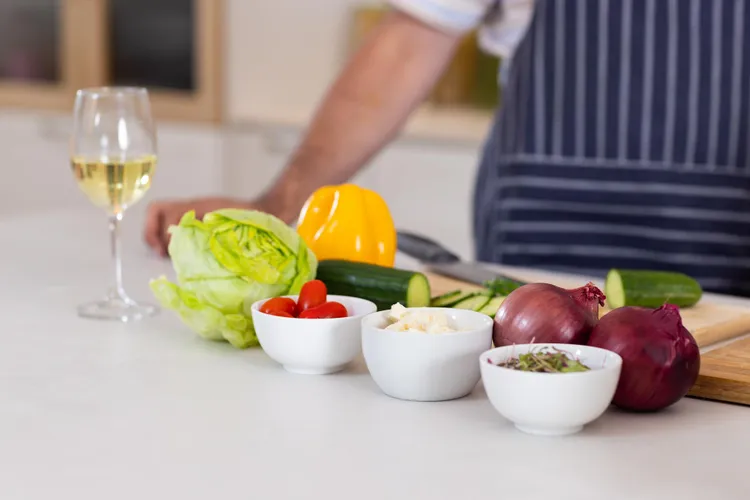
The alcohol in wine is not why it makes food taste better. Alcohol is volatile - most of it cooks off within two to three minutes at a simmer. What stays is the acidity, the residual sugars, and hundreds of flavour compounds (esters, aldehydes, terpenes) that contribute to aroma and depth in a way that stock alone doesn't. That's the useful part. That's what you're cooking with.
What White Wine Does in Cooking
Deglazing: The acidity in wine dissolves fond (the brown deposits from searing) more effectively than water or stock. Fond contains some of the most concentrated flavour in the pan, and white wine is the fastest way to get it into your sauce. Add wine to a hot pan after removing the protein, scrape vigorously, and watch the sauce colour immediately. This is the foundation of almost every restaurant pan sauce.
Balancing richness: A cream sauce, a butter sauce, a dish built on rendered fat - all of them benefit from the acid lift that wine provides. The fat coats the palate and the acid cuts through it, keeping the dish in balance. This is why the classic ratio in a cream sauce (reduce wine, add cream) works so well: the acid is built into the base before the fat arrives.
Poaching liquid: White wine in a poaching liquid perfumes the protein as it cooks gently. Classic for fish and chicken. The flavour transfer is subtle but noticeable. A poaching liquid of roughly half wine, half water or stock, with aromatics, produces better results than water alone.
Steaming: Adding a splash of white wine to the base of a covered pan or steaming vessel creates aromatic steam. Used for mussels, clams, and fish parcels. The alcohol mostly escapes, but the flavour compounds stay.
What Wine to Buy for Cooking
The honest answer: don't cook with wine you wouldn't drink. This doesn't mean cooking with expensive wine - it means not cooking with "cooking wine" (which is wine with added salt and preservatives that will make your sauce taste chemical). A bottle of Picpoul, Muscadet, or basic Sauvignon Blanc at $8-12 is the correct cooking wine. Dry vermouth (Noilly Prat) is an excellent substitute that keeps longer once opened - refrigerated, it lasts six to eight weeks versus three to four days for opened white wine.
Wines to avoid in cooking: anything oaked (the oak tannins can become harsh and bitter when concentrated by reduction), sweet wines (unless the dish specifically calls for it), and low-acid varieties like Viognier or Gewürztraminer (the acid is what you need).
When to Add Wine in the Cooking Process
Timing matters. Wine added early in a long braise contributes mostly to background depth - the alcohol cooks off, the acid mellows, and what remains integrates into the dish. Wine added late (in the last 5-10 minutes) retains more of its fresh acidity and aromatic character, which can brighten a dish that's been cooking for a while. For pan sauces, wine goes in immediately after the aromatics are softened and before any stock - this allows it to reduce aggressively and concentrate.
Quantity Guidelines
For a single-portion pan sauce: 80-100ml. For a braise serving 4: 250-300ml (roughly a third of a bottle). For poaching liquid (fish fillet): 100ml wine to 200ml water. For steaming mussels or clams: 150ml per 500g shellfish. These are starting points - the actual quantity depends on the acidity of the wine and how much reduction you want.
Substitutes When You Don't Have Wine
For deglazing and pan sauces: dry vermouth is the best substitute (same function, slightly more complex flavour). In its absence: a combination of stock plus a small amount of white wine vinegar (use about 20% of the volume of wine called for - the acid is the function, and vinegar is more concentrated). For poaching and braising: stock works, though the flavour profile is different. Apple juice (dry) can substitute in dishes with pork.
There is no substitute that does exactly what wine does - but the closest functional equivalent is vermouth, which is why the quiet luxury pantry always has a bottle. Understanding how wine fits into the broader framework of quiet luxury cooking - particularly in pan sauces and braised dishes - makes the investment in a good pantry bottle make more sense.
White Wine in Braises and Long Cooks
In a long braise (1.5 hours or more), white wine behaves differently than in a quick pan sauce. The alcohol cooks off entirely within the first 20 minutes, the acid mellows as it binds with the proteins and fats in the braising liquid, and what remains is a background complexity that contributes to the overall depth of the dish. The wine's role in a braise is supporting rather than defining - you won't taste it as wine, but the dish will taste more layered without it.
For chicken braises: 150ml white wine to 400ml stock is a reasonable starting ratio. For white-braised fish (fish cooked gently in a covered pan): the ratio shifts - more wine, less stock, because the braising time is short and you want the wine character to still be present. For vegetable braises: white wine works well with fennel, leeks, and celery root - its acidity and aromatic quality complements these vegetables' natural flavours.
White Wine in Risotto
The step that most recipes gloss over: adding wine to risotto is not about flavour alone - it's a pH adjustment. White wine's acidity prevents the starch granules from clumping in the early stages of cooking, which contributes to the final all'onda (wave-like, fluid) texture of a good risotto. Add 100-150ml of white wine after the rice has been toasted and before the stock begins. Cook on high heat, stirring, until fully absorbed before the first ladleful of stock goes in. The wine should be fully cooked out - no raw wine smell - before you continue.
Wine and Seafood
White wine and shellfish is the most classic pairing in western cooking for a reason beyond tradition. The acidity in wine cuts the natural salinity of shellfish and lifts the delicate flavour that can get lost under fat or cream. Mussels steamed in white wine, shallots, and butter (moules marinière) is the most obvious example - the wine does three things simultaneously: creates the steaming liquid, seasons the mussels as they open, and becomes part of the broth. The quality of the wine is directly perceptible in the finished dish in a way that it isn't in a two-hour braise.
For fish cooked in a wine-based poaching liquid or court-bouillon, the same principle applies. The fish absorbs the cooking liquid as it cooks, which means the flavour of the wine is directly transferred to the flesh. This is one of the contexts where wine quality genuinely matters in cooking.
Storing Opened Wine for Cooking
Opened white wine oxidises within 3-4 days in the fridge, developing flat, vinegary notes that will transfer to your food. Vermouth is the practical solution - it lasts 6-8 weeks refrigerated after opening because the fortification (added spirits) slows oxidation. For actual wine: use within 3 days, or freeze in ice cube trays (2-3 tablespoons per cube) and keep in the freezer for up to 3 months. Frozen wine cubes go directly into a hot pan without thawing - the small quantity heats through in seconds.
The role of white wine in quiet luxury cooking connects directly to the quiet luxury pantry approach - keeping one good, versatile liquid on hand that enables multiple techniques. For how wine fits into the full toolkit of techniques and recipes, the quiet luxury cooking guide shows each application in context.
White Wine in Desserts
Wine in sweet cooking is underutilised at home. The classic application is poaching: fruits poached in white wine with sugar and spices develop a complexity that sugar syrup alone can't produce. The wine's acidity prevents the sugar from crystallising and keeps the syrup fluid. The flavour compounds in wine transform as they reduce with sugar, producing a perfumed, subtly complex syrup that becomes part of the dessert rather than just a cooking medium.
The poached pear with cardamom crème anglaise in the quiet luxury cooking guide uses this technique directly - 750ml white wine as the base of the poaching liquid. A medium-dry Riesling or an off-dry Chenin Blanc works particularly well for poaching pears and peaches, because the residual sweetness in the wine builds the syrup naturally without requiring as much added sugar.
Sauternes and other sweet wines in desserts: a splash of Sauternes in a crème brûlée custard, or in a tarte Tatin's caramel, adds a honeyed, botrytic complexity that transforms what might otherwise be an ordinary dessert. The quantities are small (2-3 tablespoons) and the quality of the wine matters here more than in savoury cooking, because sweet cooking concentrates and amplifies wine's distinctive flavour notes.
Wine Reductions as Sauces and Glazes
A white wine reduction made independently - without pan fond - can be used as a glaze for vegetables or a base for a light sauce. Reduce 300ml dry white wine with a shallot and two sprigs of thyme until it's reduced to about 50ml - thick, syrupy, intensely flavoured. This can be refrigerated and used as a concentrated flavour base: a teaspoon added to a beurre blanc to boost the wine character, or brushed over a whole roasted fish in the last 5 minutes of cooking as a glaze. The concentrated wine reduction is, in effect, a non-alcoholic shrub - most of the alcohol has cooked off during the long reduction, but the flavour compounds remain.
Integrating wine at multiple points in a dish - as a deglazing liquid, as part of a poaching medium, and as a reduction glaze - builds complexity in layers, with each addition contributing different aspects of the wine's character. This layered approach to a single ingredient is characteristic of the broader quiet luxury philosophy: getting more from fewer things through technique rather than addition.
Non-Alcoholic Substitutes: A Realistic Assessment
For cooks who don't use alcohol, the honest assessment is that no single substitute replicates everything white wine does in cooking - but combinations get close. For deglazing: white grape juice (unsweetened) plus a small amount of white wine vinegar (roughly 4:1 ratio) provides the sugar, some flavour compounds, and the acidity. For poaching: verjuice (unfermented grape juice) is the closest non-alcoholic substitute and is available in most good delis and online - it has wine's acidity and some of its aromatic character without the alcohol. For braising: additional stock with a splash of apple cider vinegar covers the acid function.
The flavour result with substitutes is different - slightly fruitier, less complex - but perfectly good cooking is possible without wine. The important thing is to address the acid function, which is the most critical contribution wine makes to most savoury applications. Without acid, rich dishes stay heavy and flavours stay flat regardless of how well everything else is done. The seasoning guide covers acid balance in more detail - it's the principle that makes this substitution logic clear.
Matching Wine to Dish Character
In the same way that the wine you drink with a dish should complement its flavours, the wine you cook with shapes its character. A Muscadet (lean, mineral, high-acid) produces a clean, precise pan sauce without much aromatic complexity - ideal for delicate fish. A Viognier (aromatic, lower acid, slightly floral) would produce a more perfumed result - less appropriate for fish but interesting with chicken and stone fruits. A white Burgundy (Chardonnay with oak) introduces tannins and vanilla notes that can become harsh when reduced - avoid oaked whites for pan sauces. The principle: if the wine's character would work in the finished dish as a flavour, it'll work as a cooking wine. If it would taste wrong in the dish, it'll taste wrong cooked into it.
White Wine and Cheese: A Cooking Note
White wine and cheese in cooking are a natural pair that home cooks underuse. A splash of dry white wine or vermouth added to a cheese sauce (after the roux, before the cheese melts in) prevents the sauce from becoming heavy and helps the cheese melt evenly by slightly lowering the pH of the base - the acidity prevents the proteins in the cheese from clumping. This is why fondue always includes white wine: it's not tradition, it's food science. The same principle applies to a simple gruyère sauce, a leek and cheese tart filling, or any application where melted cheese needs to stay smooth and fluid rather than stringy and broken.
The broader truth is that white wine's acidity is always useful alongside dairy - cream sauces, cheese sauces, butter-based preparations all benefit from the acid balance. The quiet luxury cooking guide applies this logic in the Leek and Gruyère Galette, where a small amount of crème fraîche replaces the wine in the filling, providing the same acid balance in a different form.
Latest