The Art of Seasoning: Salt, Acid, Fat, Finish
Underseasoning is the most common reason home cooking tastes flat. But seasoning is not just salt - it's a four-part system that works in sequence: salt builds the base, acid lifts the flavours, fat carries and rounds them, and finishing elements create contrast. Get this right and every dish improves.
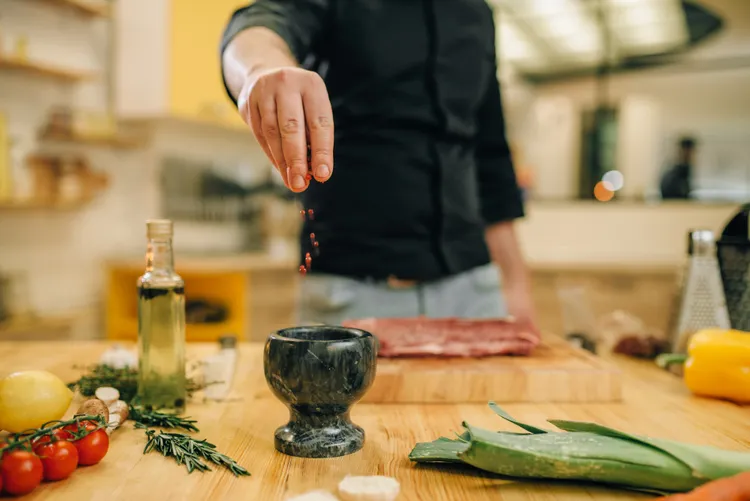
Salt is not the same as seasoning. Salt is one component of a four-part system. A dish can be correctly salted and still taste flat, because the acid hasn't been addressed, or the fat balance is off, or there's no textural or flavour contrast at the finish. Understanding these four variables and how they interact is the single most transferable cooking skill - it applies to every cuisine, every technique, every dish you'll ever make.
Salt: The Base
Salt doesn't make food taste salty - that's what too much salt tastes like. Correctly salted food tastes like itself, more so. Salt suppresses bitterness, enhances sweetness, and amplifies the aromatic compounds that carry flavour to your nose. A tomato that's been seasoned properly tastes more like a tomato.
The most important principle: season in layers, not at the end. Salt your water when you boil pasta or vegetables - the food seasons from the inside. Salt proteins before cooking, not after - at least 30 minutes ahead for chicken, ideally overnight for larger cuts. Salt a sauce at the beginning and again at the end, because concentration changes through reduction.
Quantity: you almost certainly use less salt than your food requires. Professional chefs season aggressively by home cook standards. Taste as you cook, taste again, adjust. If food tastes flat, salt is usually the first deficit to address.
Acid: The Lift
Acid is the element that makes flavours come forward. A sauce that tastes muted, a soup that's missing something, a rich dish that feels heavy - nine times out of ten, adding acid will fix it. The mechanism: acid stimulates salivation, which is the physical sensation of appetite. It also suppresses the perception of bitterness and makes salt taste saltier, which means a few drops of lemon juice at the end of a dish can reduce the need for more salt.
Sources of acid: lemon juice, lime juice, white wine vinegar, sherry vinegar, balsamic vinegar, verjuice, buttermilk, yoghurt, preserved lemon. The choice depends on the flavour profile of the dish - lemon for Mediterranean and Asian applications, sherry vinegar for French and Spanish, balsamic for Italian. The acid should complement the dish's existing character, not announce itself.
Add acid at the end of cooking for maximum impact - it's volatile and cooks off quickly. A small amount of acid (half a teaspoon of lemon juice or good vinegar) added in the last 30 seconds of cooking or directly on the plate will lift a dish more dramatically than the same quantity added twenty minutes earlier.
Fat: The Carrier
Fat carries flavour. Aromatic compounds - the molecules responsible for most of what we perceive as flavour, as opposed to basic tastes - are fat-soluble, not water-soluble. A soup made with no fat tastes thin even if it's well-seasoned, because the flavour has nowhere to bind. Adding oil, butter, or cream changes the mouthfeel and the flavour perception simultaneously.
Fat also rounds harsh edges. A sauce that's too sharp or acidic will balance with the addition of butter or cream. A dish with raw heat (chilli, black pepper) becomes more integrated with fat in the base. The quantity matters: too much fat makes food taste heavy and coats the palate; the right amount creates richness without weight.
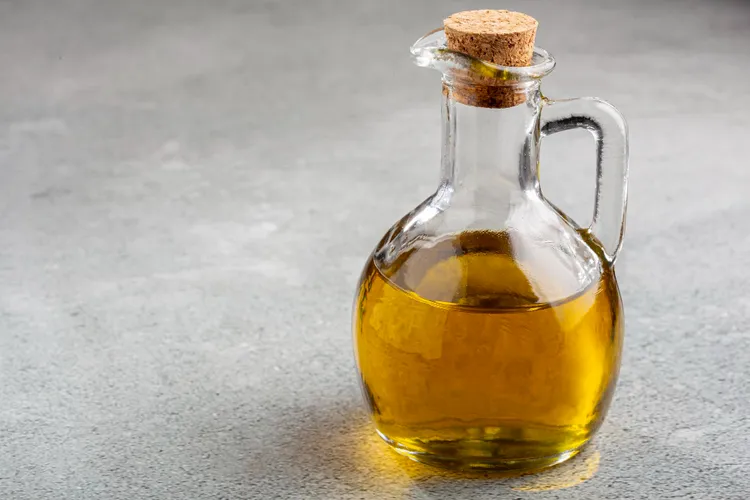
Different fats have different flavour profiles. Olive oil carries grassy, peppery notes. Butter contributes dairy roundness and, when browned, nuttiness. Neutral oils (sunflower, grapeseed) carry flavour without adding their own. Coconut oil adds a faint sweetness. Match the fat to the dish.
Finish: The Contrast
The finishing layer is what creates the contrast between a technically correct dish and a memorable one. Finish is any element added at the very end - after the heat - that provides textural or flavour contrast to what's been built.
Common finishes: flaky salt (texture and flavour burst), finishing oil (aromatic richness, visual appeal), fresh herb (brightness against a cooked base), chilli flakes (heat contrast), lemon zest (aromatic without additional liquid acid), toasted nuts or seeds (texture and fat), grated cheese (fat, salt, and umami simultaneously).
The principle: the finish should contrast with the dominant quality of the dish. A rich, fatty dish needs an acidic or herbaceous finish. A lean, bright dish needs fat and richness at the end. A soft dish needs texture. A uniformly mild dish needs heat or pungency.
Build a macro-balanced week of quiet luxury meals with the weekly meal prep planner.
The Diagnostic Process
When a dish tastes wrong, run through the checklist in order: Is it salty enough? (taste with a clean palate, unsalted) Does it need acid? (add a few drops of lemon juice and taste again) Is the fat balance right? (does it feel thin and watery, or heavy and coating?) Does it need a contrasting finish? This sequence resolves most seasoning problems in under two minutes.
The ability to diagnose and adjust seasoning is foundational to the approach behind quiet luxury cooking - where restraint in ingredients demands precision in technique. A dish with three elements that are perfectly seasoned is more impressive than a dish with twelve elements seasoned carelessly.
Seasoning Proteins: The Time Factor
Salt applied to protein before cooking does two things: it seasons from the inside out (given enough time) and it draws out surface moisture, which then reabsorbs - a process called dry brining. For chicken: salt at least an hour before cooking, ideally overnight in the fridge. The overnight rest dries the skin (essential for crispiness) and seasons the flesh throughout. For fish: 15-20 minutes maximum before cooking - too long and the salt begins to cure the fish, changing the texture. For red meat: the full dry brine window applies - overnight for steaks, 24-48 hours for large roasts.
The practical version: season protein when you take it out of the fridge, before the rest of your prep. By the time you've done everything else and the pan is hot, the salt has had 20-30 minutes to begin working. It's a small habit that makes a consistent, noticeable difference.
Seasoning Pasta Water
Pasta water should taste like the sea - properly, assertively salty. This is not an exaggeration: pasta absorbs the cooking water as it cooks, and if the water is underseasoned, the pasta will be underseasoned throughout, regardless of how well the sauce is made. A four-litre pot of water needs approximately 25-30g of salt. It should taste noticeably salty to the tongue before you add the pasta. Most home cooks use perhaps 20% of this quantity. The pasta water deficit is one of the most common reasons that even a correctly-made pasta sauce doesn't quite come together on the plate.
Acid and Its Timing
Different acids behave differently in cooking, and the timing of their addition determines what they contribute. Lemon juice added 20 minutes before the end of cooking loses most of its brightness but contributes a background acidity that integrates into the dish. Lemon juice added in the last 30 seconds or directly on the plate retains the fresh, volatile citrus aromatics that make food taste clean and bright. Vinegar behaves similarly but has a slightly different flavour curve - sherry vinegar added to a braise 10 minutes before serving gives a distinct lift; added at the very end it's more pronounced.
Lemon zest is different from lemon juice: it contains the essential oils from the peel, which are aromatic (flavour, not acid). Zest can go in earlier than juice and withstands more heat - it adds citrus character without the acid function. Using both (juice and zest) gives the most complete citrus impact.
Tasting Throughout: The Discipline
The most important seasoning habit is the simplest and the most ignored: taste the food at every stage. Not once at the end - throughout. Taste the braising liquid 30 minutes in, 90 minutes in, and before serving. Taste the sauce before plating, and after the protein has rested and its juices have been added to it. Taste the finished plate before it goes to the table.
Each stage of cooking changes the seasoning balance. A reduction concentrates both flavour and salt - something correctly seasoned before a long reduction may need nothing at the end, or may need a balance adjustment (acid to cut the concentration, not more salt). A cream addition to a sauce dilutes salt. Fat addition changes the perception of salt. Tasting throughout is the only way to stay calibrated as the dish evolves.
The seasoning framework - salt, acid, fat, finish - is foundational to everything in quiet luxury cooking. The restraint that defines the aesthetic only works if the execution is precise: fewer ingredients mean each one must contribute exactly what it should, seasoned and timed correctly.
Salt and Sugar: The Balance
Salt and sugar are not opposites - they're modifiers of each other. A small amount of salt in a sweet preparation amplifies the perception of sweetness (salt suppresses bitterness, which is one of the things that tamps down perceived sweetness). This is why flaky salt on top of a chocolate dessert, or on caramel, or on brown butter financiers, works so well: the contrast sharpens both the salt and the sweet in each bite. The principle applies in reverse: a small amount of sugar (or honey, or miso, which contains natural sugars) in a savoury dish rounds harsh edges and creates balance.
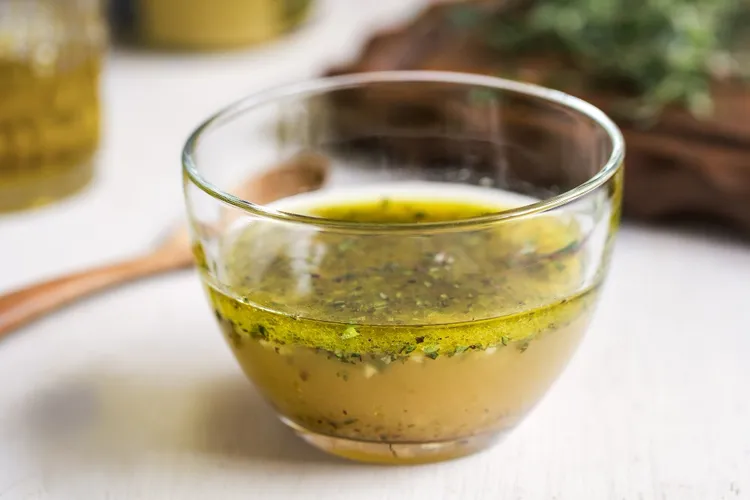
The practical application: if a savoury dish tastes flat or slightly harsh and additional salt doesn't fix it, try a small amount of something sweet before reaching for more acid. Roasted vegetables that taste one-dimensional often benefit from half a teaspoon of honey in the dressing more than from additional lemon. A vinaigrette that's too sharp can be brought into balance with a small amount of honey or a reduction of the vinegar.
Seasoning Different Temperatures
Food tastes different hot and cold, which means seasoning a dish at one temperature doesn't guarantee it will be correctly seasoned at another. Cold food requires more aggressive seasoning than hot food - the cold suppresses flavour perception and the volatility of aromatic compounds decreases as temperature drops. This is why a potato salad seasoned while warm will taste underseasoned when cold; why a cold soup needs noticeably more salt than a hot soup of the same recipe; why dressings for cold dishes should be made saltier than you'd think necessary.
The inverse: food that's served very hot can mask underseasoning because heat amplifies aroma and makes flavours seem more present than they are. Season carefully at high temperature, taste again as the dish cools slightly to serving temperature, and adjust. The 5-10 minutes that food sits on the counter between cooking and serving changes its temperature (and therefore its seasoning requirements) meaningfully.
Seasoning and the Quiet Luxury Approach
The entire argument for simplicity in quiet luxury cooking rests on precise seasoning. A dish with three components correctly seasoned and balanced is more impressive than a dish with eight components where the seasoning is approximate. Every technique covered in this series - brown butter, pan sauces, slow roasting - produces better results when the seasoning is right at every stage. The quiet luxury cooking guide is built around this principle: mastery of fundamental variables over accumulation of techniques and ingredients.
Seasoning Stocks and Braises
Stocks and braises require a specific seasoning approach because they reduce during cooking, concentrating both flavour and salt. The rule: season lightly at the beginning and aggressively at the end, never the reverse. A stock or braise salted to the correct level at the start will be oversalted by the time it's reduced. Add aromatics (bay, thyme, peppercorns) early for background flavour, but hold back on salt until the last 15-20 minutes of cooking, once you can assess the concentration level.
For dashi (the Japanese stock base used in the soba noodle dish in the quiet luxury cooking guide), seasoning comes primarily from soy sauce added after the stock is made - this allows precise control because you can taste and adjust a small, clear liquid rather than trying to predict where a salt addition will land after reduction. The same logic applies to all concentrated stocks: make the stock, reduce it to target consistency, then season the finished product rather than the raw liquid.
Salt Varieties and Their Specific Uses
Beyond flaky sea salt (for finishing) and fine salt (for cooking), a few specialty salts have genuine applications in the quiet luxury kitchen. Smoked salt: used sparingly as a finishing element on simply cooked fish or roasted vegetables - a few crystals add a wood-smoke note without the equipment of actual smoking. Use infrequently and in small quantities; it's dominant. Sel gris (grey salt): a moist, mineral Atlantic salt with a slightly oceanic character. Excellent for curing fish briefly before cooking - the minerals in grey salt contribute to flavour in a way that refined sea salt doesn't. Black lava salt: almost purely aesthetic - the activated charcoal gives it a dramatic appearance with no significant flavour difference from standard flaky salt. Worth knowing about for plating, not flavour.
The broader point: salt variety is a finishing tool, not a cooking tool. The flavour differences between salt types are most perceptible in their raw state, directly on the palate - in cooking, where salt dissolves into a liquid medium and is distributed throughout the dish, the differences largely disappear. Spend money on one good finishing salt; use inexpensive fine salt for cooking. The quiet luxury pantry guide covers this distinction in the context of the full ingredient list.
Latest