Crispy Fried Sage Leaves: A 2-Minute Garnish
A quick technique for frying whole sage leaves crisp, plus several dishes it upgrades.
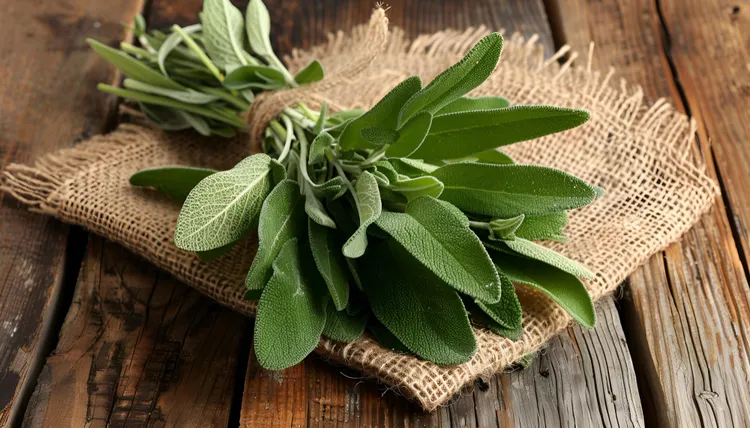
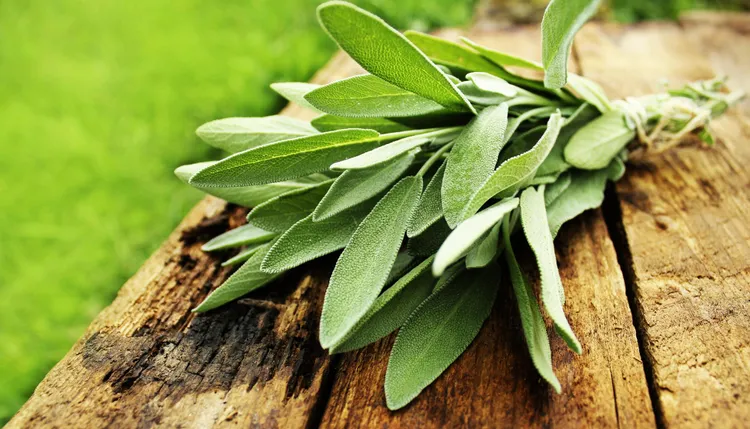
Frying whole sage leaves briefly transforms them from a strong, slightly bitter fresh herb into a crisp, almost savory-sweet garnish that upgrades a surprising range of simple dishes for very little effort.
The Technique
Heat about 1/2 inch of neutral oil (or butter, for a richer flavor) in a small skillet over medium heat until shimmering, around 350°F (175°C) if using a thermometer. Add whole, dry sage leaves a few at a time, don't overcrowd the pan, and fry for about 10 to 15 seconds per side, until they turn a slightly darker green and visibly crisp. Remove immediately with a slotted spoon or tongs and drain on a paper towel. Sprinkle with a small pinch of salt while still warm.
The whole process for a batch of leaves takes well under 2 minutes once the oil is hot, though getting the oil to temperature takes a few minutes beforehand.
Getting the Timing Right
Sage leaves go from perfectly crisp to burnt quickly once they're in hot oil, since they're thin enough to cook through fast. Watch closely rather than relying on a fixed time, and pull leaves the moment they stop bubbling actively in the oil, which signals most of their surface moisture has cooked off.
Where to Use Crispy Sage Leaves
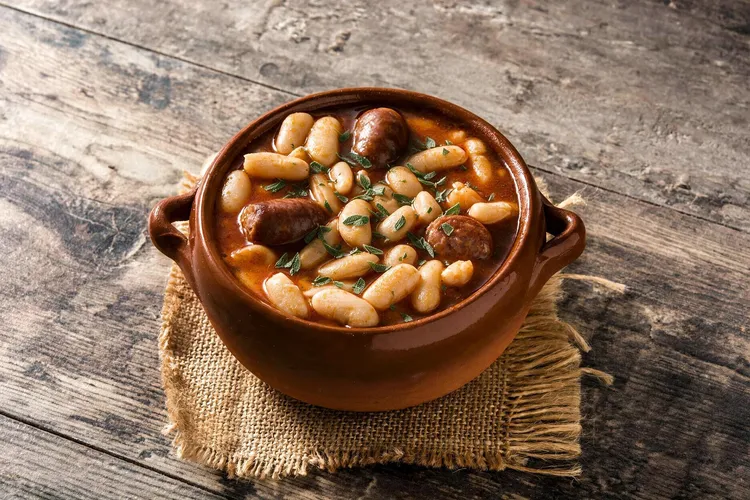
- On soups: a few leaves crumbled or left whole on top of a squash or white bean soup adds texture and a concentrated hit of flavor
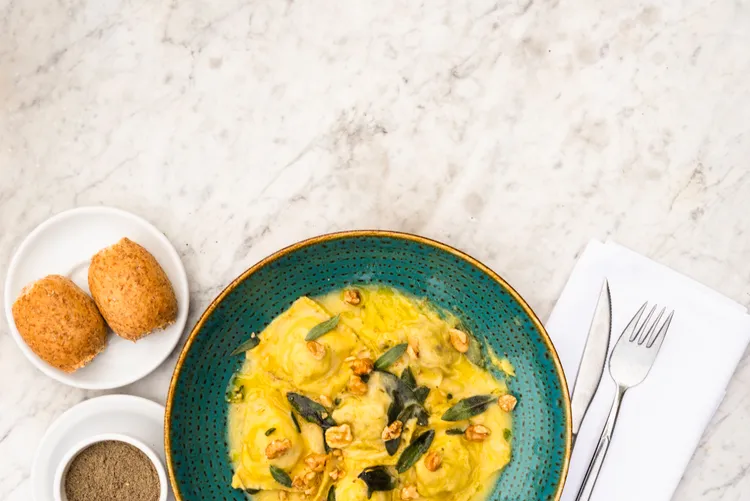
- On pasta: alongside or instead of the whole-leaf brown butter sauce described in Brown Butter Sage Sauce for Pasta and Squash
- On roasted vegetables: scattered over roasted squash, potatoes, or Brussels sprouts right before serving
- On a charcuterie or cheese board: a few crispy leaves add an unexpected, elegant garnish alongside cheese and cured meats
- On risotto: a couple of leaves crumbled over a finished squash or mushroom risotto
Using the Flavored Oil or Butter Afterward
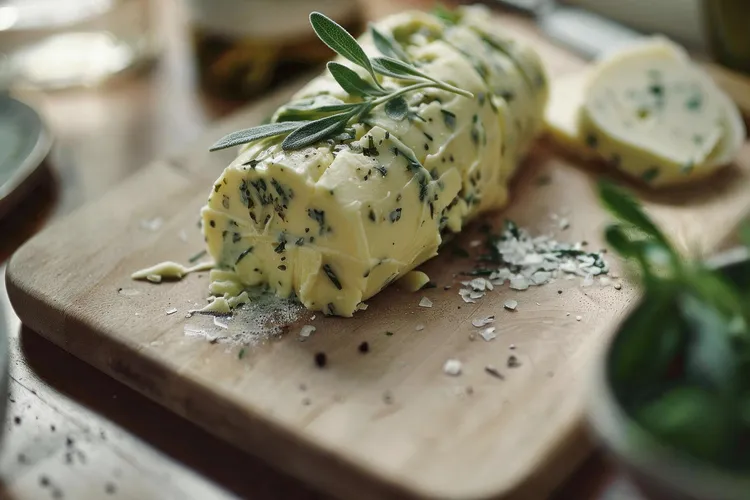
Don't discard the oil or butter used for frying; it's now infused with sage's flavor and works well drizzled over the same dishes the crispy leaves are garnishing, or saved for a future use within a few days if refrigerated.
Common Mistakes
- Frying wet leaves. Any residual moisture on the leaves causes oil to spatter and can prevent an even, crisp result. Pat leaves fully dry before frying.
- Overcrowding the pan. Too many leaves at once drops the oil temperature and leads to soggy rather than crisp results; fry in small batches.
- Letting the oil get too hot. Oil that's too hot burns the leaves before they crisp through evenly; keep an eye on temperature or test with a single leaf first.
Frequently Asked Questions
Can I fry dried sage leaves this way?
No, dried sage doesn't have the moisture content needed to crisp properly this way and will simply scorch. This technique is for fresh leaves only.
How far ahead can I fry sage leaves before serving?
They're best used within an hour or two of frying, while still fully crisp; they soften somewhat if left sitting for longer, especially in a humid kitchen.
Can I use butter instead of oil for frying?
Yes, and this essentially becomes a version of the brown butter sage sauce; see Brown Butter Sage Sauce for Pasta and Squash for the full approach if a sauce rather than a standalone garnish is the goal.
Choosing an Oil or Fat
A neutral oil like grapeseed or a light olive oil gives a clean, straightforward crisp result. Butter, as noted below, adds richness but requires more attention since it can burn faster than a neutral oil at the same temperature. For a batch meant purely as a garnish rather than part of a sauce, a neutral oil is generally the more forgiving choice for a first attempt at the technique.
Storing Leftover Crispy Leaves
If a few leaves are left over after serving, they can be stored in an airtight container at room temperature for up to a day, though they'll gradually lose some crispness, especially in a humid kitchen. They don't refrigerate or reheat well, since moisture from the fridge softens them; room temperature, used within a day, is the best approach for any leftovers.
Common Mistakes
- Frying wet leaves. Any residual moisture on the leaves causes oil to spatter and can prevent an even, crisp result. Pat leaves fully dry before frying.
- Overcrowding the pan. Too many leaves at once drops the oil temperature and leads to soggy rather than crisp results; fry in small batches.
- Letting the oil get too hot. Oil that's too hot burns the leaves before they crisp through evenly; keep an eye on temperature or test with a single leaf first.
- Salting too early. Salting the leaves before frying, rather than right after, can draw out moisture and make it harder to achieve an even crisp.
Frequently Asked Questions
Can I fry dried sage leaves this way?
No, dried sage doesn't have the moisture content needed to crisp properly this way and will simply scorch. This technique is for fresh leaves only.
How far ahead can I fry sage leaves before serving?
They're best used within an hour or two of frying, while still fully crisp; they soften somewhat if left sitting for longer, especially in a humid kitchen.
Can I use butter instead of oil for frying?
Yes, and this essentially becomes a version of the brown butter sage sauce; see Brown Butter Sage Sauce for Pasta and Squash for the full approach if a sauce rather than a standalone garnish is the goal.
Why did my fried sage leaves turn out chewy instead of crisp?
This usually means the oil wasn't hot enough, or the leaves were pulled too early before enough moisture had cooked off; a properly hot oil and full 10 to 15 seconds per side should produce a fully crisp result.
Tips for Success
Fry sage leaves right before serving whatever they're garnishing, since the technique takes only a couple of minutes and the result is best enjoyed while still fully crisp. This is a good way to use up a small handful of sage left over from a bigger recipe without any real planning needed, though noting a favorite pairing in a regular meal plan makes it an easy go-to rather than an afterthought.
Latest