The Truth About Carbs: Which Ones to Eat and Which to Limit
Carbohydrates are not the enemy - but not all carbs are equal. This breakdown cuts through the confusion with practical guidance on what to eat, what to limit, and why.
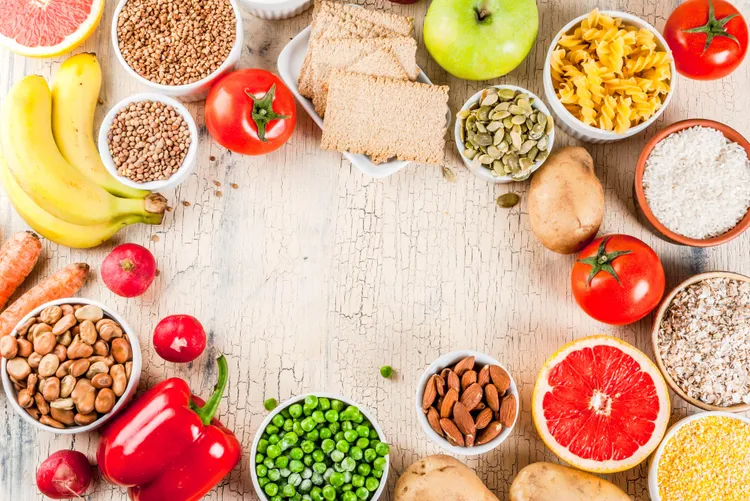
Carbs have been blamed for obesity, diabetes, and inflammation in various diet trends over the past 30 years. The reality is more nuanced: the source and processing level of carbohydrates matters far more than total carb intake for most people. This is what the evidence actually shows.
Carbs fit into your daily macro targets alongside protein and fat - for the full picture, see the Healthy Eating & Nutrition guide.
What Carbohydrates Actually Do
Carbohydrates break down into glucose, which is the body's primary and preferred energy source - especially for the brain, red blood cells, and during moderate to high-intensity exercise. At 4 calories per gram, they are equal in energy density to protein. The difference is in how quickly they are absorbed and what they bring with them (fibre, vitamins, minerals, or very little).
Complex vs. Refined: The Distinction That Matters
Complex carbohydrates - whole grains, legumes, most vegetables - have a multi-layered molecular structure that takes longer to break down. The fibre in these foods slows digestion further, moderating the blood sugar response and prolonging the feeling of fullness.
Refined carbohydrates have had most of this structure removed during processing. White flour, white rice (to a lesser extent), and pure sugar are absorbed rapidly, creating a sharper rise in blood glucose. The body responds with insulin; blood sugar falls; hunger returns faster.
Whole Food Carb Sources Worth Eating Regularly
- Oats: 27g carbs per 40g dry serving, 4g fibre, 5g protein. One of the best breakfast carbs for satiety.
- Brown rice: 45g carbs per 200g cooked, 1.8g fibre. More nutritious than white rice but the difference is modest - both are reasonable.
- Lentils: 20g carbs per 100g cooked, 8g fibre, 9g protein. The fibre-to-carb ratio here is excellent.
- Sweet potato: 20g carbs per 100g, 3g fibre, vitamin A, potassium. More nutritious than regular potato.
- Quinoa: 21g carbs per 100g cooked, 2.8g fibre, 4.4g protein - and a complete protein source, which is unusual for a grain.
- Most vegetables: Low in carbs, high in fibre. A large portion of Lemon-Infused Cabbage Salad adds useful fibre with minimal caloric impact.
Carb Sources to Limit (But Not Necessarily Eliminate)
- Added sugar: No nutritional value beyond calories. Strongly associated with dental decay, and high intake correlates with metabolic issues over time. Limit - not because sugar is toxic in small amounts, but because foods high in added sugar are usually nutritionally empty.
- Sugary drinks: Liquid calories do not register the same satiety signals as solid food. A 500ml soft drink adds 200 calories with zero protein, zero fibre, and no impact on hunger.
- Ultra-processed breads and pastries: Not because they are white, but because they are typically low in fibre, high in sodium, and engineered for overconsumption.
- White bread: Not inherently harmful in modest amounts. The problem is usually volume and what replaces it - white bread as the primary carb source crowds out fibre-rich alternatives.
What About Low-Carb and Keto Diets?
Low-carb diets work for weight loss - primarily because restricting carbs makes it easier for many people to eat fewer total calories and more protein. The metabolic advantage of ketosis (burning fat instead of glucose) is real but modest compared to the calorie deficit effect. Low-carb is not necessary for most people; it is one valid approach among several. If you do not have a medical reason for strict carb restriction, eating whole-food carbs in appropriate portions is fine and sustainable long-term.
Glycaemic Index: Useful but Overstated
The Glycaemic Index (GI) ranks foods by how quickly they raise blood sugar. High GI foods raise blood sugar faster. The problem with using GI in practice: it measures foods in isolation, on an empty stomach. Eating a high-GI food alongside protein, fat, and fibre (as in a normal meal) dramatically blunts its impact. Watermelon has a high GI but a low glycaemic load per typical serving. Glycaemic index is a useful research tool; it is not a reliable label-reading shortcut.
A Practical Rule for Carbs
Eat carbs that come packaged with fibre or protein. Oats, lentils, sweet potato, brown rice, most vegetables and legumes - these are all fine. Treats like bread, pasta, and occasionally something sweet are fine in moderation. The issue is proportion: if refined starches and added sugars make up most of your carb intake most days, the health outcomes will reflect that over time. Shift the default, not the occasional exception.
For how carbs fit into a full day of eating, the beginner meal prep plan in Healthy Meal Prep for Beginners structures a week of meals around whole-food carb sources with macro estimates per day.
Latest