Spice Your Way to 30: How Herbs and Spices Count Toward Your Weekly Total
A single curry dish seasoned with six spices adds six plants to your weekly total before you've chopped a vegetable. Herbs and spices are the most overlooked shortcut in the 30-plant challenge, and the highest return on effort of any food category.
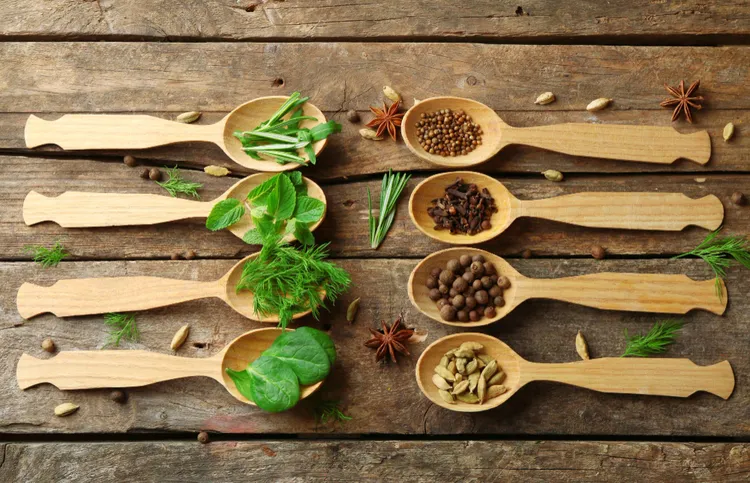
Each spice is derived from a distinct plant species - cumin from Cuminum cyminum, coriander from Coriandrum sativum, turmeric from Curcuma longa. Under the 30-plant counting system used by most plant diversity frameworks (including those based on the American Gut Project methodology), each distinct plant species counts once per week, regardless of quantity. A teaspoon of cumin counts the same as 200g of chickpeas. This makes herbs and spices the highest-leverage category in the challenge: low cost, small quantity, maximum plant count per gram.
Why Spices Matter for Gut Health Beyond the Count
Spices don't just add to the plant count - they contribute polyphenols and bioactive compounds that independently influence the gut microbiome. Curcumin (the active compound in turmeric) has been studied for its effects on gut barrier function and microbial composition. Gingerol (in ginger) has demonstrated prebiotic-like effects in some studies. Cinnamon polyphenols have been associated with shifts in Firmicutes:Bacteroidetes ratios. These aren't dramatic therapeutic effects from culinary quantities, but they're real contributions that stack with the fibre diversity from the rest of your plate.
The broader plant diversity science is covered in the article on the gut microbiome and plant diversity.
The Most Efficient Spice Blends
Spice blends are where the plant count multiplies most quickly. Here are the best for plant diversity, with plant counts per blend:
Garam Masala (6-8 plants)
Standard recipe: coriander seed, cumin, cardamom, cinnamon, cloves, black pepper, nutmeg. Some versions also include star anise, fennel seeds, and bay leaf. One teaspoon of garam masala used in cooking = 6-8 plants depending on the blend. Buy a good-quality version with a full ingredient list (avoid blends with 'spices' listed generically - you want to see each one named). Used in dal, curry, roasted vegetables, grain bowl dressings, and spiced yoghurt.
Baharat (7-8 plants)
A Middle Eastern spice blend: black pepper, coriander, cumin, cinnamon, cardamom, cloves, nutmeg, and often allspice. Very similar to garam masala in composition but with a slightly different balance and the addition of allspice (Pimenta dioica) as a distinct plant. Used in lamb dishes (flexitarian appropriate), roasted cauliflower, grain salads, and lentil soups. The same 7-8 plants per teaspoon.
Za'atar (4-5 plants)
Dried thyme + dried oregano + sesame seeds + sumac + sometimes dried marjoram. A tablespoon of za'atar = 4-5 plants. Sprinkled on roasted vegetables, stirred into yoghurt for a dip, mixed with olive oil as a bread dip, or used as a coating for baked tofu or fish. Easy to make: 2 tbsp thyme, 1 tbsp oregano, 1 tbsp toasted sesame seeds, 2 tsp sumac, 1 tsp salt. Jar lasts months.
Curry Powder (5-7 plants)
Turmeric, coriander, cumin, fenugreek, mustard seeds, black pepper, and often chilli. Cheaper and more versatile than individual spices. A good curry powder covers most of the standard spice plant diversity in one jar. Used in any dish with a South Asian flavour profile, or added to roasted chickpeas, grain bowl dressings, and soup bases.
Ras el Hanout (10-14 plants)
The most plant-diverse spice blend available in mainstream supermarkets. A traditional North African blend that typically contains: cumin, coriander, cinnamon, ginger, cardamom, turmeric, black pepper, cayenne, paprika, cloves, nutmeg, allspice, rosebuds (rose is a plant), lavender (in some versions). A single teaspoon of good-quality ras el hanout can add 10-14 plants. Used with lamb (flexitarian context), in slow-cooked chickpea dishes, with roasted root vegetables, and in couscous.
Building a Spice-Stacking Habit
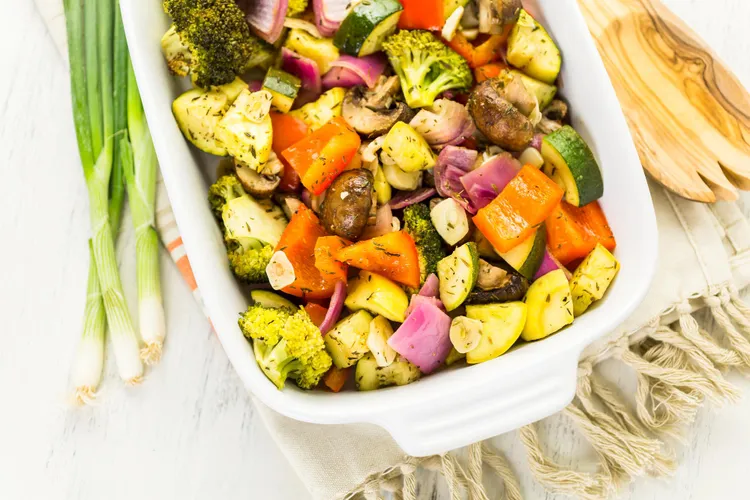
The habit: before any savoury cooking, spend 60 seconds assembling your spice additions. For a weeknight vegetable tray bake, that means reaching for cumin, coriander, smoked paprika, and turmeric before you start chopping. These four spices = 4 plants added in the time it takes to open four jars. For a soup or dal, add garam masala or baharat to the softened onion and garlic base - 6-8 plants in one tablespoon added 2 minutes into cooking.
The spice stacking habit pairs directly with the mixed products habit from the practical weekly system: combined, they add 15-20 plants to the week with almost no incremental effort.
Fresh Herbs: Different from Dried, Both Count
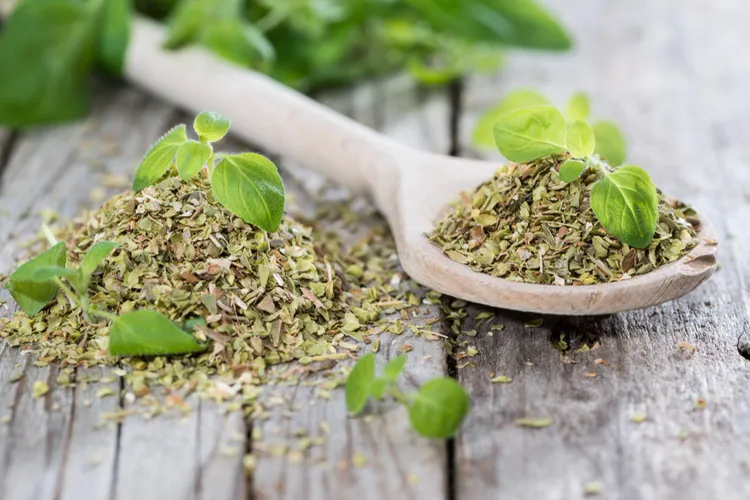
Fresh herbs count as the same plant as their dried equivalent - flat-leaf parsley dried and fresh are both Petroselinum crispum, one plant. But they contribute differently in cooking. Fresh coriander leaf added at the end of a curry dish contributes aromatic compounds that dried coriander doesn't; dried coriander seed (a different part of the same plant) contributes flavour during cooking that fresh doesn't. For plant diversity counting purposes, coriander leaf and coriander seed are the same species - one plant. But using both in the same week is common and fine.
The most useful fresh herbs for flexitarian cooking: flat-leaf parsley (all-purpose), fresh coriander/cilantro (essential for Mexican, Indian, Middle Eastern dishes), fresh mint (for grain salads and yoghurt dressings), fresh basil (Mediterranean and Southeast Asian), fresh chives (finishing herb, allium family). Each one kept on a windowsill, or bought weekly as a small bunch, is a consistent plant addition that also improves the quality of every dish it's used in.
How to Count Spices in Practice
When cooking: note each distinct spice as you add it to the pan. By the end of a spiced dish, you have your count. For blends with a printed ingredient list, count each named spice separately. For generic 'mixed spice' or 'curry powder' where specific spices aren't listed, count it conservatively as 3-4 plants.
For your weekly tracker (recommended for the first 2-3 weeks of the 30-plant challenge), spices count once per week when first used - you don't re-add cumin every time you cook with it. The habit of stacking 5-6 spices into each meal means most people hit their weekly spice diversity target by Monday or Tuesday without consciously tracking. By the end of week 1, the spice habit is usually the discovery that makes 30 feel achievable.
Building a Spice Pantry on a Budget
The full set of spices needed to implement the stacking habit costs approximately £15-20 for a three-to-six month supply, depending on which blends you prioritise. The most cost-efficient approach: buy one pre-made blend (garam masala or ras el hanout, ~£1.20 for a large jar) plus six individual spices (cumin, coriander, turmeric, smoked paprika, cinnamon, black pepper - approximately £0.89 each). Total outlay: roughly £7-8 for the individual spices, £1.20 for the blend. That's £8-9 for the foundational spice toolkit, covering most of the diversity you'll use across the first month.
The economics of spices are unusual: the cost per meal is extremely low because quantities used are small, but the plant diversity return per gram is the highest of any food category. A 70g jar of ground cumin costs £0.89, provides 1 plant, and lasts 2-3 months of regular cooking. Cost per week of using cumin regularly: approximately £0.07. No other plant food delivers a plant count for that cost per week.
Storing Spices Properly
Spices degrade through heat, light, and moisture. Keep them away from the oven and hob (where heat and steam accumulate), away from direct sunlight, and in sealed containers. A spice rack next to the cooker looks convenient but is one of the worst storage environments. An internal cupboard, away from heat sources, in sealed jars or the original sealed packaging is correct. Whole spices (cumin seeds, coriander seeds, cardamom pods) last significantly longer than pre-ground - 2-3 years vs 9-12 months for ground. Grind as needed if you cook from scratch regularly. For everyday cooking, good-quality pre-ground is a reasonable compromise.
The interaction between the spice pantry and the broader plant diversity system is covered in the 30-plant pantry guide. For how spices fit into the full weekly approach, the 30-plant challenge guide and the practical weekly system show the complete picture.
Fresh vs Dried: Which to Prioritise
Fresh and dried herbs count as the same plant species, so choosing between them for plant diversity purposes is not the issue. The practical choice is about flavour and application: dried herbs survive long cooking and are better for dishes that simmer for 30+ minutes. Fresh herbs deteriorate in sustained heat and are best added in the last few minutes of cooking or used raw as a garnish.
For plant diversity on a budget, dried herbs are more cost-efficient per plant: a jar of dried thyme costs £0.89 and lasts 2-3 months. A bunch of fresh thyme costs £0.89 and lasts a week. Both contribute one plant (thyme) to the weekly count. The fresh version contributes different aromatic compounds that are more prominent uncooked, which matters for flavour but not for the diversity count. Stock dried versions for cooking; use fresh versions as finishing herbs where flavour justifies the cost.
Fermented Spice Products
A small category worth knowing: some spice products have been fermented before drying, adding a probiotic dimension to their plant diversity contribution. Fermented black garlic (two separate plant contributions: regular garlic and the fermented variant with distinct bioactive compounds produced during fermentation). Fermented chilli pastes like gochujang (chilli + rice or barley = 2-3 plants depending on recipe, plus live cultures if unpasteurised). These products sit at the intersection of the spice habit and the fermented food category, and they're increasingly available in mainstream supermarkets. For the complete picture of how spices fit into the weekly plant diversity system, the challenge guide and pantry guide are the foundational references.
Starting the Spice Habit This Week
The fastest way to start the spice stacking habit is to cook one dish this week using double the number of spices you'd normally use. If you normally add salt, pepper, and garlic powder to a roasted vegetable dish, add cumin, coriander, and smoked paprika as well. The dish will taste better and the habit of reaching for multiple spices simultaneously will begin to form. From there, the habit expands naturally: once you notice that a spice-heavy dish both tastes better and adds 6-8 plants to the weekly count, the motivation to continue is built into the outcome. The investment in a complete spice toolkit - approximately £8-9 for the core set of individual spices plus one blend - pays for itself in plant diversity and flavour improvement within the first week of use. For how the spice habit integrates with the broader structure of the challenge, the practical weekly system shows exactly how spice stacking combines with the other two structural habits to generate 30+ plants per week. The complete framework is in the 30-plant challenge guide.
The Compounding Effect of the Spice Habit
A person who spices every savoury dish with five or six spices adds approximately 25-35 spice plants to their weekly count across a normal week of cooking (5-6 dinners, 5 lunches with spiced elements). Even allowing for repetition - cumin appearing in multiple meals is still one plant for the week - the spice habit alone contributes 10-15 unique plants to the weekly total. Combined with the mixed product habit and the plant-dense breakfast, the spice stacking habit means most people hit 30 plants without ever consciously trying to add variety in their vegetable and fruit choices. The vegetables and fruits add further variety on top of a baseline already established by grains, legumes, seeds, and spices. This is the system working as designed. For the complete picture, the challenge guide and practical weekly system show how all the habits work together.
A Week of Spice Stacking in Practice
What does a full week of spice stacking look like in plant count terms? Monday dal: cumin, coriander, turmeric, ginger, garam masala (6 spice plants). Tuesday grain bowl dressing: smoked paprika, cumin (already counted), za'atar blend with thyme, oregano, sesame, sumac (4 new spice plants). Wednesday tray bake: rosemary, thyme (already counted if used Monday), black pepper (1 new spice plant). Thursday soup: bay leaf, dried thyme (counted), dried coriander (same plant as ground coriander seed, already counted). Friday stir-fry: ginger (already counted), star anise, cinnamon (2 new spice plants). That's 13 unique spice plants across 5 dinners from a relatively normal cooking week. Add coffee (1), cinnamon in Monday's porridge (already counted by Friday), and fresh coriander as garnish (same plant as ground coriander) and the spice category alone contributes 13-15 plants per week reliably. The full system behind plant diversity habits is in the complete challenge guide.
Latest