How to Make Hollandaise Sauce Without Breaking It
Hollandaise is a warm emulsion of egg yolks, clarified butter and lemon juice. It has a reputation for being difficult, but the technique is learnable - and once learned, it takes about ten minutes.
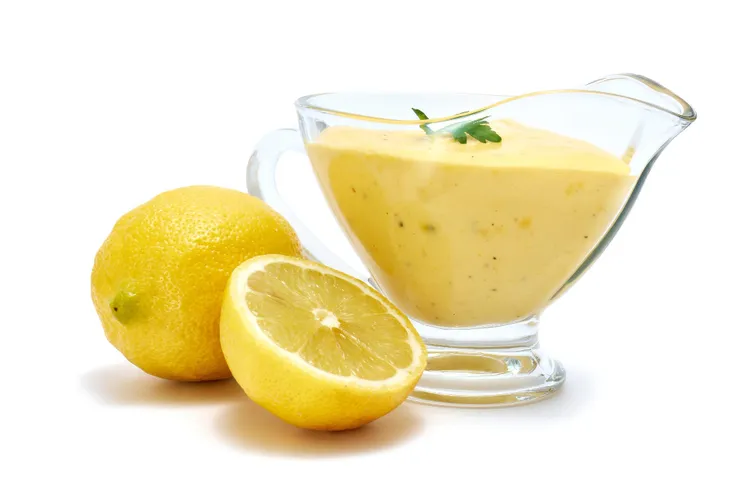
Hollandaise sits at the top of the classical French sauce hierarchy for a reason: it is technically precise, it cannot be rushed, and it involves enough variables to go wrong in several ways. It also tastes extraordinary - rich, lemony, silky - in a way that nothing else does. The version here uses a double boiler and the classical method. A blender shortcut exists and is included, but the classical version is worth learning first.
Why Hollandaise Breaks (and How to Stop It)
Hollandaise is a warm oil-in-water emulsion stabilised by egg yolk lecithin. It breaks for two main reasons: overheating and too-fast butter addition. Overheating scrambles the egg proteins that hold the emulsion together - once they seize, no amount of whisking recovers the sauce. Adding butter too quickly means the lecithin molecules cannot coat the fat droplets fast enough and the emulsion never forms properly.
The practical solution to both problems is control: low heat, a thermometer if you have one (the mixture should never exceed 63°C / 145°F), and patience with the butter.
Classic Hollandaise Sauce
Ingredients (serves 4)
- 3 egg yolks
- 1 tbsp cold water
- 1 tbsp lemon juice, plus more to taste
- 150g unsalted butter, clarified
- Salt and white pepper
- Pinch of cayenne pepper
Instructions
- Clarify the butter: melt it over low heat, skim the white foam, pour the clear yellow butter into a jug leaving the milky solids behind. Keep warm - it should be warm, not hot, when you add it to the eggs.
- Whisk together the egg yolks, cold water and lemon juice in a heatproof bowl. The cold water helps the yolks emulsify before going over heat.
- Set the bowl over a pan of barely simmering water. The base of the bowl must not touch the water. Whisk continuously and steadily - not frantically, but without stopping - until the mixture doubles in volume, becomes pale and thick, and leaves a ribbon trail when the whisk is lifted. This takes 4-6 minutes.
- Remove the bowl from the heat. Begin adding the warm clarified butter a few drops at a time, whisking constantly. Once the emulsion is clearly forming (the mixture is thickening and becoming glossy), increase to a thin, steady stream.
- Season with salt, white pepper and cayenne. Taste and add more lemon juice to achieve the balance you want - the sauce should taste rich and buttery with a clean, bright acid finish.
- Serve immediately or hold warm over the water bath (heat off) for up to 20 minutes.
Nutrition (per 2 tbsp serving)
- Calories: ~190 kcal
- Fat: 20g
- Carbs: 0.5g
- Protein: 2g
The Blender Shortcut
Place the egg yolks, lemon juice and a pinch of salt in a blender. Blend for 30 seconds. With the blender running, pour the hot (not just warm - it needs to be around 70°C) clarified butter in a very thin stream through the lid. The heat of the butter gently cooks the yolks while the blender creates the emulsion. Season and serve immediately. The blender version is faster and more reliable for beginners, but the texture is slightly less refined than the classical version.
How to Rescue Broken Hollandaise
If the sauce separates: remove it from the heat immediately. Place a fresh egg yolk in a clean bowl with a teaspoon of cold water and a few drops of lemon juice. Set it over gentle heat and whisk until slightly thickened. Very slowly whisk the broken sauce into the fresh yolk - treating it exactly as you added the butter in the original recipe. In most cases, the fresh yolk re-emulsifies the broken sauce.
If the sauce has scrambled (visible cooked egg pieces), it cannot be saved. Start over.
What to Serve with Hollandaise
The canonical use is eggs Benedict - a toasted English muffin, Canadian bacon or smoked salmon, a poached egg, hollandaise. It is also the sauce for steamed asparagus, for poached salmon, and for artichokes. For a related sauce with more complexity and a tarragon character, see the béarnaise sauce recipe. For the full picture of warm and cold emulsion sauces, the complete guide to homemade sauces and condiments covers both in context.
Latest