How to Make Béarnaise Sauce at Home
Béarnaise is a warm emulsion of egg yolks, clarified butter, white wine, vinegar, shallots and tarragon. It is the sauce for steak. Once you understand how it is built, it is not as difficult as its reputation suggests.
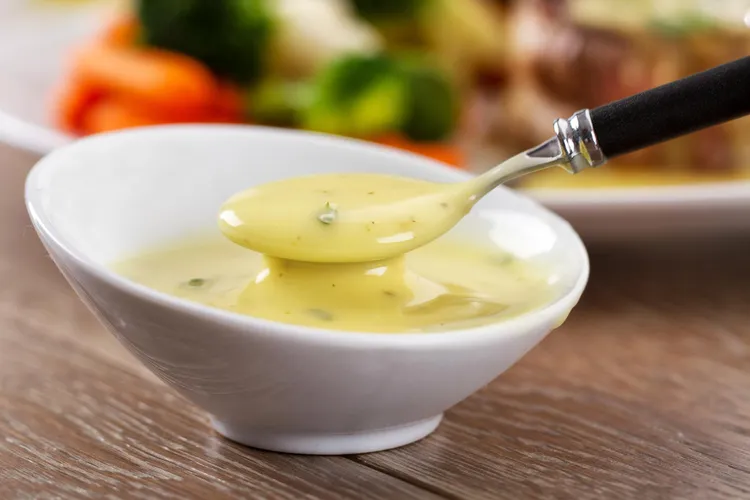
Béarnaise frightens people because it is delicate and it can break. That reputation is fair - it is a warm emulsion made over gentle heat, and carelessness with temperature ruins it. But the technique is learnable in an afternoon, and once it is in your repertoire, a pan of steak on a Tuesday night becomes something worth sitting down for properly.
How Béarnaise Differs from Hollandaise
Béarnaise and hollandaise use the same emulsification technique - egg yolks and fat, held together over heat. The difference is in the flavour base. Hollandaise uses lemon juice as the acid; béarnaise builds its acid from a reduction of white wine, white wine vinegar, shallots and tarragon. That reduction is cooked down to concentrate its flavour before the eggs go anywhere near the pan. The result is more complex, more savoury, and more distinctly French than hollandaise.
The Tarragon Reduction
The reduction is where the flavour of béarnaise actually lives. You are making a small, very intense liquid - a few tablespoons - that carries the shallot, wine and herb character into the finished sauce. Do not rush it or skip it. If you are working without fresh tarragon, dried is a passable substitute for the reduction; use fresh at the end if you can get it, as the raw tarragon added at the finish is what gives béarnaise its characteristic bright anise note.
Béarnaise Sauce
Ingredients
For the reduction:
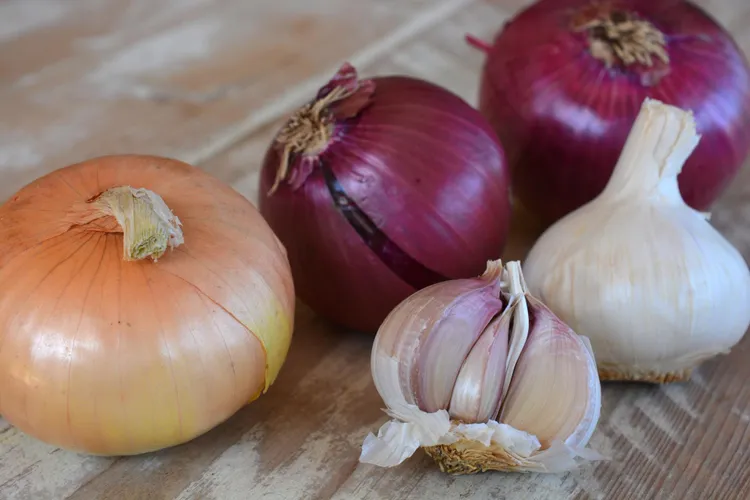
- 2 shallots, finely minced
- 60ml dry white wine
- 60ml white wine vinegar
- 1 tbsp fresh tarragon stalks (or 1 tsp dried)
- 6 black peppercorns, cracked
For the sauce:
- 3 egg yolks
- 150g unsalted butter, clarified (or use whole butter for a less refined version)
- 2 tbsp fresh tarragon leaves, finely chopped
- Salt and white pepper
- Squeeze of lemon juice to finish
Instructions
- Make the reduction: combine the shallots, wine, vinegar, tarragon stalks and peppercorns in a small saucepan. Bring to a simmer over medium heat and reduce until about 2 tbsp of liquid remain. Strain through a fine sieve into a heatproof bowl and allow to cool slightly.
- Clarify the butter: melt the butter in a small pan over low heat. Skim off the white foam from the surface. Pour the clear yellow butter carefully into a jug, leaving the milky white solids behind in the pan. Keep warm.
- Add the egg yolks to the bowl with the cooled reduction. Set the bowl over a saucepan of barely simmering water - the bottom of the bowl must not touch the water. Whisk continuously until the mixture becomes thick, pale and leaves a clear trail when you lift the whisk. This takes 3-5 minutes. If the bowl feels uncomfortably hot to touch, remove it from the heat briefly.
- Remove from the heat and begin adding the warm clarified butter drop by drop, whisking constantly. Once the emulsion is established (after about 30ml), you can add the butter in a thin stream.
- Stir in the chopped fresh tarragon, season with salt and white pepper, and add a small squeeze of lemon to brighten. Taste and adjust.
- Serve immediately, or keep warm by setting the bowl over warm (not hot) water for up to 30 minutes.
Nutrition (per 2 tbsp serving)
- Calories: ~180 kcal
- Fat: 19g
- Carbs: 1g
- Protein: 2g
What to Serve with Béarnaise
The classic pairing is a grilled or pan-seared steak - rib-eye, sirloin or fillet all work. Beyond steak, béarnaise is excellent with roasted lamb, steamed asparagus, poached salmon and fried potatoes. It is an assertive sauce, so the food beneath it should be able to hold its own.
Troubleshooting
If the sauce starts to look grainy or the egg begins to scramble, you have overheated it. Remove it from the heat immediately and whisk in an ice cube or a tablespoon of cold water - this sometimes saves it. If the sauce breaks into an oily mess, start with a fresh yolk in a clean bowl and very slowly whisk the broken sauce into it, as you would with split mayonnaise.
The most important habit: keep the heat low. The eggs should thicken slowly. If the water below is boiling vigorously, reduce it to a gentle simmer.
A Note on Holding and Reheating
Béarnaise does not hold or reheat well. Make it close to serving time, keep it warm over the hot water bath, and plan to use it within an hour. For a full overview of warm and cold emulsion sauces and how they relate to each other, the complete guide to homemade sauces and condiments is a useful reference.