How Long Do Quick Pickles Last (And How to Store Them)
Realistic shelf-life guidance for refrigerated quick pickles, and the signs that tell you a batch has genuinely gone bad rather than just softened.
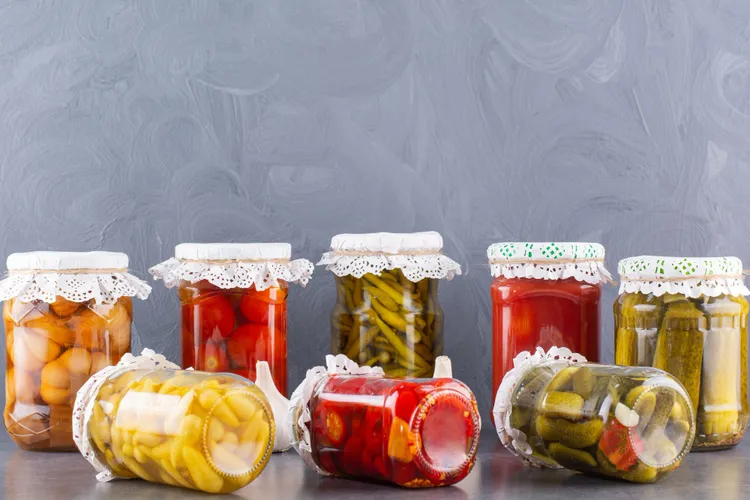
Because quick pickles are refrigerated rather than canned, they don't last indefinitely the way a shelf-stable jar from the grocery store does - understanding realistic timelines helps you use a batch while it's still at its best.
Why Refrigeration Is Necessary
Quick pickles rely on the acidity of vinegar for flavor and some preservation, but without the sealed, processed environment that canning provides, they aren't shelf-stable at room temperature. Refrigeration slows the growth of any bacteria or mold that could otherwise develop, and it's a non-negotiable part of quick pickling done safely - these pickles are meant to live in the fridge, not the pantry.
General Shelf Life by Type
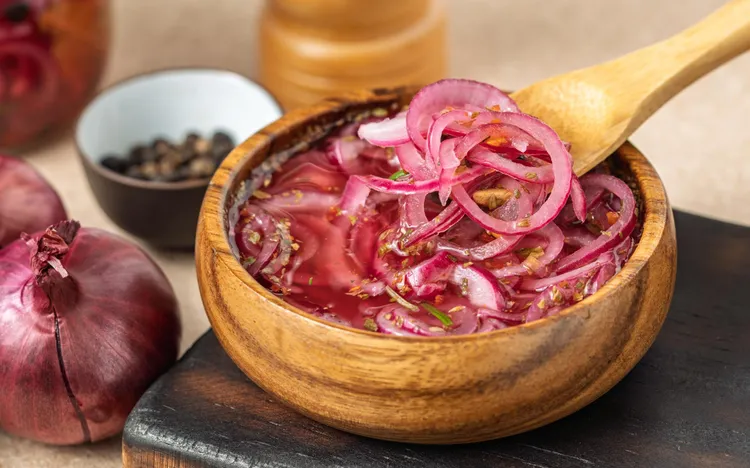
- Thinly sliced vegetables (onions, radishes): About 2 to 3 weeks, since thinner pieces have more surface area exposed and tend to soften faster.
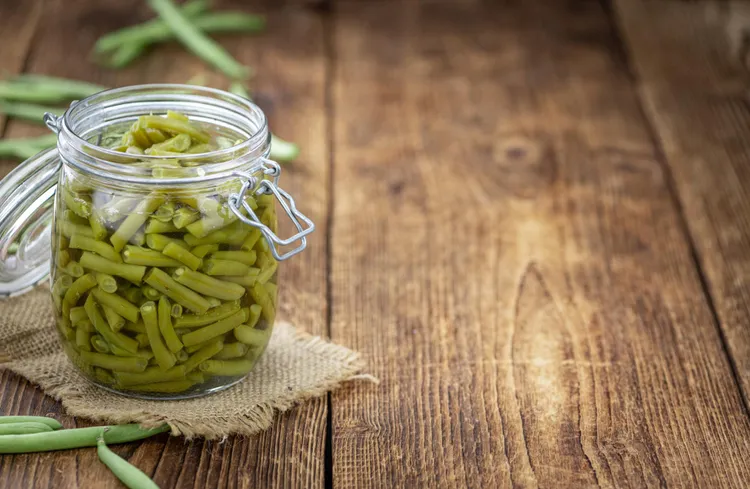
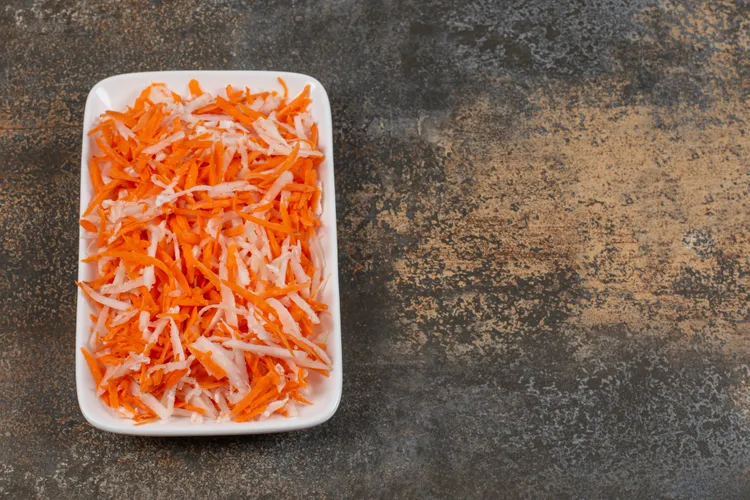
- Sturdier vegetables (carrots, green beans, cucumbers cut into spears): About 1 to 2 months, holding their crunch longer than thinner cuts.
- Pickled eggs: About 1 to 2 months, though texture changes somewhat the longer they sit.
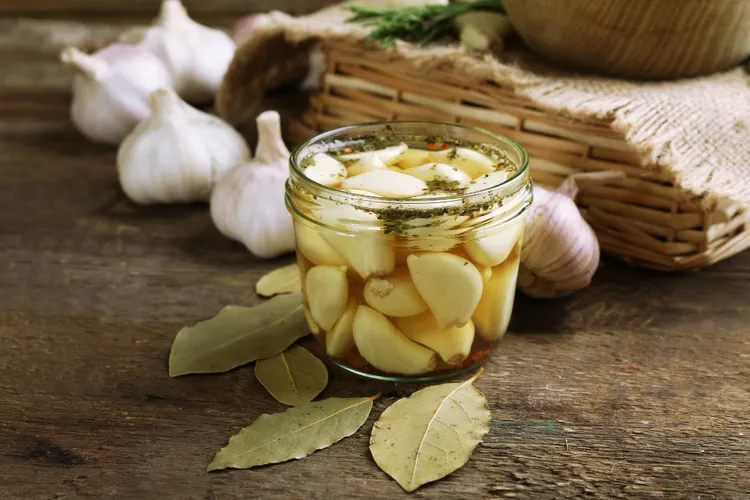
- Pickled garlic: About 2 to 3 months, one of the longer-lasting quick pickles in this guide.
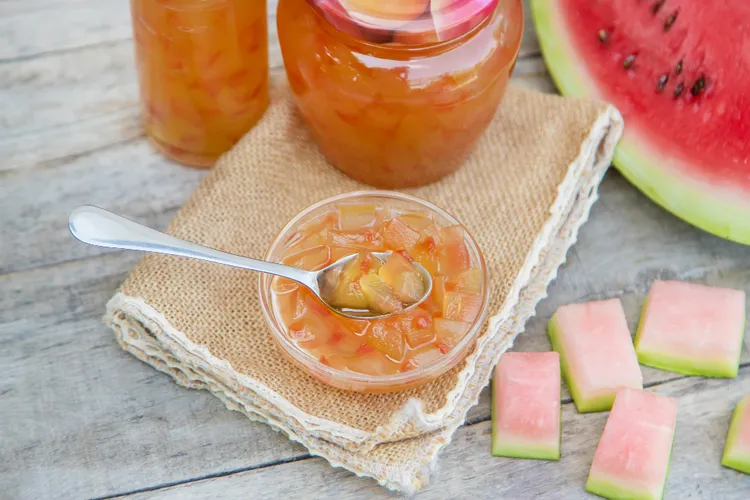
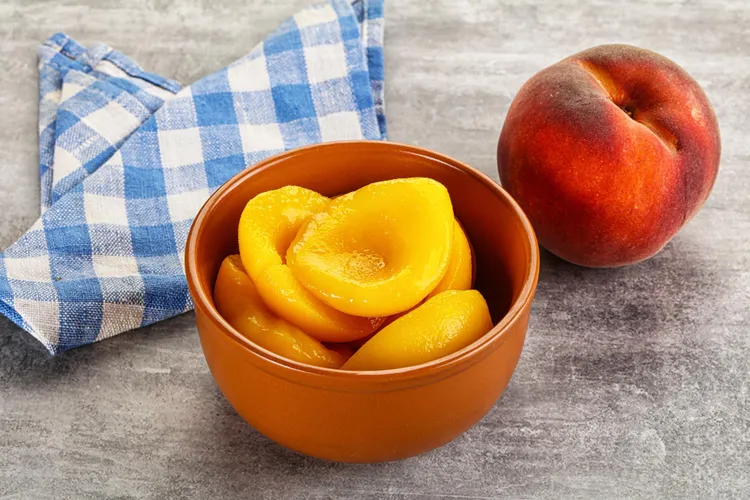
- Pickled fruit: About 2 to 3 weeks, since fruit tends to soften faster than most vegetables.
These are general guidelines rather than fixed rules - always use your own judgment and the signs of spoilage below rather than relying purely on a timeline.
Signs a Batch Has Passed Its Best Point
Quick pickles gradually soften and lose their crisp texture over time even under refrigeration - this isn't necessarily a sign of spoilage, just a natural decline in quality, and a batch that's gone soft is still generally safe to eat, just less appealing texturally. Genuine signs of spoilage to watch for include: visible mold (fuzzy spots on the surface or floating in the brine), a distinctly off or foul smell different from the pickle's normal tangy aroma, or a brine that's turned unusually cloudy or slimy in texture, beyond the normal slight cloudiness some brines develop. If you see any of these signs, discard the batch rather than risk it.
Keeping Vegetables Submerged
Vegetables sitting above the brine's surface, exposed to air, are more prone to developing mold than fully submerged ones. Use a jar sized so the brine fully covers the vegetables, and push down any pieces that float to the surface before sealing and refrigerating.
Using Clean Utensils
Always use a clean fork or tongs to remove pickles from the jar rather than fingers or a utensil that's touched other food, which can introduce bacteria that shorten the batch's safe shelf life.
A Practical Approach
Making smaller batches more often, rather than one very large jar meant to last for months, keeps pickles at their best texture and flavor while staying safely within a reasonable refrigerated shelf life. Given how quick the process is (see our brine ratio guide), this isn't a significant extra effort.
For the full range of recipes to try with this storage guidance in mind, see the complete pickling guide.
Latest