How Much Sage Is Too Much? Getting the Balance Right
Sage's potency compared to other herbs, and how to fix a dish that's gone too far.
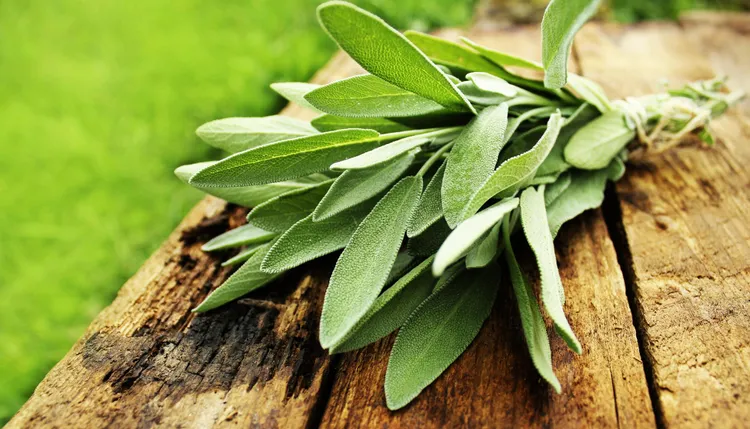
Sage is one of the easiest herbs to overdo, and a dish that's gone too far doesn't just taste "herby," it tastes bitter, medicinal, almost soapy in extreme cases. Knowing sage's relative potency ahead of time prevents most of this.
Why Sage Is So Easy to Overuse
Sage contains a higher concentration of certain aromatic compounds, including thujone, than most common cooking herbs, which is part of why its flavor reads as bold and slightly medicinal at higher concentrations. A quantity of fresh sage that would be entirely reasonable for basil or parsley can already taste overwhelming in the same dish.
A Rough Guide to Relative Potency
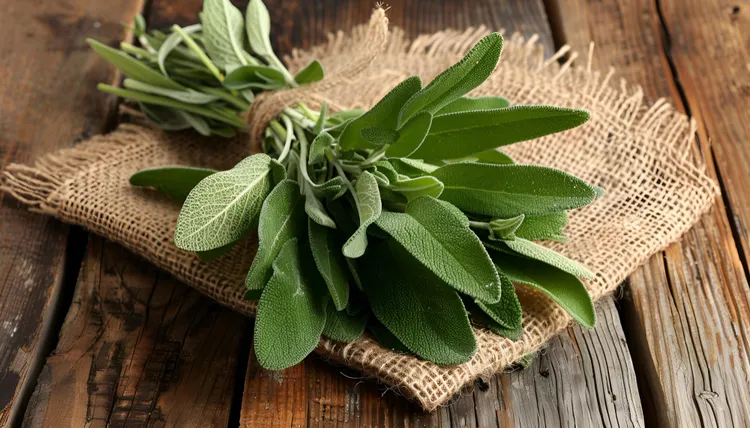
As a general starting point, use roughly half the amount of fresh sage you'd use of a milder herb like basil or parsley for a similarly balanced result, and adjust from there based on the specific dish and your own taste. This is a rough heuristic, not a strict rule, since context (a long-simmered stew versus a quick raw application) changes how much sage's flavor comes through.
Signs a Dish Has Too Much Sage
- A bitter aftertaste that lingers rather than fading
- A flavor that reads as medicinal or reminiscent of cough drops rather than savory
- Other flavors in the dish, garlic, other herbs, the main protein, getting lost behind the sage
Fixing an Over-Sage'd Dish
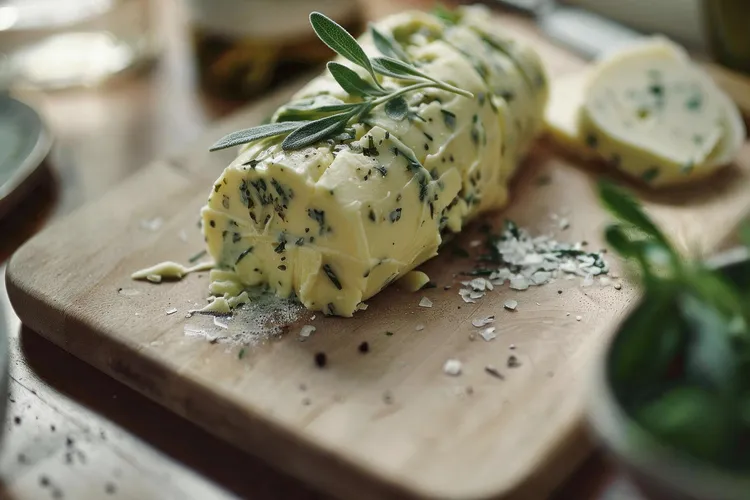
For a soup, stew, or sauce, diluting with additional stock, cream, or the base ingredient (more beans, more squash) can rebalance the ratio without needing to start over. A small amount of added acid, a splash of lemon juice or vinegar, or a touch of sweetness, a pinch of sugar or a bit of honey, can also help mute an overly bitter sage flavor. For a dry rub or a solid dish like stuffing, there's less room to dilute after the fact; adding more of the base ingredient (more bread, more butter without additional sage) is the most reliable fix.
Building Confidence With Sage Over Time
If a recipe consistently turns out too sage-forward, reduce the called-for amount by a third to a half the next time and take notes on what tastes right for your own palate. Sage's potency also varies somewhat by growing conditions and freshness, so the "right" amount for a given bunch isn't always identical to the last one.
Common Mistakes
- Following a fresh sage measurement meant for dried, or vice versa. Dried sage is considerably more concentrated by volume than fresh; mixing these up is a common source of over- or under-seasoning.
- Adding sage at multiple points in a recipe without tracking the total. If a recipe calls for sage in both a rub and a stuffing, for instance, it's easy to lose track of the cumulative amount across the whole meal.
- Tasting only right after adding sage. Sage's flavor, especially in a simmered dish, continues to develop and intensify over time; taste again after a dish has had a few minutes to sit rather than judging immediately.
Frequently Asked Questions
Does cooking sage longer make it milder or stronger?
Generally stronger up to a point, as more of its oils are extracted into the dish, though very prolonged cooking can eventually mellow some of its sharper notes, similar to how a long-simmered stew often tastes different from a quick saute using the same ingredients.
Is fresh or dried sage more likely to be overused accidentally?
Dried, since it's easy to measure a spoonful without accounting for how much more concentrated it is than the equivalent fresh amount; always use less dried sage than the fresh quantity a recipe calls for.
Can I balance too much sage with other herbs instead of diluting the dish?
To a limited degree, milder herbs like parsley added at the end can help round out an overly sage-forward dish, though this works better as a minor adjustment than a full fix for a significantly over-seasoned dish.
Comparing Sage's Potency Across Forms
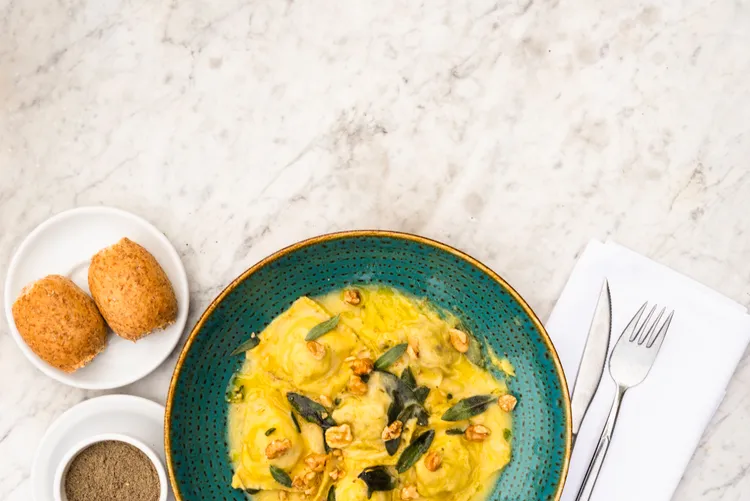
Fresh sage, dried sage, and sage used in a fried or browned-butter technique all read at different intensities even at similar quantities, since heat and moisture both affect how much of its aromatic compounds actually reach the final dish. Dried sage is the most concentrated by volume; a whole-leaf technique like frying or browning delivers a more contained, bite-sized dose of flavor rather than distributing it evenly through a dish, which changes how "too much" actually feels in practice.
Adjusting for Personal Taste Over Time
Palates vary, and some people genuinely enjoy a more assertive sage flavor than others find pleasant. Once a comfortable baseline is established through a bit of trial and error, it's reasonable to nudge recipes up or down from published amounts consistently, rather than treating every recipe's stated quantity as a fixed rule.
Common Mistakes
- Following a fresh sage measurement meant for dried, or vice versa. Dried sage is considerably more concentrated by volume than fresh; mixing these up is a common source of over- or under-seasoning.
- Adding sage at multiple points in a recipe without tracking the total. If a recipe calls for sage in both a rub and a stuffing, for instance, it's easy to lose track of the cumulative amount across the whole meal.
- Tasting only right after adding sage. Sage's flavor, especially in a simmered dish, continues to develop and intensify over time; taste again after a dish has had a few minutes to sit rather than judging immediately.
- Assuming a recipe's stated amount is universally correct. Sage's potency varies by source and freshness; treat a recipe's quantity as a starting point rather than an absolute.
Frequently Asked Questions
Does cooking sage longer make it milder or stronger?
Generally stronger up to a point, as more of its oils are extracted into the dish, though very prolonged cooking can eventually mellow some of its sharper notes, similar to how a long-simmered stew often tastes different from a quick saute using the same ingredients.
Is fresh or dried sage more likely to be overused accidentally?
Dried, since it's easy to measure a spoonful without accounting for how much more concentrated it is than the equivalent fresh amount; always use less dried sage than the fresh quantity a recipe calls for.
Can I balance too much sage with other herbs instead of diluting the dish?
To a limited degree, milder herbs like parsley added at the end can help round out an overly sage-forward dish, though this works better as a minor adjustment than a full fix for a significantly over-seasoned dish.
Is there a way to test a batch's sage potency before committing to a full recipe?
Yes, tasting a small spoonful of just the aromatics mixture, before combining with the bulk of a dish like stuffing or a soup, gives a good early read on whether the sage level feels right before it's mixed into something harder to adjust.
Tips for Success
When in doubt, start with less sage than a recipe calls for, taste, and add more gradually; this is much easier than trying to fix an overpowering dish after the fact, especially on a night that's already part of a planned weekly meal plan. See Sage Substitutes if a dish needs rescuing and swapping in a milder herb feels like the more practical fix.
Latest