Sage Substitutes: What to Use When You're Out
What actually stands in for sage's flavor in a pinch, and which common substitutes don't work well.
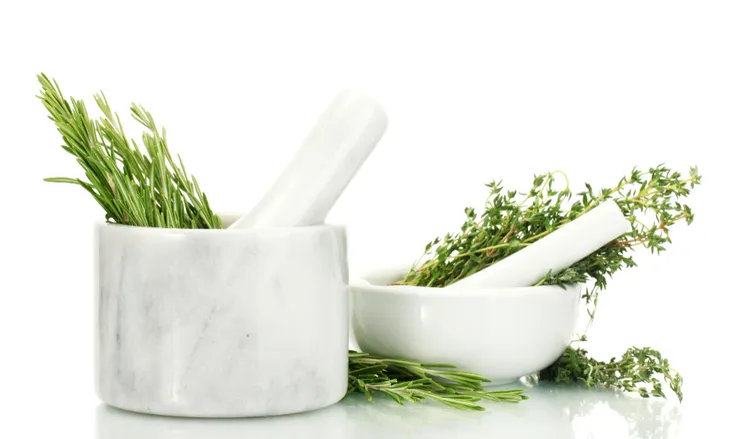
Sage's flavor, bold, slightly bitter, resinous, isn't easy to replicate exactly, but a few common substitutes come reasonably close depending on the dish, while others fall flat despite being suggested online.
Best Substitute: Rosemary (in Smaller Amounts)
Rosemary shares some of sage's woody, resinous character, though it's more piney and less bitter. Use about half the amount of rosemary as the sage called for, since rosemary's flavor is also quite strong and can otherwise overwhelm a dish in its own way. This substitution works best in roasted meats, stuffing, and other heartier applications where sage's role is providing a bold, savory backbone.
Good in a Pinch: Thyme
Thyme is milder and doesn't have sage's specific bitterness, but it shares enough of the same herbaceous, slightly earthy family resemblance to work as a substitute in soups, stews, and roasted dishes. Use roughly the same amount of fresh thyme as the sage called for, since thyme is generally less potent than sage.
Works for Some Applications: Poultry Seasoning Blend
Most commercial poultry seasoning blends already contain sage as a primary ingredient alongside thyme, marjoram, and other herbs, making the blend itself a reasonable substitute in recipes where sage's specific flavor was going to be one part of a broader herb profile anyway, like stuffing or a roast rub. This won't work as well in a dish where sage is meant to stand alone, like the crispy fried sage leaf garnish.
Doesn't Work Well: Basil or Oregano
Despite sometimes appearing on generic substitute lists, both basil and oregano have flavor profiles too far removed from sage's bitter, resinous character to work as a convincing substitute. Basil is sweet and peppery; oregano is pungent but in a different, more Mediterranean-tomato-forward direction. Neither delivers the flavor a recipe is actually looking for when it calls for sage specifically.
Choosing a Substitute Based on the Dish
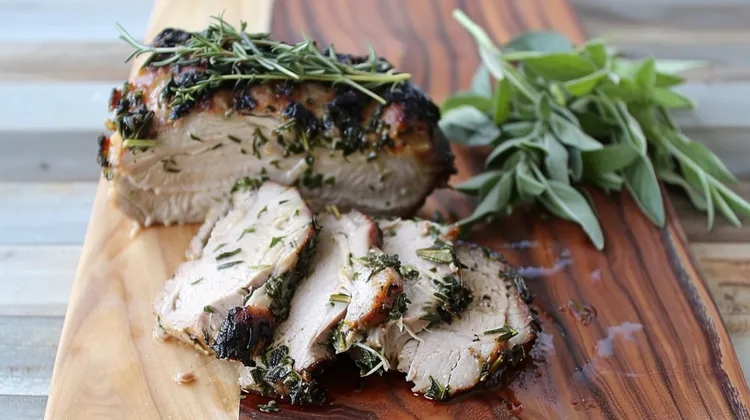
- Roasted poultry or pork: rosemary (reduced amount) or a poultry seasoning blend
- Stuffing or dressing: a poultry seasoning blend, since it's designed for exactly this application
- Soup or stew: thyme, used at a similar quantity to what sage was called for
- Brown butter sauce or fried leaf garnish: no great substitute exists; these techniques rely specifically on sage's texture and flavor, and are better postponed until fresh sage is available
Common Mistakes
- Substituting at a 1:1 ratio regardless of the herb's relative strength. Rosemary in particular is strong enough that a direct swap can overwhelm a dish; scale it back.
- Using a substitute in a dish where sage's specific texture matters. Crispy fried sage leaves and whole-leaf brown butter sauce don't have a good substitute, since the technique depends on sage's particular leaf structure as much as its flavor.
- Assuming all "Italian herb" substitutes are interchangeable. Basil and oregano, despite being common Italian-cooking herbs, don't share sage's flavor profile and shouldn't be assumed to work as substitutes just because they're in the same general culinary category.
Frequently Asked Questions
Can dried sage substitute for fresh, or vice versa?
Yes, this is the most direct substitution available; use about a third the amount of dried sage in place of fresh, or triple a dried measurement if substituting fresh. See How Much Sage Is Too Much? for more on getting this ratio right.
Is there a good substitute for sage tea specifically?
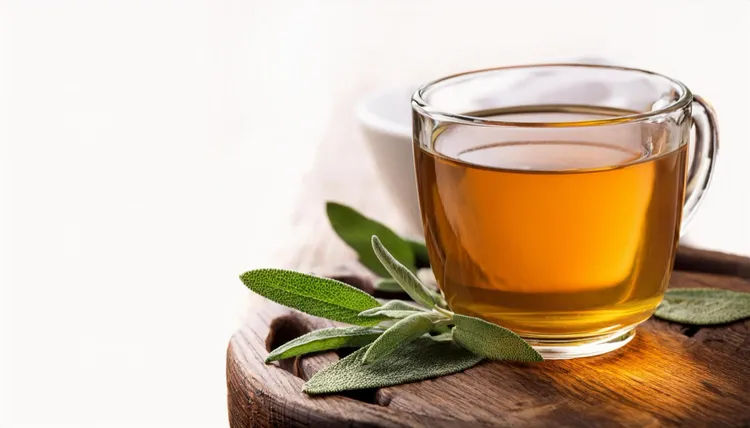
Not really; sage tea's specific flavor doesn't translate well to other herbal teas. If sage tea specifically isn't available, a different herbal tea entirely, rather than a substitute meant to mimic sage, is the more satisfying choice.
What if a recipe needs sage's texture, not just its flavor, like for frying?
There isn't a good substitute for this specific use; see Crispy Fried Sage Leaves, which really does depend on fresh sage leaves specifically.
Considering the Dish's Cooking Method When Choosing a Substitute
A substitute that works well in a long-simmered stew may not translate the same way to a quick saute or a raw application, since cooking time changes how much of an herb's flavor actually develops. When substituting, think about not just which herb is closest in flavor family, but whether the dish's cooking method will let that substitute's flavor come through the way the original sage would have.
Building a Custom Blend to Approximate Sage
For a closer approximation than any single substitute alone, a small blend of rosemary, thyme, and a tiny pinch of black pepper can approximate some of sage's complexity better than any one herb on its own, since it combines the woody resinous note from rosemary with thyme's earthiness and a bit of the sharpness pepper contributes. This isn't identical to sage, but it's a reasonable stand-in for dishes where sage was playing a supporting rather than starring role.
Common Mistakes
- Substituting at a 1:1 ratio regardless of the herb's relative strength. Rosemary in particular is strong enough that a direct swap can overwhelm a dish; scale it back.
- Using a substitute in a dish where sage's specific texture matters. Crispy fried sage leaves and whole-leaf brown butter sauce don't have a good substitute, since the technique depends on sage's particular leaf structure as much as its flavor.
- Assuming all "Italian herb" substitutes are interchangeable. Basil and oregano, despite being common Italian-cooking herbs, don't share sage's flavor profile and shouldn't be assumed to work as substitutes just because they're in the same general culinary category.
- Giving up on a dish rather than adjusting other seasonings. A substitute won't taste identical to sage, but adjusting salt, acid, or other herbs slightly to compensate can still produce a satisfying result even if it's not a perfect match.
Frequently Asked Questions
Can dried sage substitute for fresh, or vice versa?
Yes, this is the most direct substitution available; use about a third the amount of dried sage in place of fresh, or triple a dried measurement if substituting fresh. See How Much Sage Is Too Much? for more on getting this ratio right.
Is there a good substitute for sage tea specifically?
Not really; sage tea's specific flavor doesn't translate well to other herbal teas. If sage tea specifically isn't available, a different herbal tea entirely, rather than a substitute meant to mimic sage, is the more satisfying choice.
What if a recipe needs sage's texture, not just its flavor, like for frying?
There isn't a good substitute for this specific use; see Crispy Fried Sage Leaves, which really does depend on fresh sage leaves specifically.
Is ground sage the same thing as rubbed sage sold in stores?
Not quite; rubbed sage is a fluffier, more finely textured dried form made by rubbing the dried leaves through a screen, while ground sage is more finely powdered. Both work similarly as substitutes for each other in most recipes, though rubbed sage is generally considered a bit fresher-tasting.
Tips for Success
Keep a small jar of dried sage on hand even if fresh is the usual preference, since it solves most last-minute substitute situations more reliably than reaching for a different herb entirely. Planning a grocery list around a recipe that specifically calls for sage, rather than assuming a substitute will be close enough, gives the most reliable result for dishes where sage plays a starring role in a planned meal plan.
Latest