How to Dry Sage at Home (and Why It's Easy)
Sage dries more reliably than most herbs. Compare air-drying, oven-drying, and bundle methods.
Sage is a forgiving herb to dry, more so than delicate herbs like basil or dill, since its leaves are naturally thicker and its essential oils more concentrated and heat-stable. Dried sage is a genuinely useful pantry staple, not a lesser substitute for fresh.
Why Sage Dries So Well
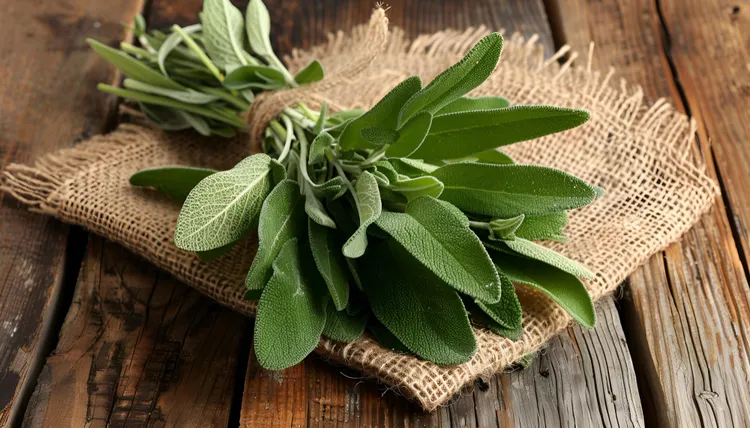
Sage's slightly fuzzy, thick leaves have a lower water content relative to their surface area compared to a leaf like basil, meaning there's simply less moisture to remove and less delicate tissue to damage in the process. Its aromatic compounds are also more stable under heat and time than the more volatile oils in a soft herb, which is why dried sage retains a robust, recognizable flavor rather than fading into blandness the way dried basil often does.
Method 1: Bundle Air Drying
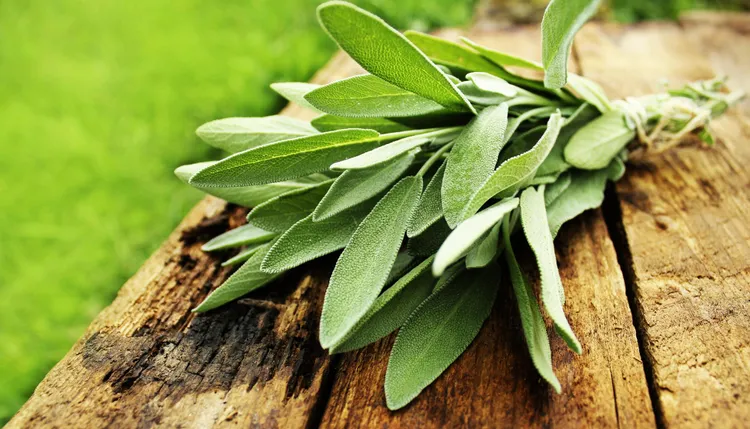
Gather 4 to 6 stems into a small bundle and secure with string or a rubber band, then hang upside down in a warm, dry, well-ventilated spot out of direct sunlight. Sage typically air-dries in 1 to 2 weeks, similar to or slightly faster than basil, and its thicker leaves are less prone to the mold issues that can affect more delicate herbs during a slow air-dry.
Method 2: Oven Drying
Set the oven to its lowest setting, ideally under 170°F (77°C), and spread whole leaves in a single layer on a parchment-lined baking sheet. Prop the door open slightly to let moisture escape. Sage typically takes 1 to 2 hours in the oven, checking every 20 to 30 minutes. Its sturdier leaf structure makes it more forgiving of a slightly uneven oven temperature than a delicate herb would be.
Method 3: Dehydrator
Arrange leaves in a single layer on dehydrator trays at a low herb setting, around 95 to 115°F (35 to 46°C). Sage typically finishes in 2 to 4 hours. This method gives the most consistent results and is worth using if drying a large batch at once, though sage is forgiving enough that all three methods here produce solid results.
Method Comparison
- Bundle air drying: 1 to 2 weeks, no equipment, minimal flavor loss given sage's sturdier composition
- Oven drying: 1 to 2 hours, more forgiving of minor temperature variation than delicate herbs
- Dehydrator: 2 to 4 hours, most consistent, best for larger batches
Storing Dried Sage
Once fully dry and cooled, crumble by hand or leave whole and crush before use. Store in an airtight container away from light and heat. Properly dried sage holds good flavor for 1 to 2 years, notably longer than a more delicate dried herb like basil or dill, reflecting its naturally more stable aromatic profile.
Common Mistakes
- Assuming sage needs the same careful handling as basil. Sage is considerably more forgiving; there's less need to worry about scorching or rapid flavor loss compared to more delicate herbs.
- Drying in direct sunlight. Even though sage is more heat-stable than other herbs, direct sun still fades color and can degrade flavor over a longer drying period.
- Storing before fully dry. Sage's thicker leaves can retain hidden moisture in the leaf's center vein; check that this area crumbles as easily as the rest of the leaf before storing.
Frequently Asked Questions
Is dried sage as good as fresh in recipes?
In many applications, yes, more so than with delicate herbs. Dried sage works well in stuffing, roasted meats, and long-simmered dishes; fresh is still preferable for a crisp fried-leaf garnish or where visual appeal matters.
How much dried sage should I use in place of fresh?
About a third of the fresh amount is a reasonable starting point, though sage's potency means it's worth starting even more conservatively than that and adjusting to taste; see How Much Sage Is Too Much? for more on this.
Can I dry sage flowers too?
Yes, sage flowers are edible and can be dried similarly, though they're used more for garnish and mild flavoring than as a primary seasoning ingredient.
Knowing When Sage Is Fully Dry
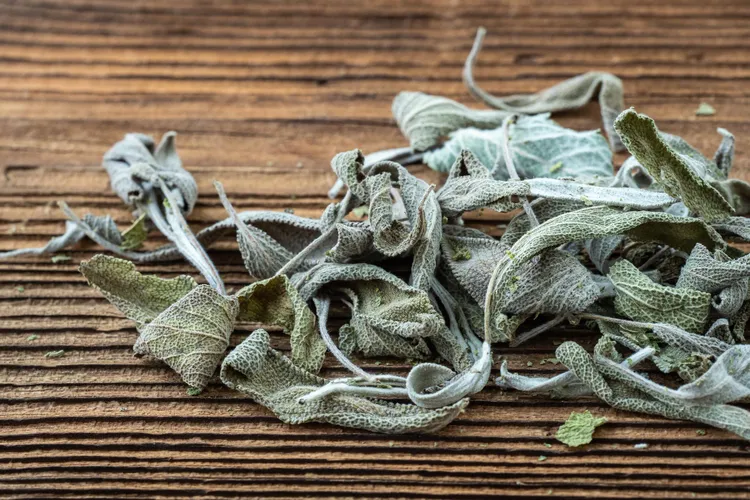
The crumble test applies here too: a properly dried sage leaf should snap or crumble easily rather than bending. Because sage leaves are thicker than a delicate herb's, pay particular attention to the central vein, which can retain moisture even after the rest of the leaf feels dry. Press a leaf's center between your fingers as a final check before storing a batch.
Drying a Large Harvest at Once
Because sage keeps its flavor so well once dried, it's often worth drying a larger batch in one session rather than doing it piecemeal through the season. If using the dehydrator or oven method for a big batch, work in stages rather than overcrowding trays, since sage leaves need airflow around them on all sides to dry evenly and avoid any pockets of trapped moisture.
Common Mistakes
- Assuming sage needs the same careful handling as basil. Sage is considerably more forgiving; there's less need to worry about scorching or rapid flavor loss compared to more delicate herbs.
- Drying in direct sunlight. Even though sage is more heat-stable than other herbs, direct sun still fades color and can degrade flavor over a longer drying period.
- Storing before fully dry. Sage's thicker leaves can retain hidden moisture in the leaf's center vein; check that this area crumbles as easily as the rest of the leaf before storing.
- Overcrowding trays or bundles. Leaves that touch each other trap moisture between them and can dry unevenly, even though sage is generally more forgiving of this than a delicate herb.
Frequently Asked Questions
Is dried sage as good as fresh in recipes?
In many applications, yes, more so than with delicate herbs. Dried sage works well in stuffing, roasted meats, and long-simmered dishes; fresh is still preferable for a crisp fried-leaf garnish or where visual appeal matters.
How much dried sage should I use in place of fresh?
About a third of the fresh amount is a reasonable starting point, though sage's potency means it's worth starting even more conservatively than that and adjusting to taste; see How Much Sage Is Too Much? for more on this.
Can I dry sage flowers too?
Yes, sage flowers are edible and can be dried similarly, though they're used more for garnish and mild flavoring than as a primary seasoning ingredient.
Does dried sage need to be refrigerated?
No, properly dried sage stored in an airtight container keeps well at room temperature in a cabinet away from heat and light; refrigeration isn't necessary and doesn't meaningfully extend its already long shelf life.
Tips for Success
Because dried sage holds its flavor for so long, it's worth drying a full harvest at once rather than doing it in small batches throughout the season. Working a sage-drying session into a broader kitchen and meal plan, timed around a bigger harvest, makes efficient use of the time involved.
Latest