How to Build a Sauce That Looks Like a Restaurant Plated It
Pan sauces are made from what's already in the pan after you cook a protein - the fond, the fat, the heat. Knowing how to build them properly is the single technique that most reliably closes the gap between home cooking and restaurant cooking.
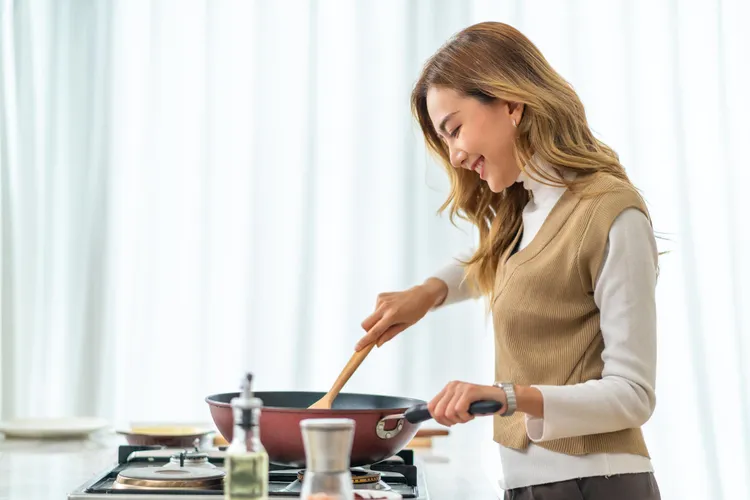
Every great pan sauce starts with the same thing: fond. Those brown bits stuck to the bottom of the pan after you've seared a protein aren't burnt residue - they're concentrated flavour, the result of Maillard reaction between proteins and the pan surface. The entire art of the pan sauce is about dissolving them into a liquid and then building something balanced and glossy from that base.
The Three Types of Pan Sauce
Most pan sauces fall into one of three categories, each with a slightly different technique but the same underlying logic.
Reductions: Liquid added to the pan and reduced by heat until syrupy. The simplest version - add wine, scrape up fond, cook until almost evaporated, add stock, reduce again. Used for rich, intense sauces.
Mounted butter sauces (beurre monté): A reduction finished with cold butter whisked in off the heat. The cold butter emulsifies into the hot liquid, creating a glossy, velvety sauce. This is what restaurants mean when they say "finished with butter."
Jus: A lighter, more transparent sauce made from concentrated stock, sometimes with wine or aromatics. Lower fat content than a mounted butter sauce, more delicate in flavour. Used for dishes where you want the protein to be the dominant flavour.
The Method: Step by Step
This applies to any protein - chicken, fish, steak, pork chop. The pan must be the same one you cooked in. Starting fresh loses all the fond.
- Rest the protein and pour off excess fat. Leave about 1 tablespoon in the pan. Too much fat and the sauce will be greasy; too little and the aromatics will stick.
- Soften aromatics. Shallots are the standard. Two minutes over medium heat until translucent. Garlic goes in after - 30 seconds. Fresh thyme or rosemary can go in now too.
- Deglaze. Add your liquid - wine, vermouth, cider, stock - and use a wooden spoon to dissolve all the fond from the bottom of the pan. This is where most of the flavour comes from. Don't skip the scraping.
- Reduce. Let the deglazing liquid reduce by at least half. For wine or vermouth, you want the alcohol to cook off - which takes 2-3 minutes on a proper simmer.
- Add stock. Pour in stock and reduce again until slightly syrupy - it should coat a spoon. This is your base sauce.
- Mount with butter (if using). Remove from heat. Add cold butter in small cubes, swirling the pan constantly rather than stirring. The emulsification happens as the cold fat hits the hot liquid. Keep the pan moving. If the sauce looks greasy or splits, it's too hot - cool it slightly and try again.
- Season, strain (optional), serve immediately. Taste for salt and acid. A few drops of lemon juice or sherry vinegar at the end brightens everything. Serve within 2 minutes - held sauce deteriorates quickly.
Deglazing Liquids
The deglazing liquid defines the sauce's character more than anything else. Some options and what they produce:
- Dry white wine: Clean, acidic, versatile. Works with fish, chicken, pork. Reduces to a neutral, bright base.
- Dry vermouth: Slightly more complex than white wine with herbal notes. A good pantry substitute and very stable for cooking.
- Red wine: Rich, tannic, best with beef or lamb. Reduce it aggressively before adding stock.
- Cider (dry): Works well with pork and chicken. Slightly sweet base that needs good acid balance at the end.
- Cognac or brandy: Used in classic French sauces. Flambé or simmer hard to cook off the alcohol before adding stock.
On the role of wine in cooking more broadly - when to use it, what to buy, what you can substitute - the article on cooking with white wine at home covers it in detail.
The Mount: Why Cold Butter Matters
Butter is an emulsion - water and fat held together by milk proteins. When you add cold butter to a hot liquid and keep moving, you're extending that emulsion into the sauce. The temperature differential is what makes this work. If the sauce is boiling when you add butter, the emulsion breaks instantly and you get a greasy puddle. Off the heat, or on very low heat, swirling rather than stirring - that's the technique.
The quantity of butter determines the richness. Restaurant sauces typically use more than you'd expect - 30-50g for a single-portion sauce is not unusual. Scale to taste.
Fixing a Broken Sauce
A broken sauce (greasy, separated) usually means too much heat during the butter mount, or butter added too quickly. Fix: remove from heat, add a tablespoon of cold water or cold stock, and whisk vigorously. The cold water helps re-emulsify. Works about 70% of the time. If it's completely broken, strain out the solids, reduce the liquid slightly, and start the mount again with fresh butter.
The Simplest Version Worth Knowing
Shallot and white wine pan sauce: two shallots (finely diced), 100ml dry white wine, 100ml chicken stock, 25g cold butter, thyme. Soften shallots, deglaze with wine, reduce by half, add stock, reduce until syrupy, mount with butter. Finish with thyme. This takes eight minutes and works with almost any protein. It's the foundation sauce - once you have it, variations are just substitutions.
For a complete guide to building meals around these techniques, the quiet luxury cooking guide covers the full philosophy alongside ten worked recipes.
Pan Sauce for Fish
Fish pan sauces follow the same logic but require more care because fish fond is more delicate and can turn bitter if burned. Sole, sea bass, and halibut leave excellent fond. Salmon is less reliable - its fat renders heavily and can make the sauce greasy if not managed carefully.
After cooking the fish, pour off most of the fat (leave a teaspoon). Add a shallot, soften 90 seconds - no longer. Deglaze with dry white wine or dry vermouth, scraping the fond. Reduce by two-thirds. Add 100ml fish stock or light chicken stock. Reduce to a light glaze. Mount with cold butter as usual. Finish with a few drops of lemon juice and a single herb - chervil, tarragon, or chives work well with fish. The whole process takes 6-8 minutes and produces a sauce that elevates even a simply cooked piece of fish into something that feels restaurant-quality.
For a classic version pairing crispy-skinned fish with a butter sauce, see the fish technique guide on how to cook fish perfectly - the sauce method described there follows this exact template.
Pan Sauce for Vegetables
Roasted vegetables, particularly hearty ones like cauliflower, celeriac, and squash, can anchor a pan sauce in exactly the same way a protein does. Roast the vegetable at high heat until well coloured on one side, remove it from the pan, then build the sauce in the residual fat with the fond. The same deglaze-reduce-mount process applies. Vegetarian pan sauces work best with vegetable stock or a good mushroom stock (dried porcini steeped in hot water for 20 minutes), which has the depth that most vegetable stocks lack.
Storage and Make-Ahead
Pan sauces are made to order by definition - they depend on the fond from the just-cooked protein and need to be served within minutes of finishing. However, the reduction base (the wine and stock reduced, before the butter mount) can be made ahead and refrigerated for up to two days. Reheat gently, then mount with butter to order. This is how restaurant pass cooking works during service - the base sauces are prepared during mise en place, mounted to order. For dinner parties, it's a practical approach: all the time-consuming reduction work is done in advance, the final sauce takes 3 minutes to complete per order.
When the Sauce Is the Point
There's a specific subset of quiet luxury cooking where the sauce isn't a supporting element - it's the main event. Butter sauces (beurre blanc, beurre rouge) served with simply poached or steamed fish are the clearest example: the fish exists as a vehicle for the sauce. Building this kind of sauce requires more precision than a pan sauce variant - a beurre blanc has no fond to anchor it and no stock for body, just a wine and vinegar reduction mounted with a disproportionate quantity of butter. The technique is the same but the ratio of butter to reduction is higher (sometimes 8:1 by weight) and the emulsification is more precarious. Getting it right is one of the most satisfying technical accomplishments in classical French cooking.
The broader context for sauces within quiet luxury cooking - and why they're the most reliable marker of cooking confidence - is covered in the full guide to quiet luxury cooking.
Classic Pan Sauce Formulas Worth Memorising
Five classic combinations that cover most eventualities. Each follows the same structural logic but produces a distinct result.
Dijon and white wine (for chicken or pork): Shallot, white wine, chicken stock, 1 tsp Dijon, cold butter, fresh tarragon. The Dijon emulsifies into the sauce as you mount the butter, adding body and a subtle mustard note without bitterness.
Red wine reduction (for beef or lamb): Shallot, garlic, 100ml red wine (reduce to near-dry before adding stock), 150ml dark stock, thyme, cold butter. Reduce aggressively - red wine pan sauces are meant to be intensely flavoured and used sparingly.
Cider and cream (for pork): Shallot, dry cider, chicken stock, 2 tbsp double cream, fresh thyme. Add cream before the butter mount - it stabilises the sauce and adds body. Reduce slightly after the cream addition before mounting with butter.
Lemon and caper (for fish): Shallot, dry vermouth, fish stock, capers (roughly chopped), cold butter, flat-leaf parsley, lemon juice at the very end. Brighter and more acidic than a standard pan sauce - designed to cut through the richness of butter-basted fish.
Mushroom and Madeira (for beef or veal): Shallot, sliced chestnut mushrooms (cooked until golden before the sauce builds), Madeira or dry sherry, dark stock, cold butter. The Madeira adds a distinctive nutty sweetness. A classic brasserie combination.
Building Depth Without Fond: The Sauce Base
Sometimes you want a sauce style but don't have fond to work with - for a vegetarian dish, for poached protein, or for a sauce made independently. The technique shifts from deglaze to reduction-from-scratch. Start by deeply caramelising the aromatics (shallot, onion, or leek) until they're a rich golden-brown - 12-15 minutes over medium-low heat. This creates Maillard products in the vegetable rather than the pan, building the same type of flavour compounds you'd get from fond. Add wine, reduce, add stock, reduce, mount with butter. The result lacks the specific complexity of a proper fond-based sauce but produces a well-developed reduction that holds its own.
The understanding of what fond contributes - and how to build equivalent depth without it - is part of what separates an intuitive cook from one who can only follow recipes. For the complete framework of techniques that build this kind of intuition, the quiet luxury cooking guide covers each building block in context.
Acid Finishing and Balance
The moment a pan sauce is mounted and off the heat is the moment to taste critically for balance. Most pan sauces need a small acid addition at the end - not because they're too rich, but because the reduction concentrates all flavours including any bitterness or heaviness, and acid is what restores the sense of lift and brightness. Half a teaspoon of lemon juice or good sherry vinegar, added off the heat after the butter mount, transforms a technically correct sauce into one that tastes alive.
The acid also stabilises the emulsion slightly - the slight drop in pH that lemon juice or vinegar creates makes the butter-water interface more stable and reduces the chance of the sauce breaking if it sits for a few minutes before serving. This is why restaurant pan sauces that are held briefly in a bain-marie at service maintain their glossy emulsified quality rather than breaking.
Scaling Pan Sauces for Entertaining
The standard pan sauce is made in the pan used to cook one to two portions of protein. For four to six portions, the pan doesn't scale as naturally - you need a larger reduction vessel and proportionally more fond. The solution: sear protein in batches (which produces more fond across multiple pans or multiple cooks in the same pan), deglaze each batch with a small amount of wine and add to a central reduction pot, then build the sauce in that pot. The result is a large-batch pan sauce with the same flavour intensity as a single-portion version.
Alternatively, reduce the sauce base (wine and stock) entirely ahead of time - during afternoon prep - and mount individual portions to order at service. This is exactly how restaurant kitchens operate during service and it's the most practical approach for dinner party cooking where timing is critical. The quiet luxury cooking guide shows these techniques applied across the full range of its recipes.
Latest